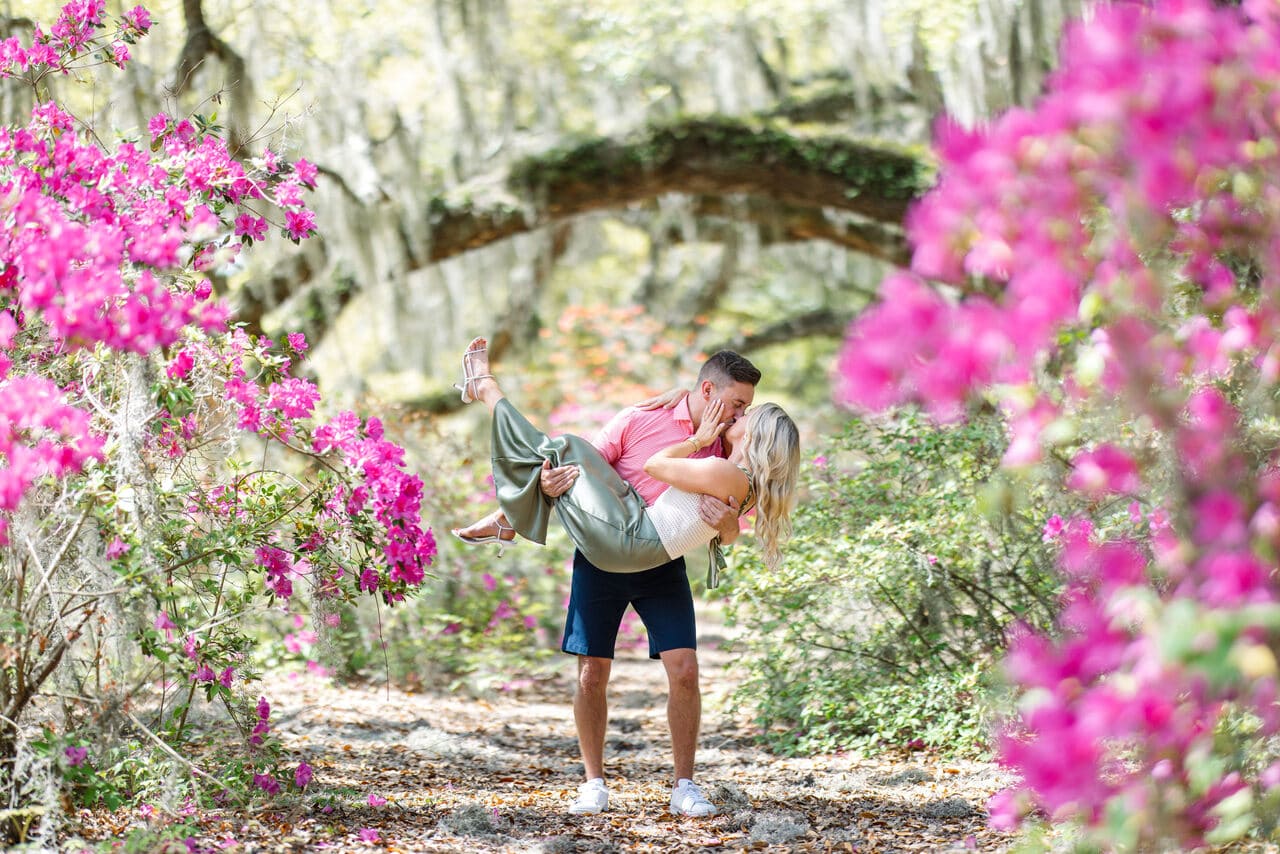
There’s a reason Charleston earns its nickname “The Holy City”—and it’s not just the church steeples piercing the sky. From November through October, this Lowcountry gem offers a nearly year-round floral spectacle that transforms cobblestone streets, historic gardens, and live oak canopies into living canvases. Seasoned professional photographers in Charleston, South Carolina, have learned that timing is everything when chasing the perfect bloom. Let me guide you through our city’s floral calendar month by month, so you can plan shoots that capture Charleston at its most vibrant.
Understanding Charleston’s Growing Climate
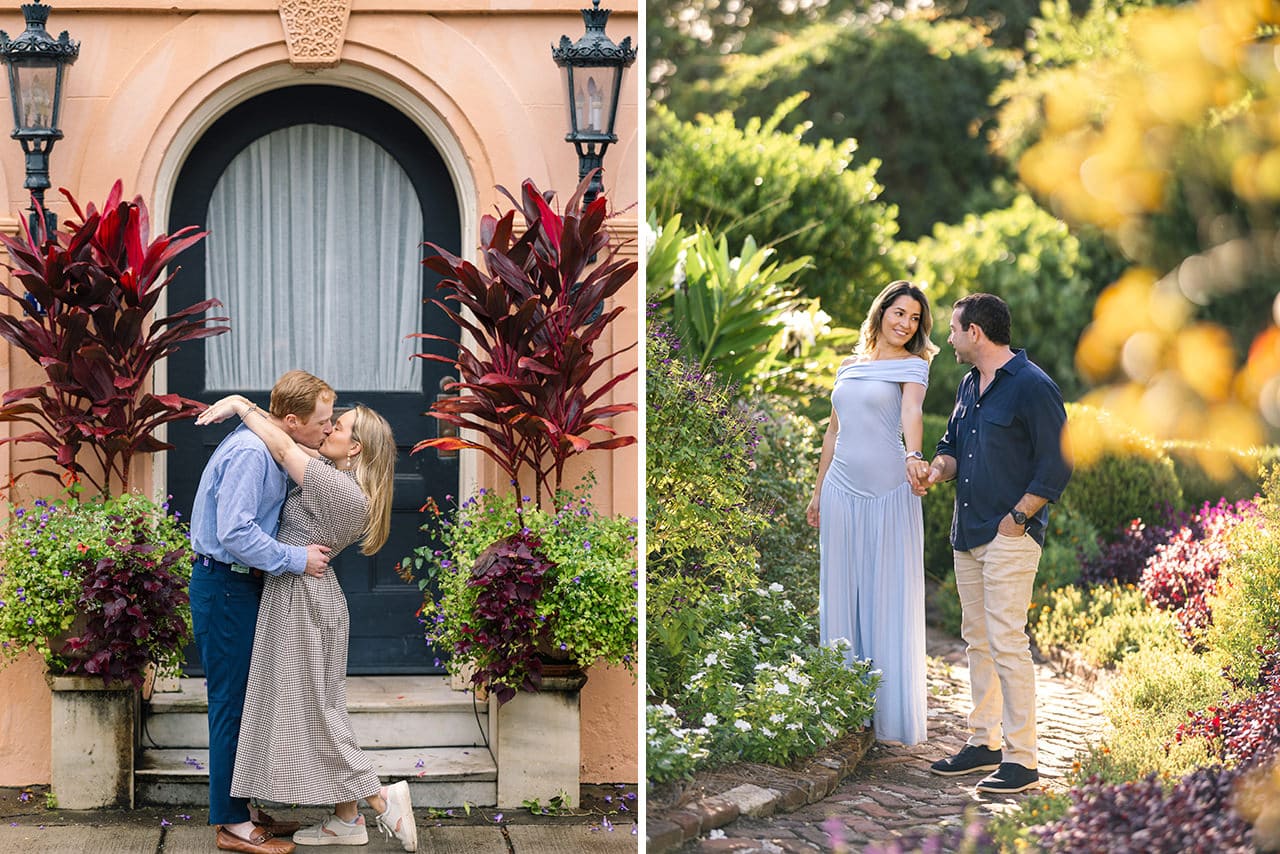
Before we dive into the monthly breakdown, it helps to understand why Charleston blooms so spectacularly. We sit along the Atlantic coast, enjoying mild winters where frost is infrequent and brief. Our subtropical latitude combined with oceanic influence creates a humid climate with hot summers and gentle winters—perfect conditions for an extended growing season. This means while northern gardens sleep under snow, ours are often bursting with color. The trade-off? Bloom windows can be surprisingly short and weather-dependent. A warm February might push Charleston azalea season into early March; a cool spring could delay them until mid-April. Knowing the best time to book a Charleston proposal photographer—typically 3–4 months ahead for peak bloom seasons—ensures you’ll secure a pro who understands these nuances. Flexibility and local knowledge become your greatest assets behind the lens.
Winter Blooms: November Through February
November–December: Camellia Sasanqua Season
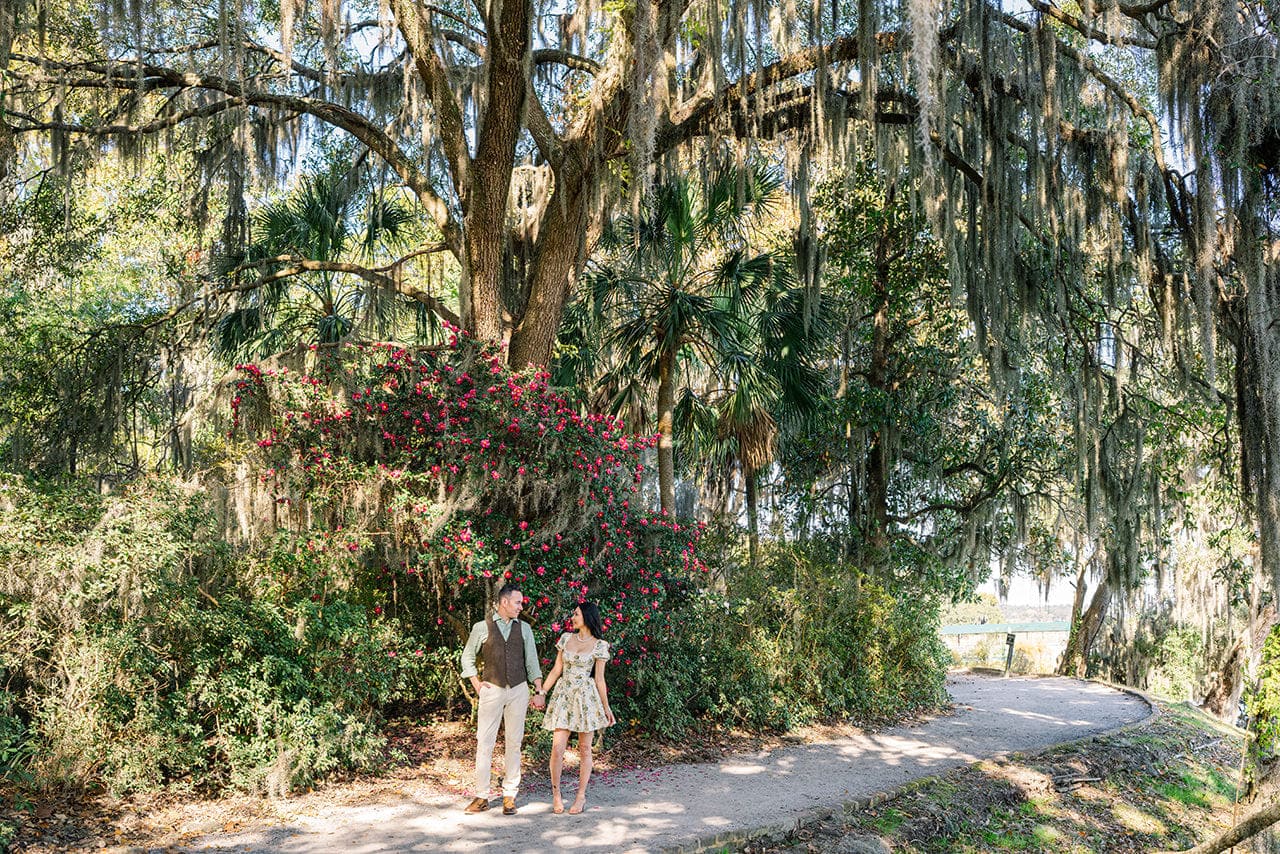
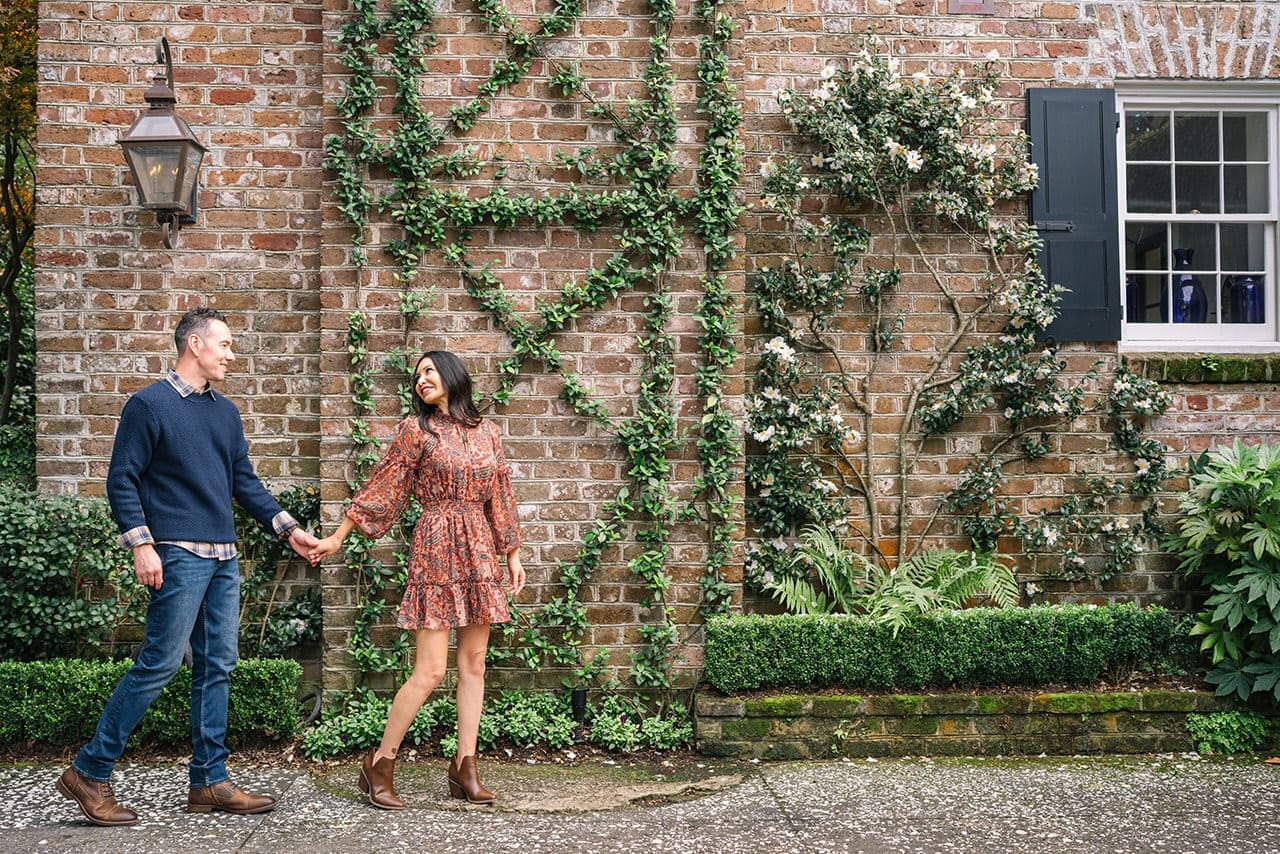
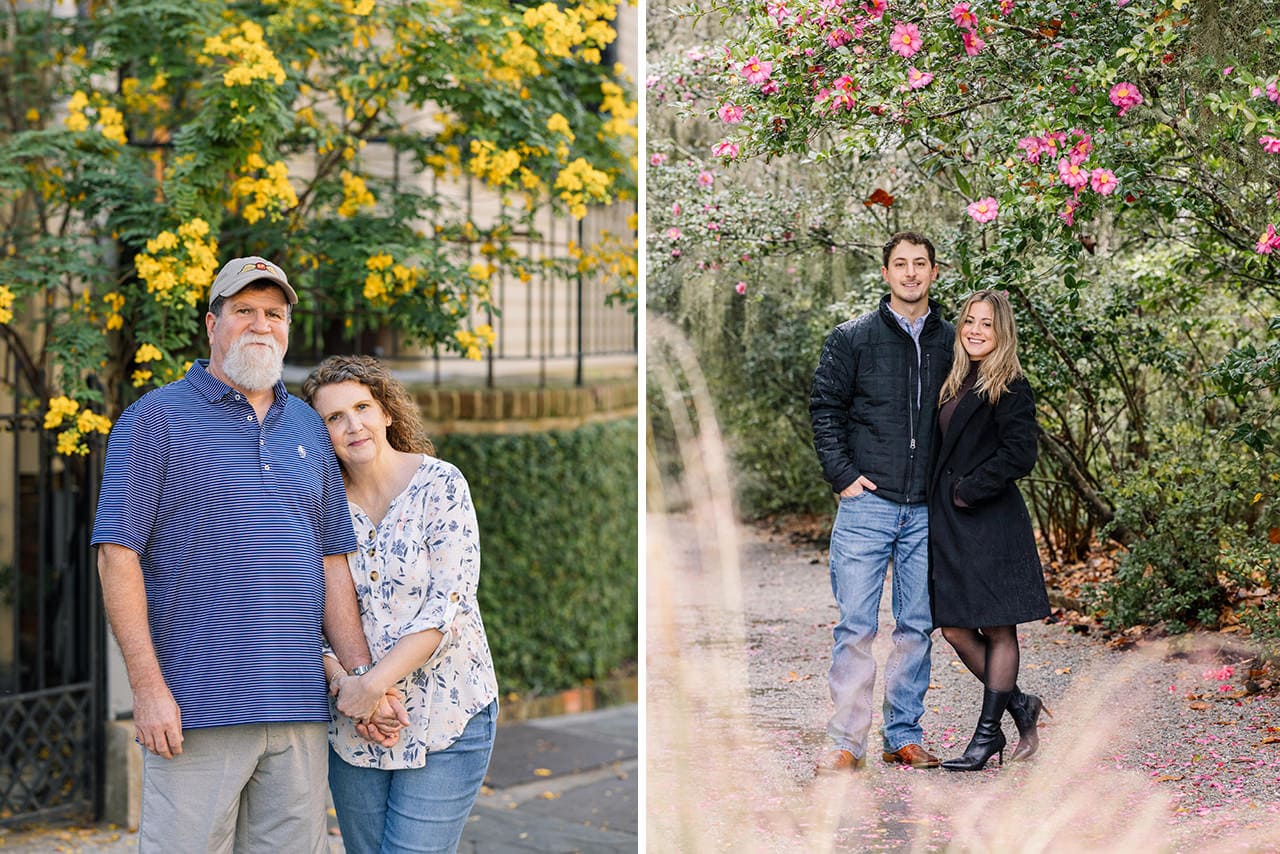
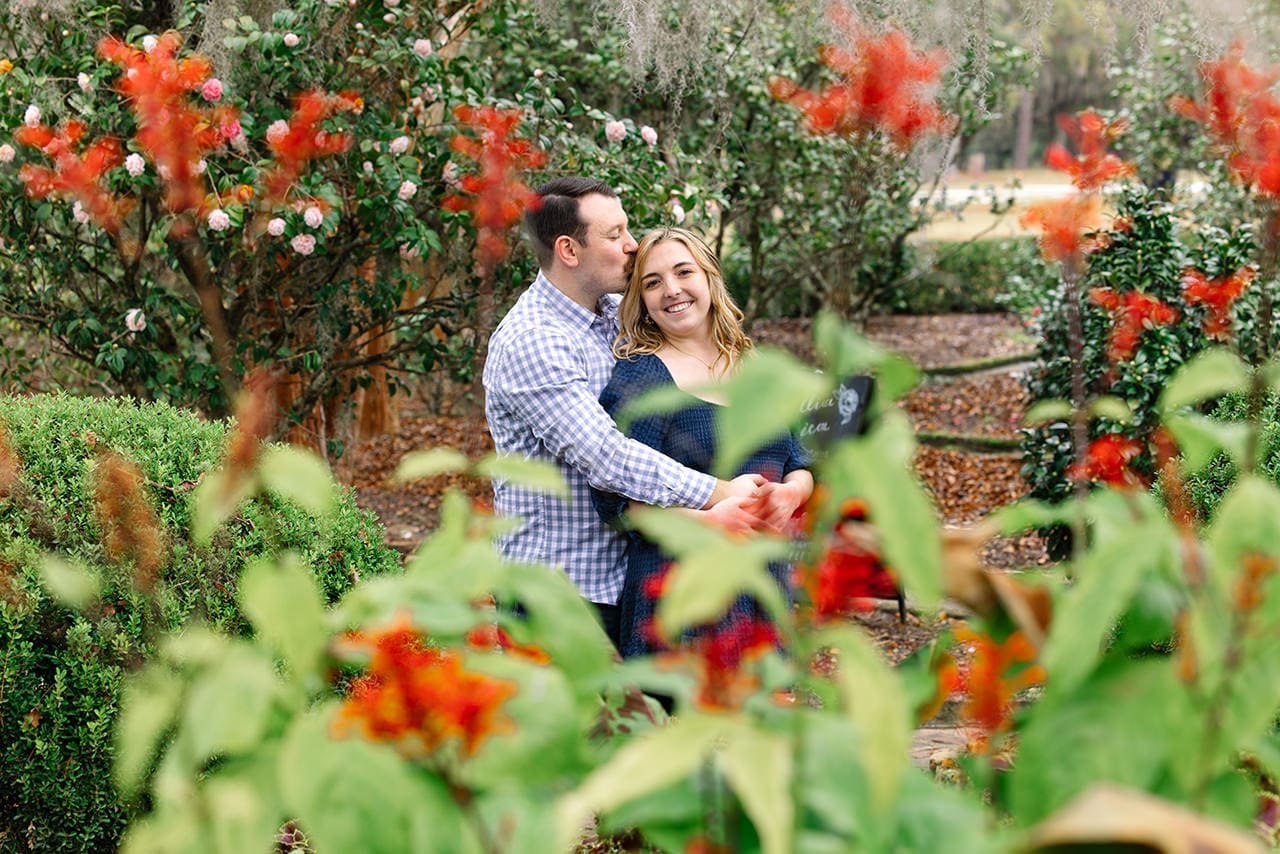
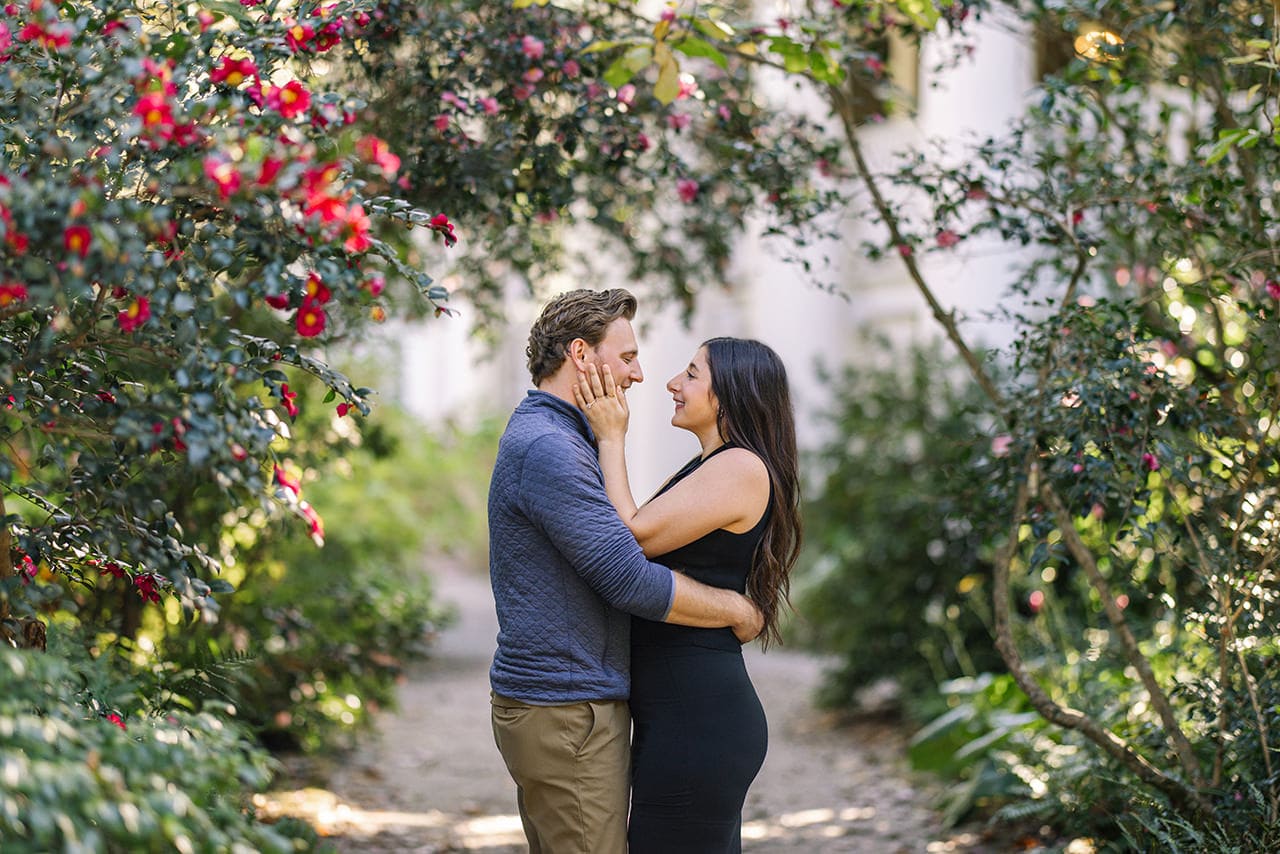
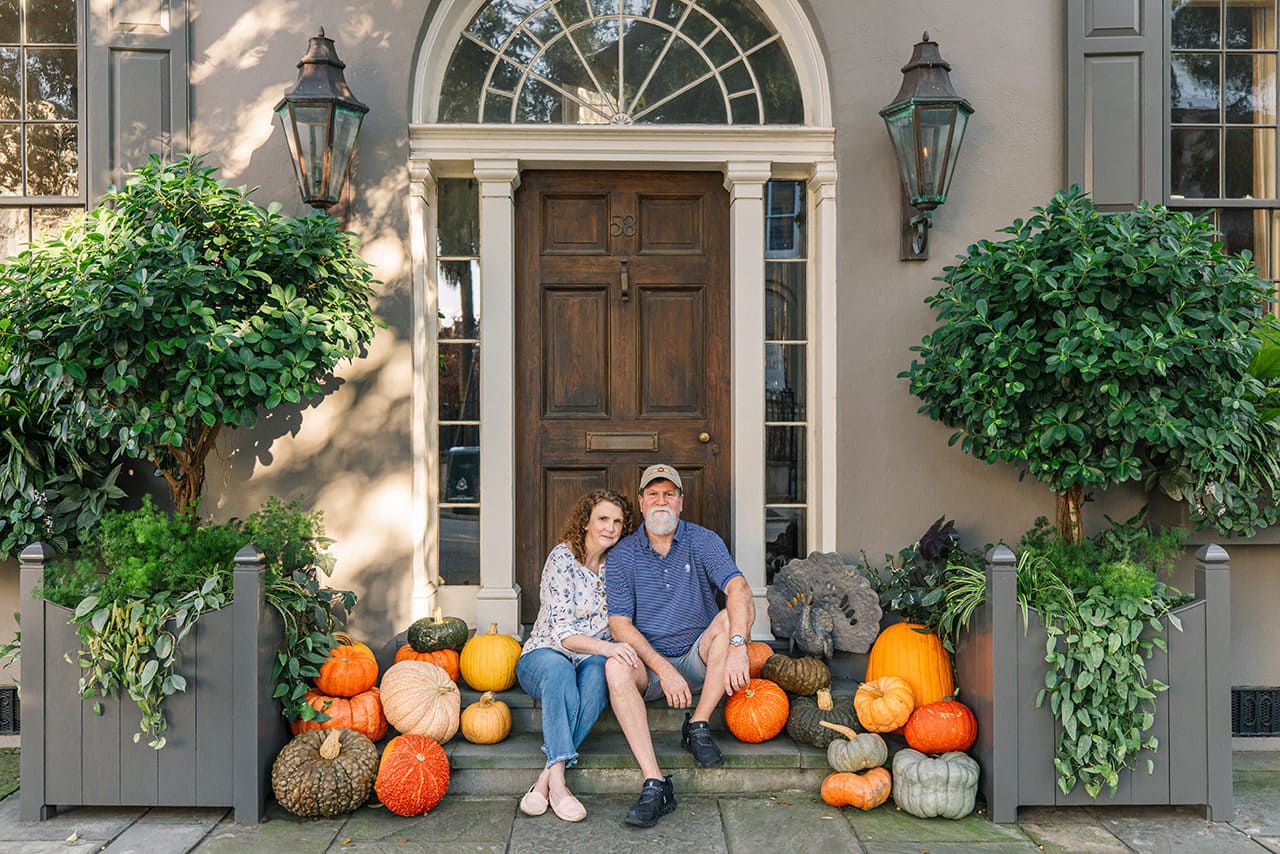
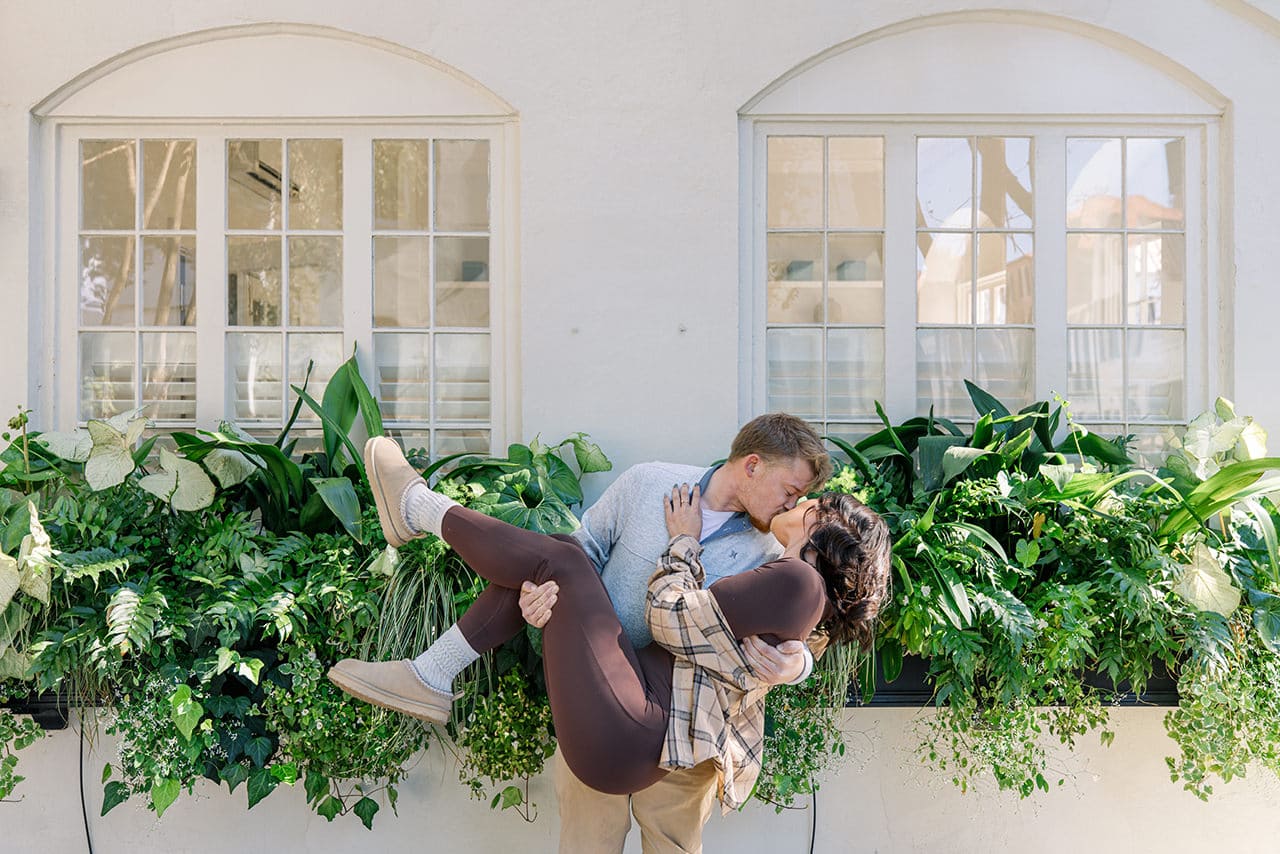
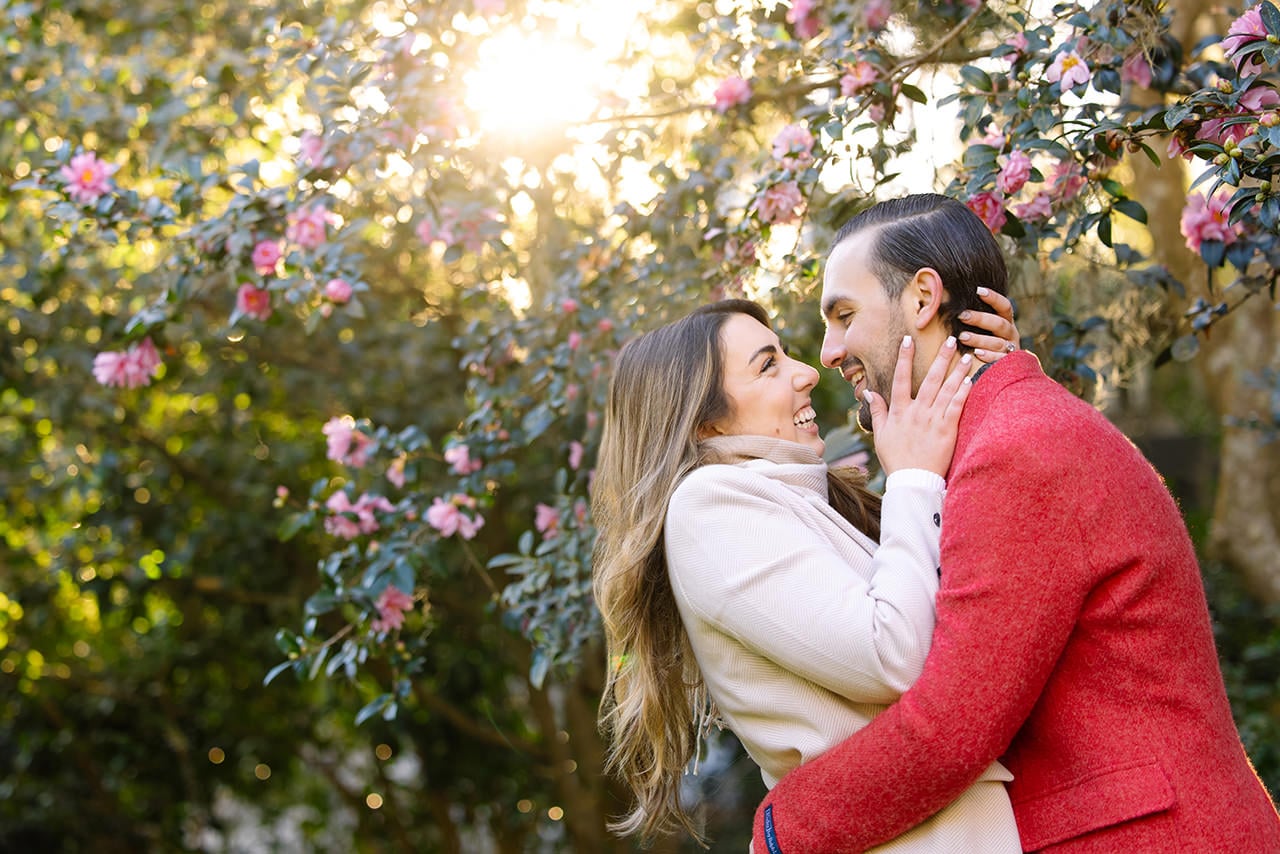
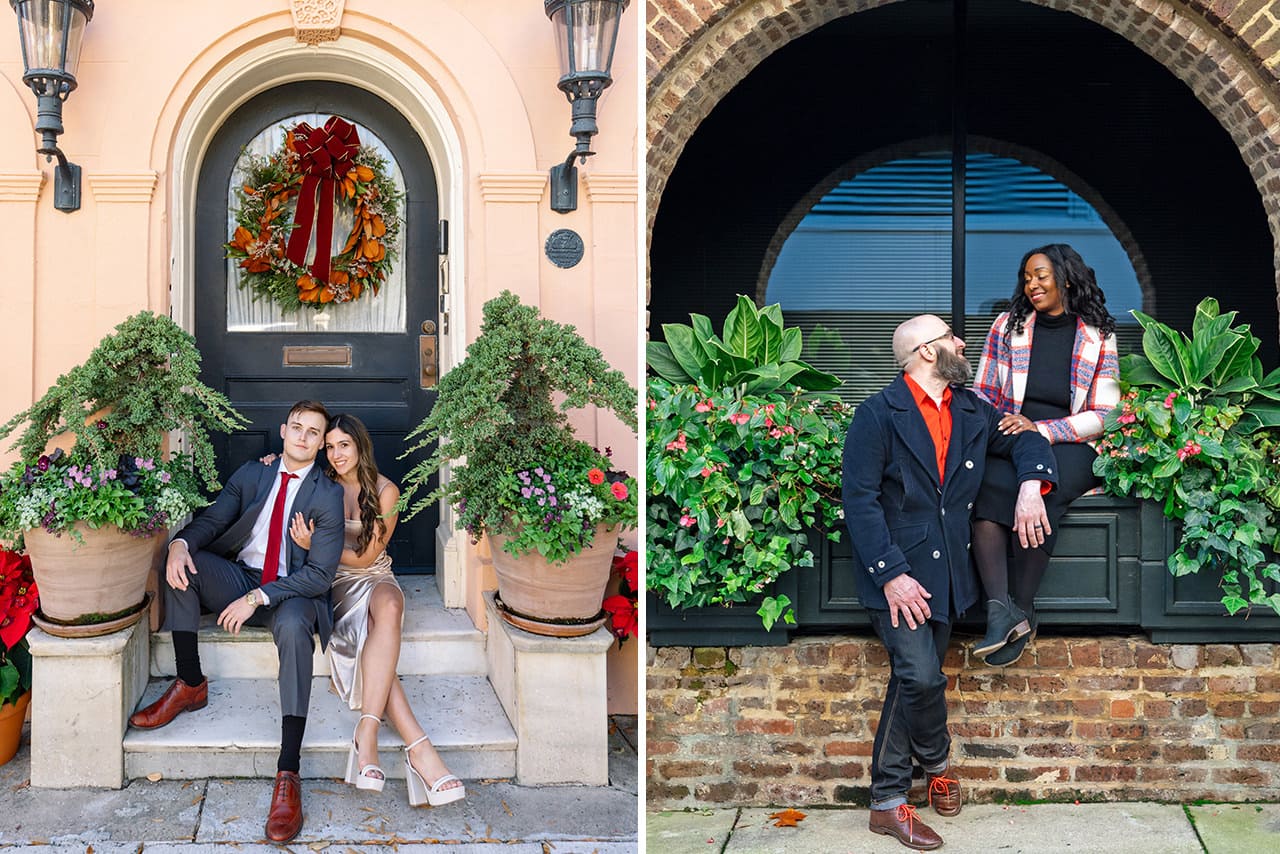
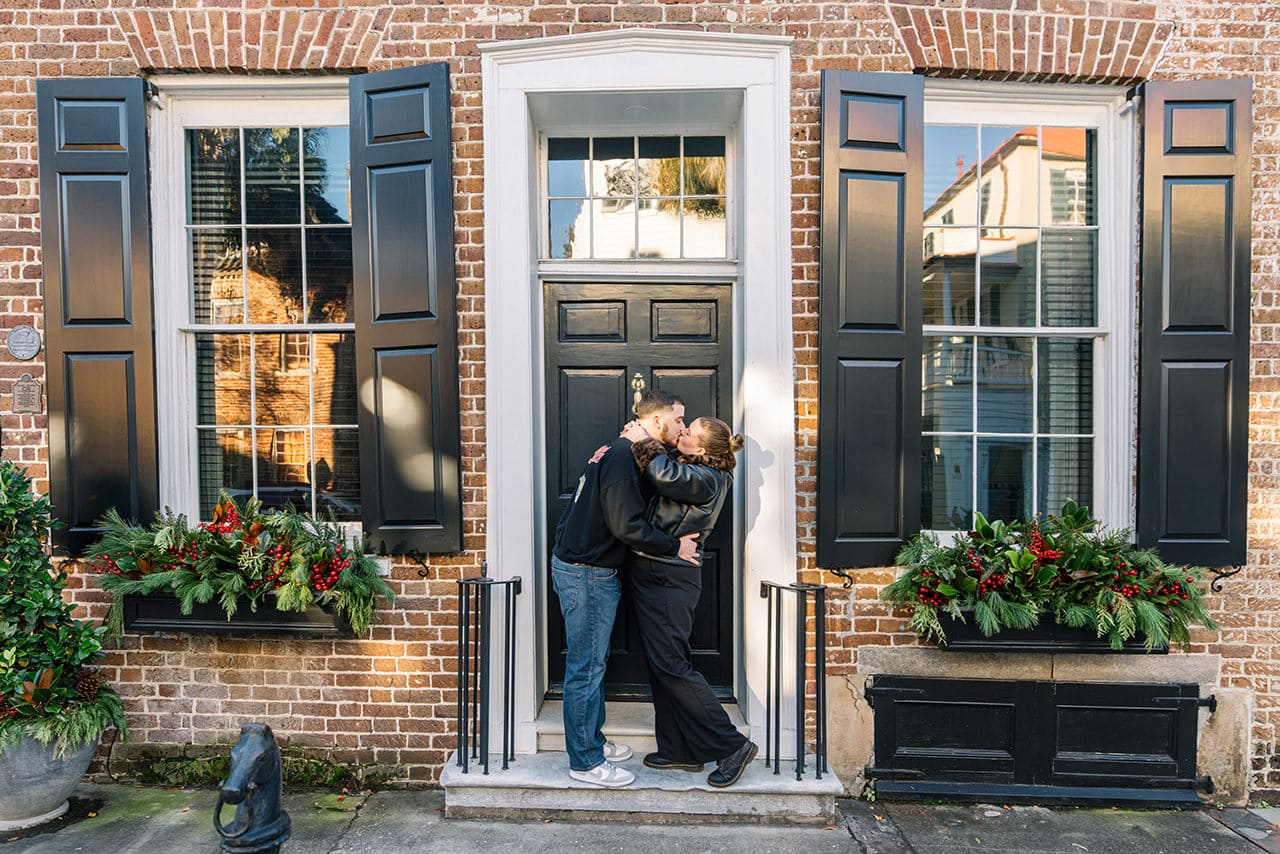
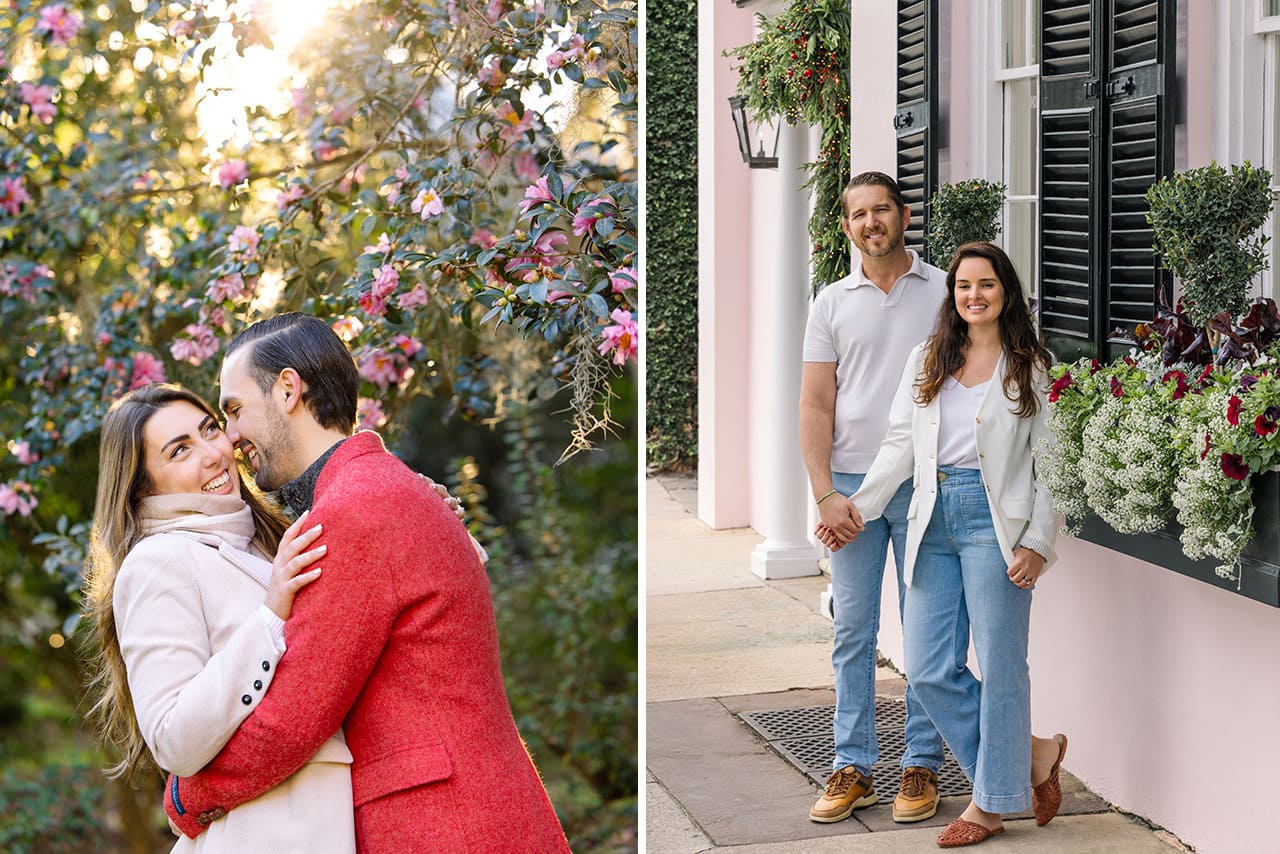
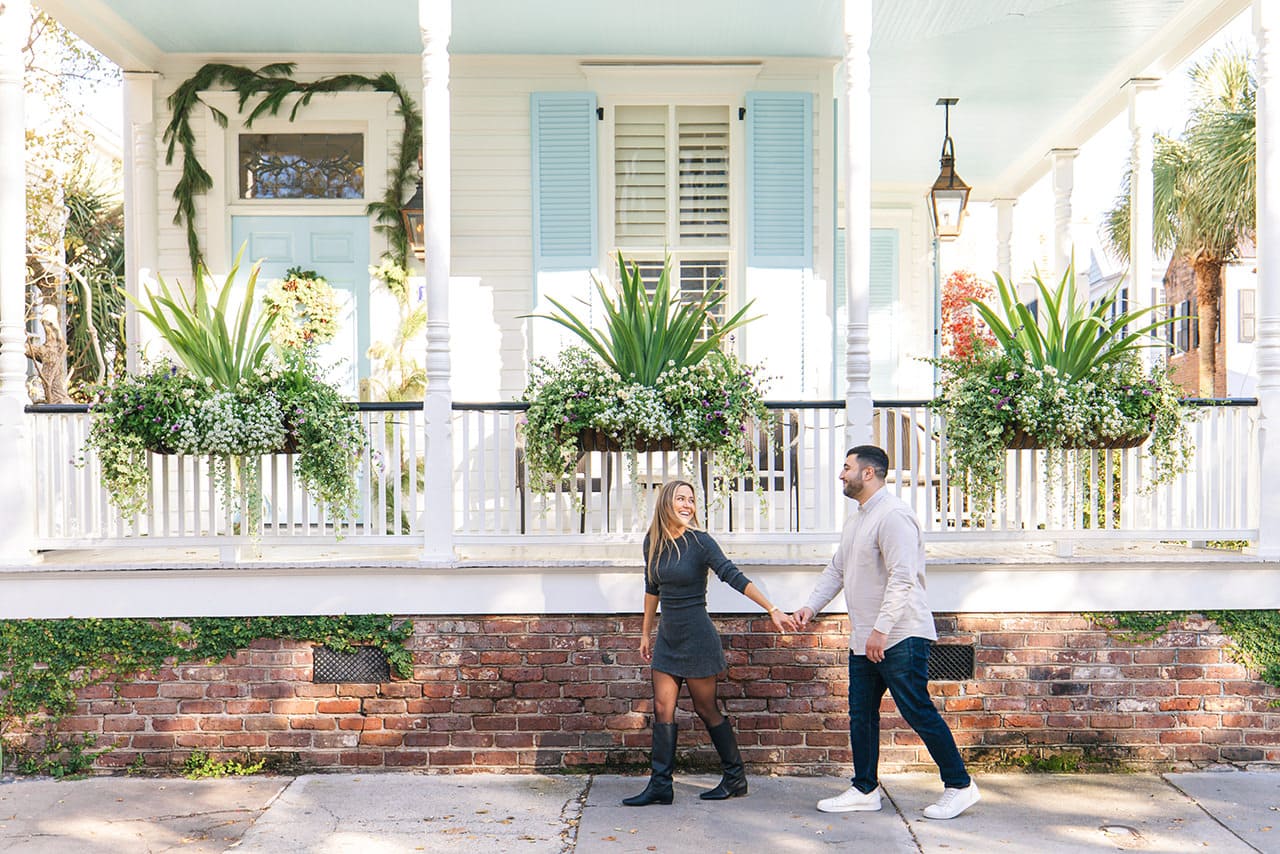
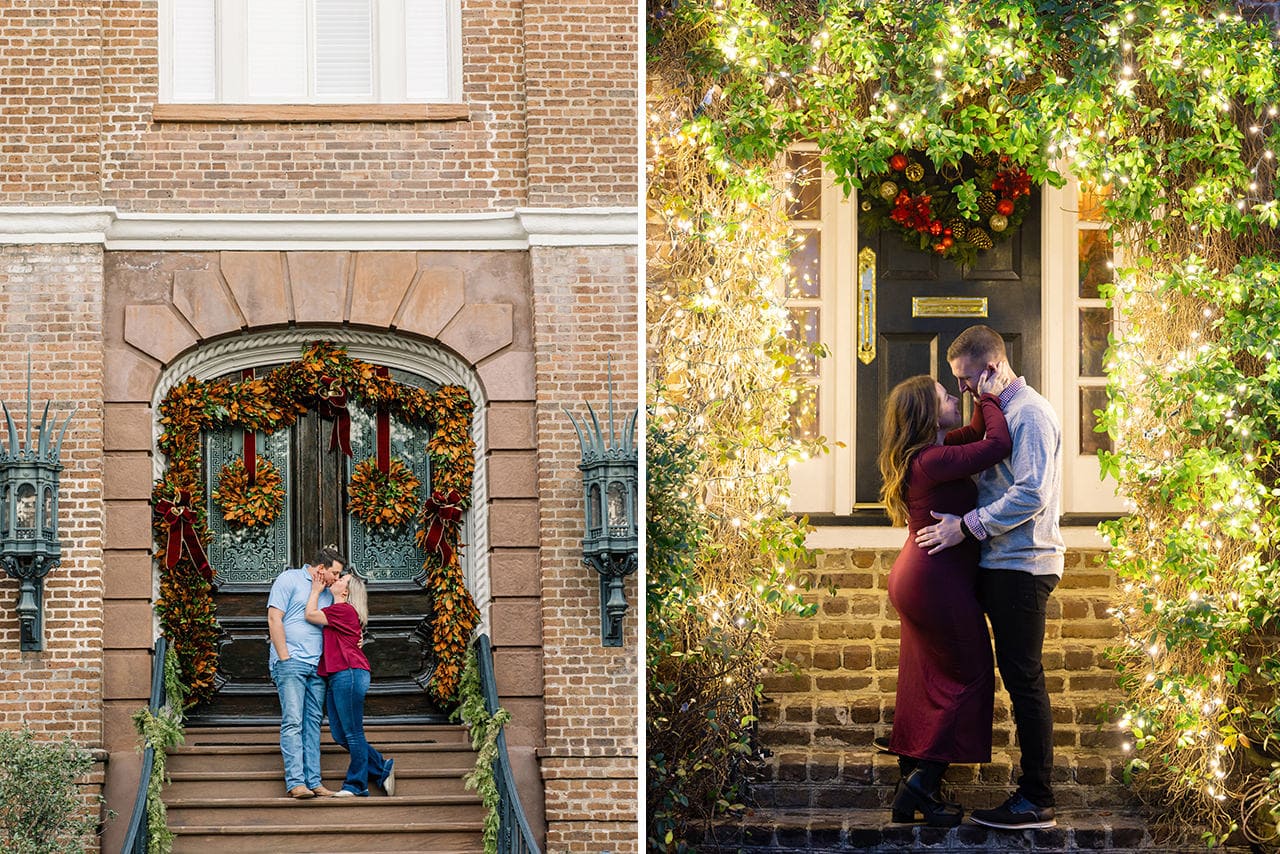
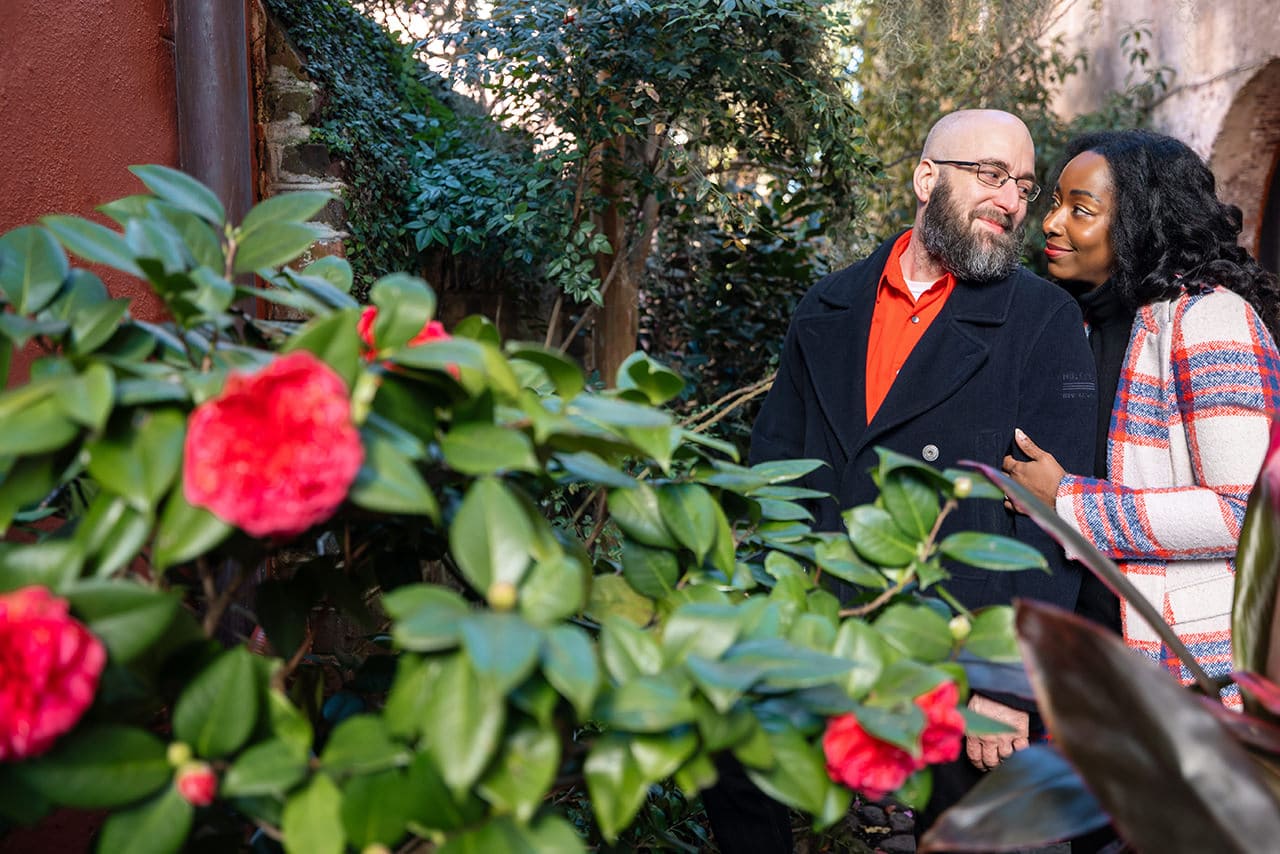
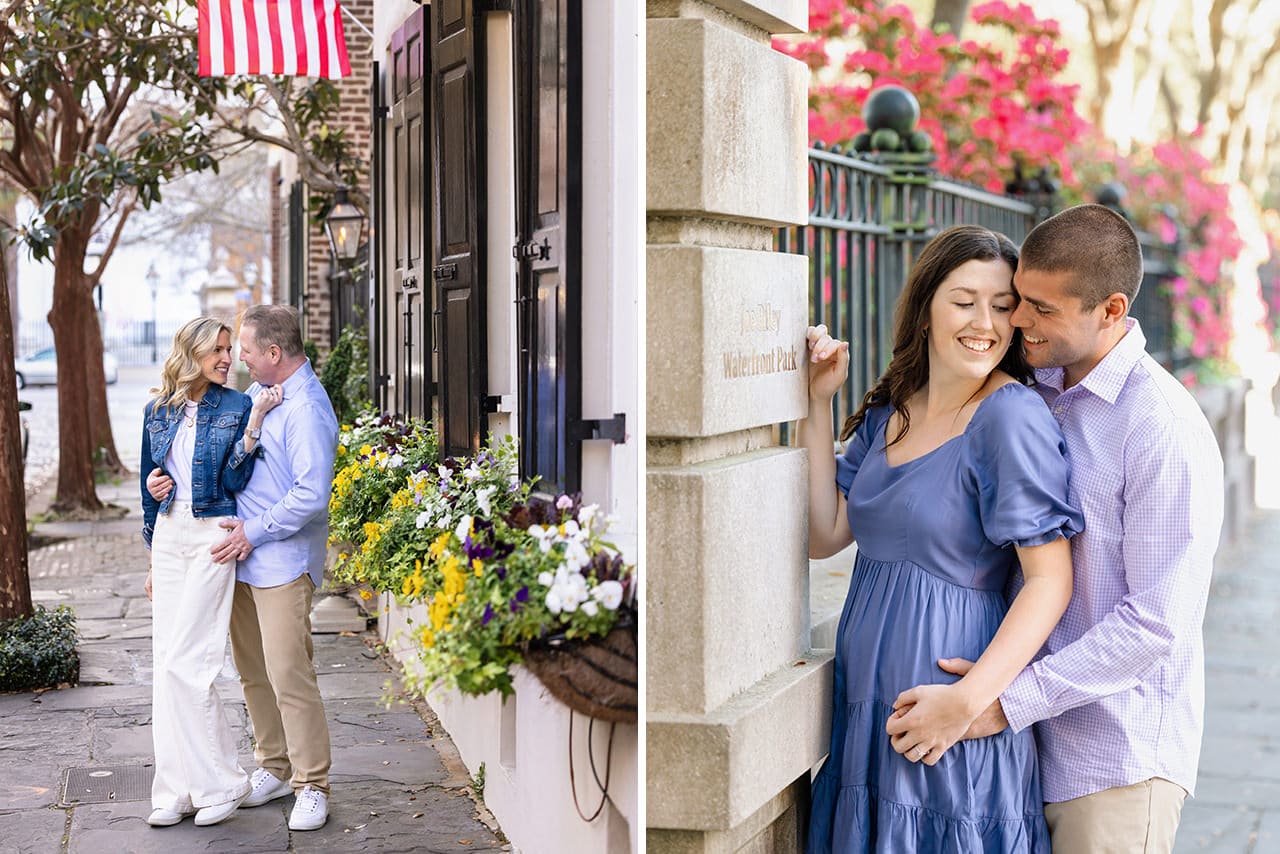
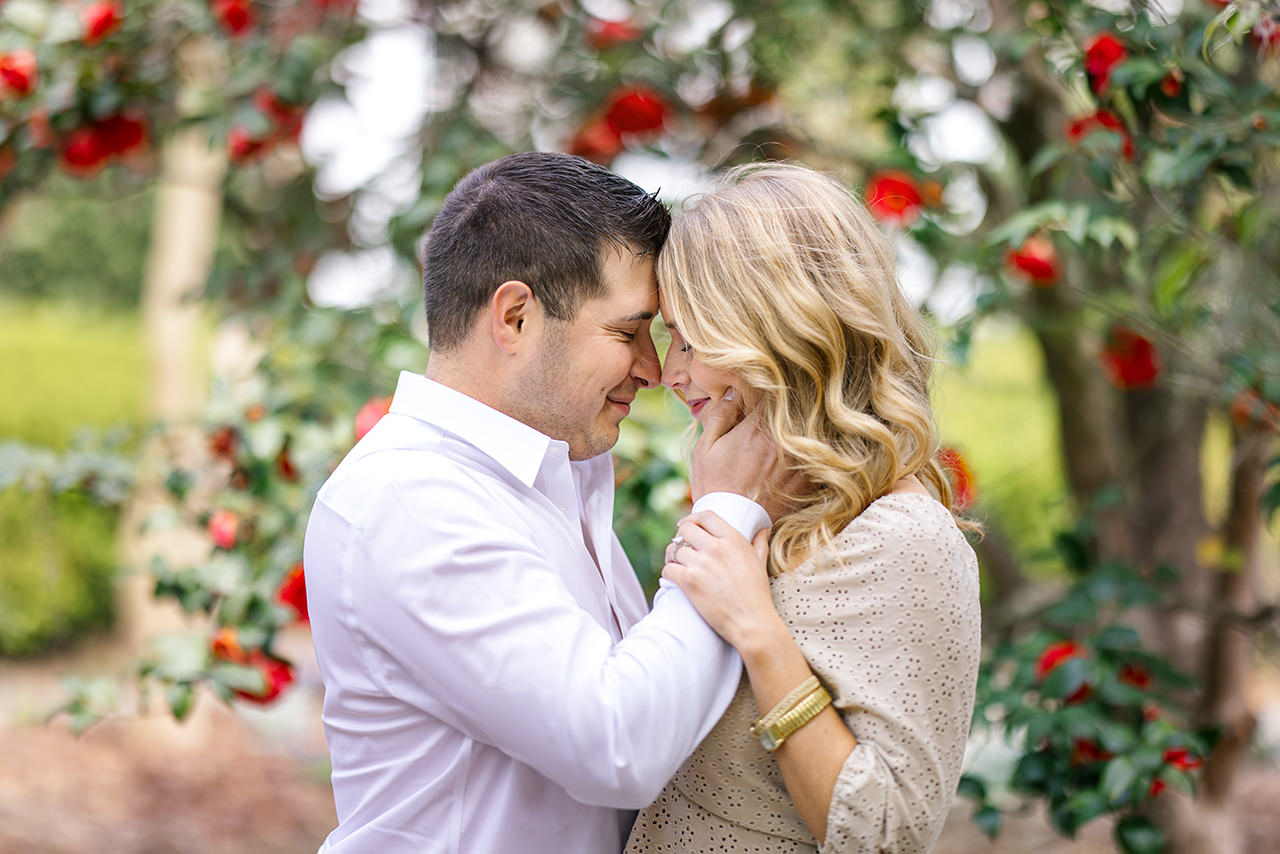
While much of America bundles up against winter, Charleston gardeners—and photographers—rejoice. Camellia bloom in Charleston begins with Camellia sasanqua varieties that ignite the landscape with elegant blooms from November through December. These early camellias feature smaller, delicate flowers in whites, pinks, and reds, often with a subtle fragrance absent in their later-blooming cousins. They thrive against historic brick walls and beneath live oaks draped in Spanish moss—a quintessential Charleston composition. During December, festive lights and tasteful Christmas decorations adorn parks like Waterfront Park and The Battery, adding warm glows and seasonal color that complement camellia blooms beautifully in frame. Magnolia Plantation & Gardens showcases over 6,500 sasanqua specimens during this period, creating immersive backdrops for portrait work.

January–February: Camellia Japonica Takes Center Stage
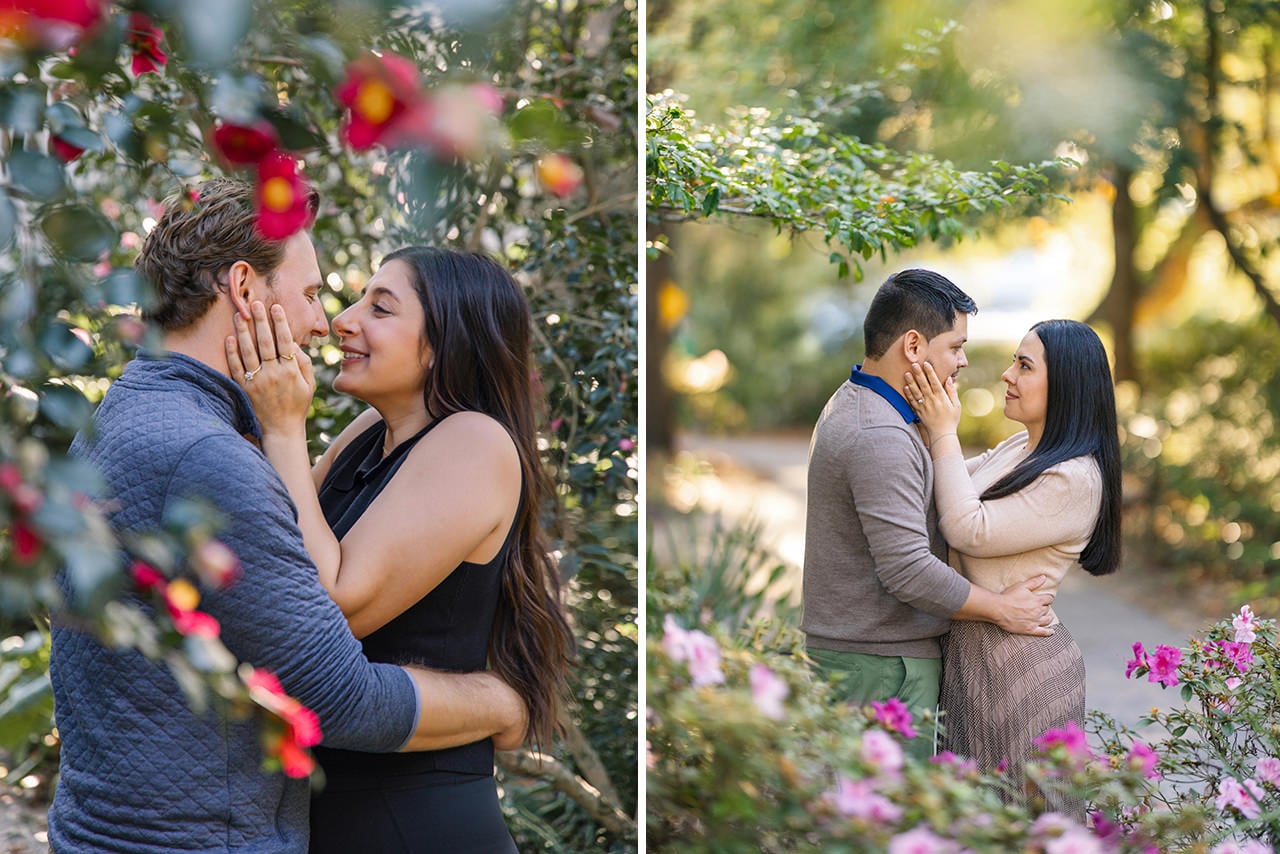
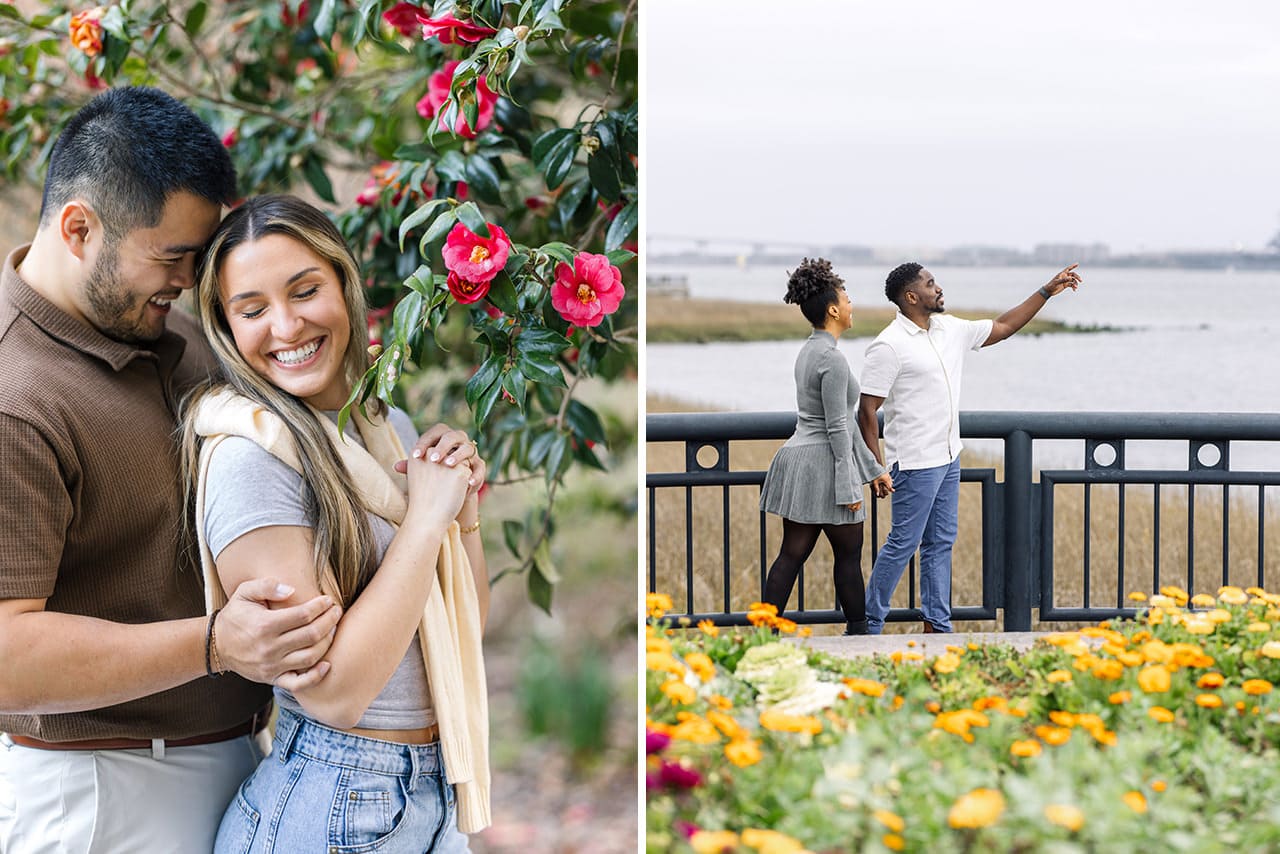
As sasanquas fade, Camellia japonica—often called “the winter rose”—bursts forth with larger, more dramatic blooms from mid-January through mid-March. With over 1,000 cultivars represented across Charleston gardens, you’ll find everything from single-petaled varieties to elaborate peony forms in shades spanning pure white to deep crimson. Middleton Place hosts its annual “Beauty & History: Camellias” event in early February, making it an ideal time to capture these architectural blooms against the plantation’s formal gardens. The soft winter light filtering through bare branches creates ethereal conditions—especially magical when morning dew clings to waxy petals.

Spring Spectacle: March Through May
March: The Azalea Explosion Begins
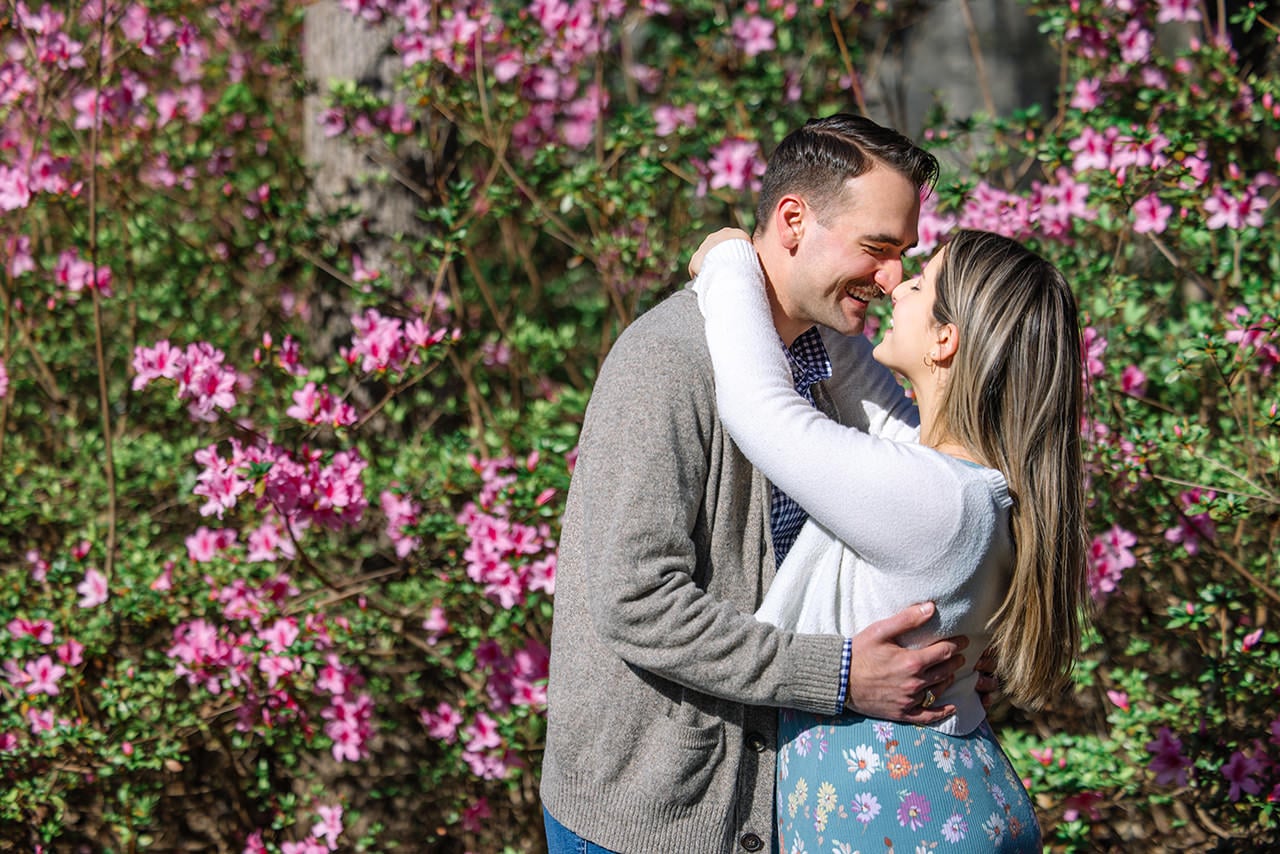
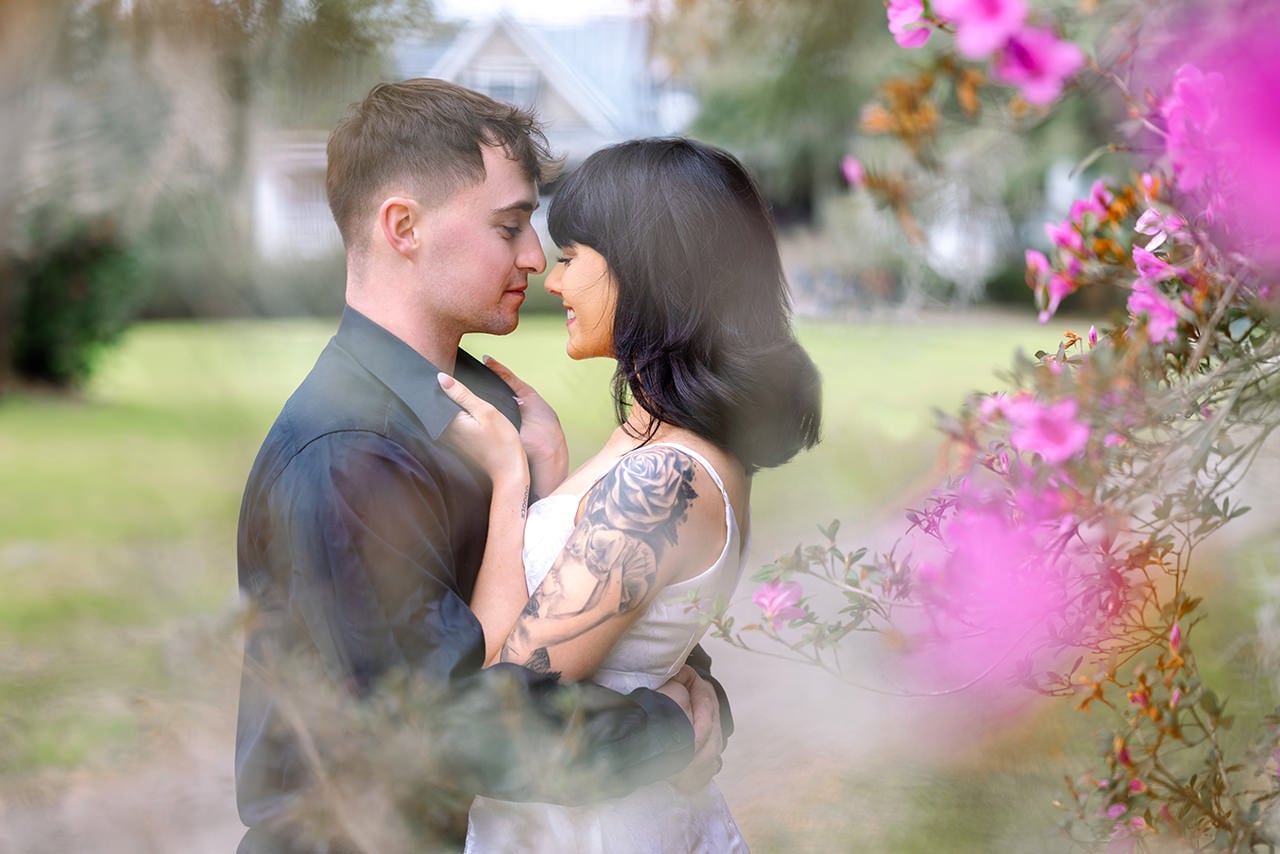
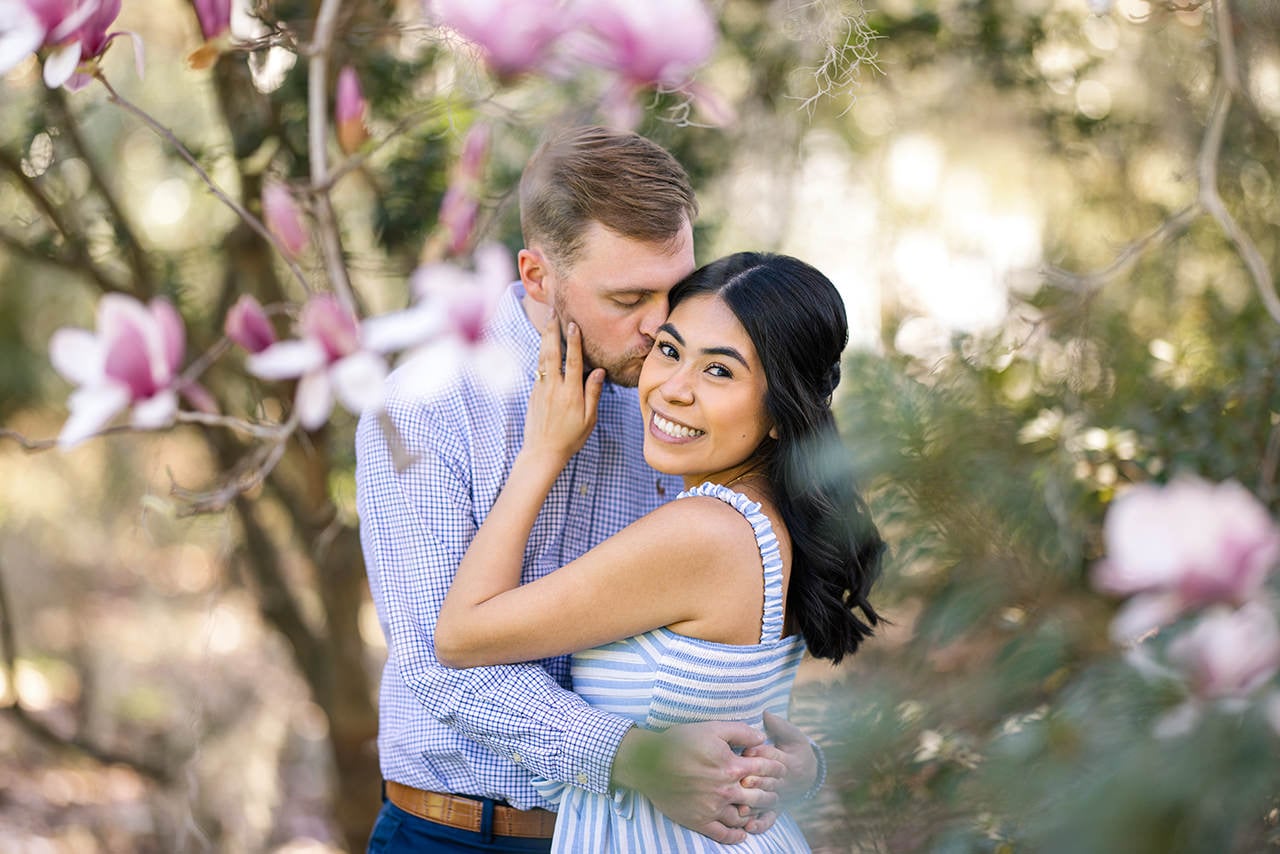
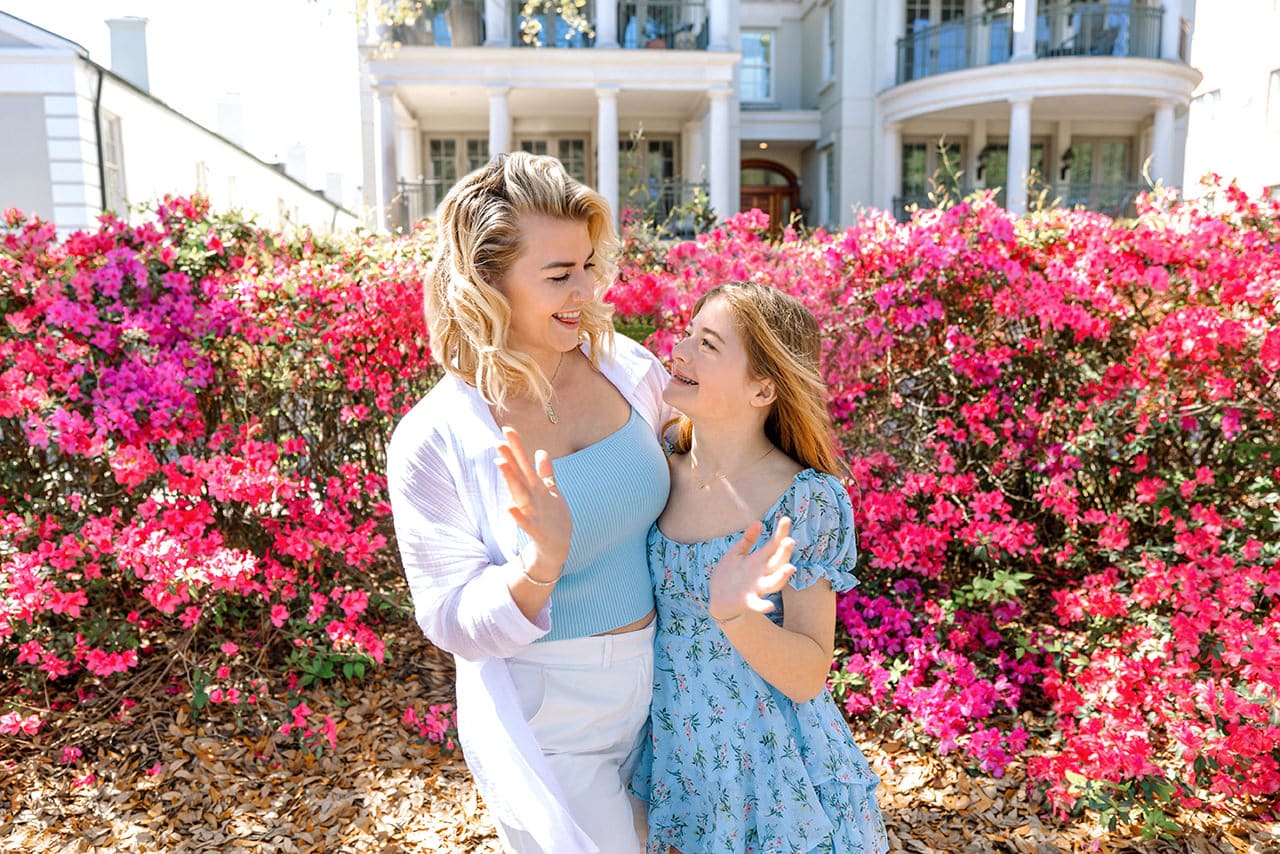
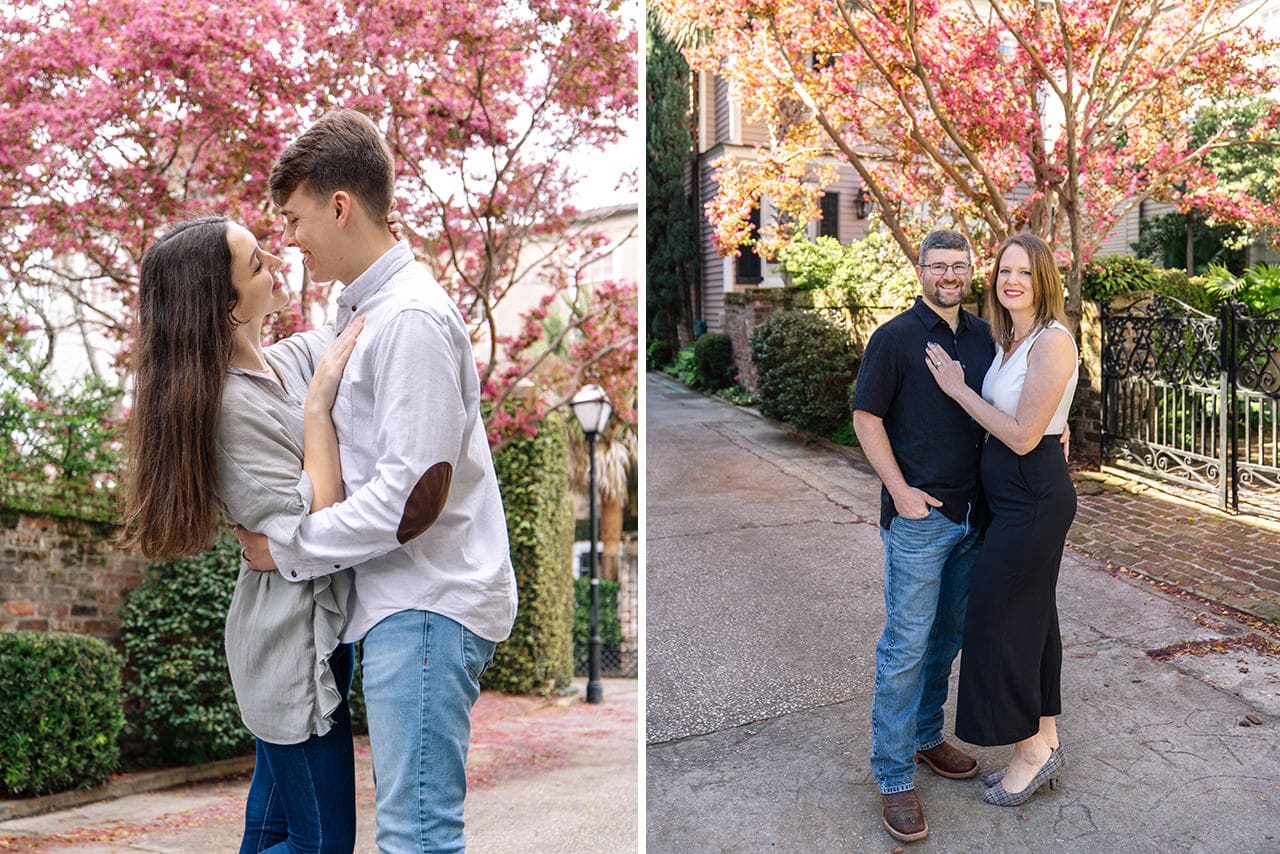
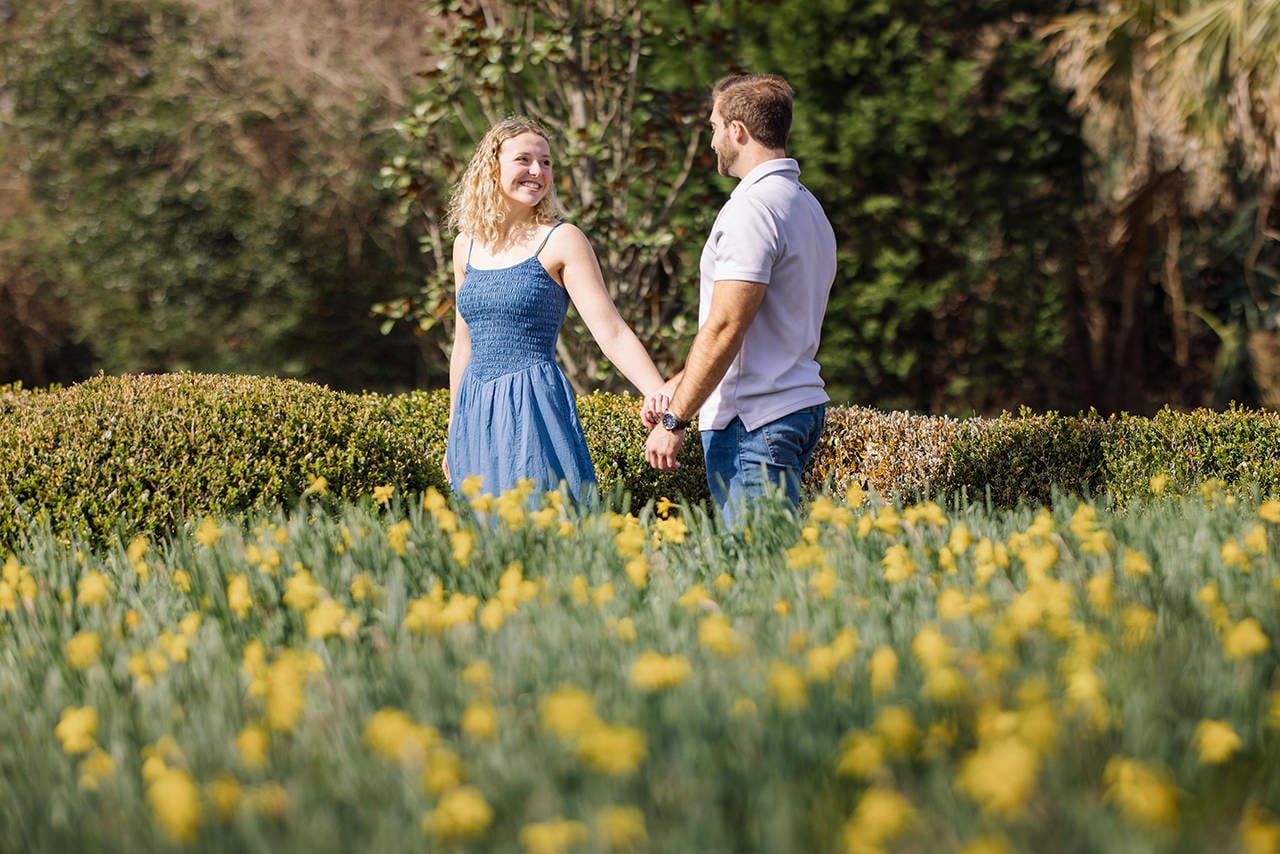
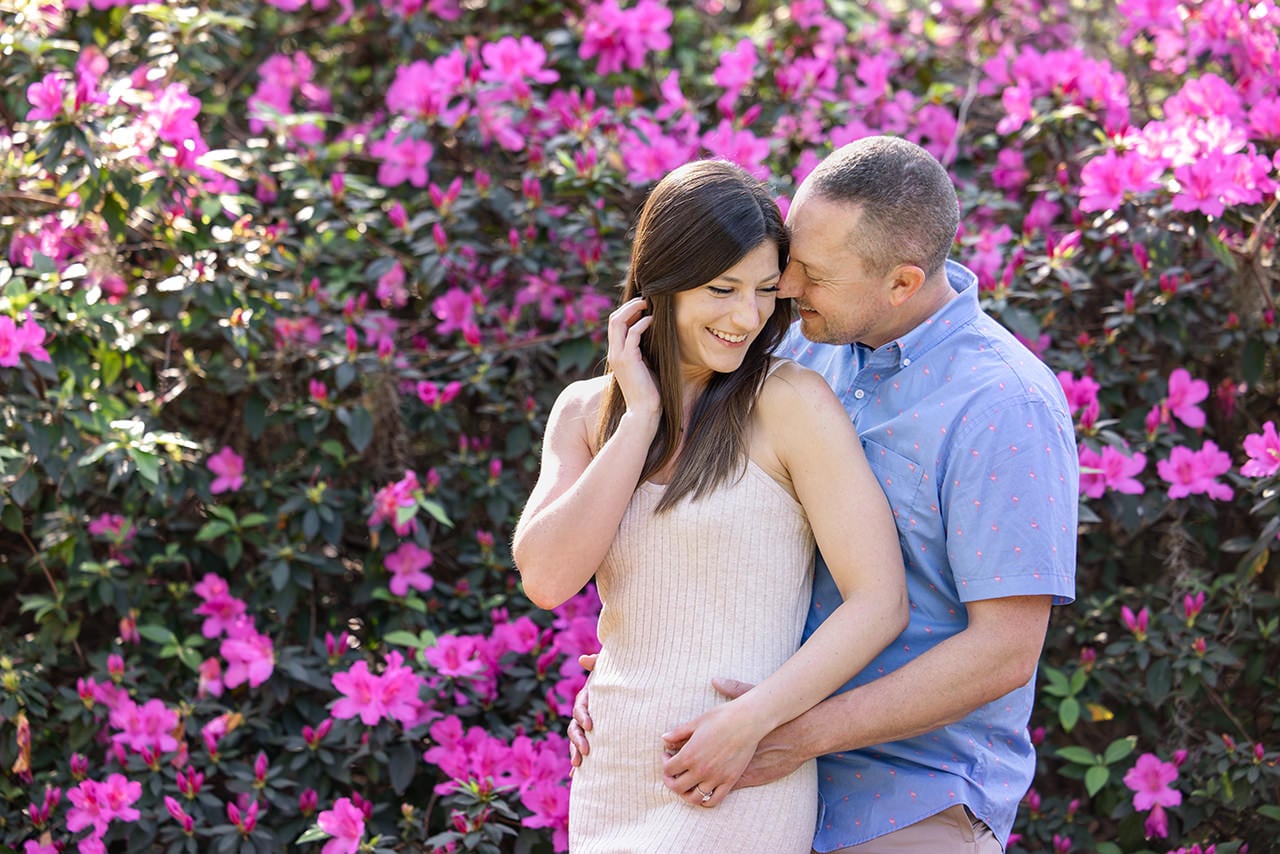
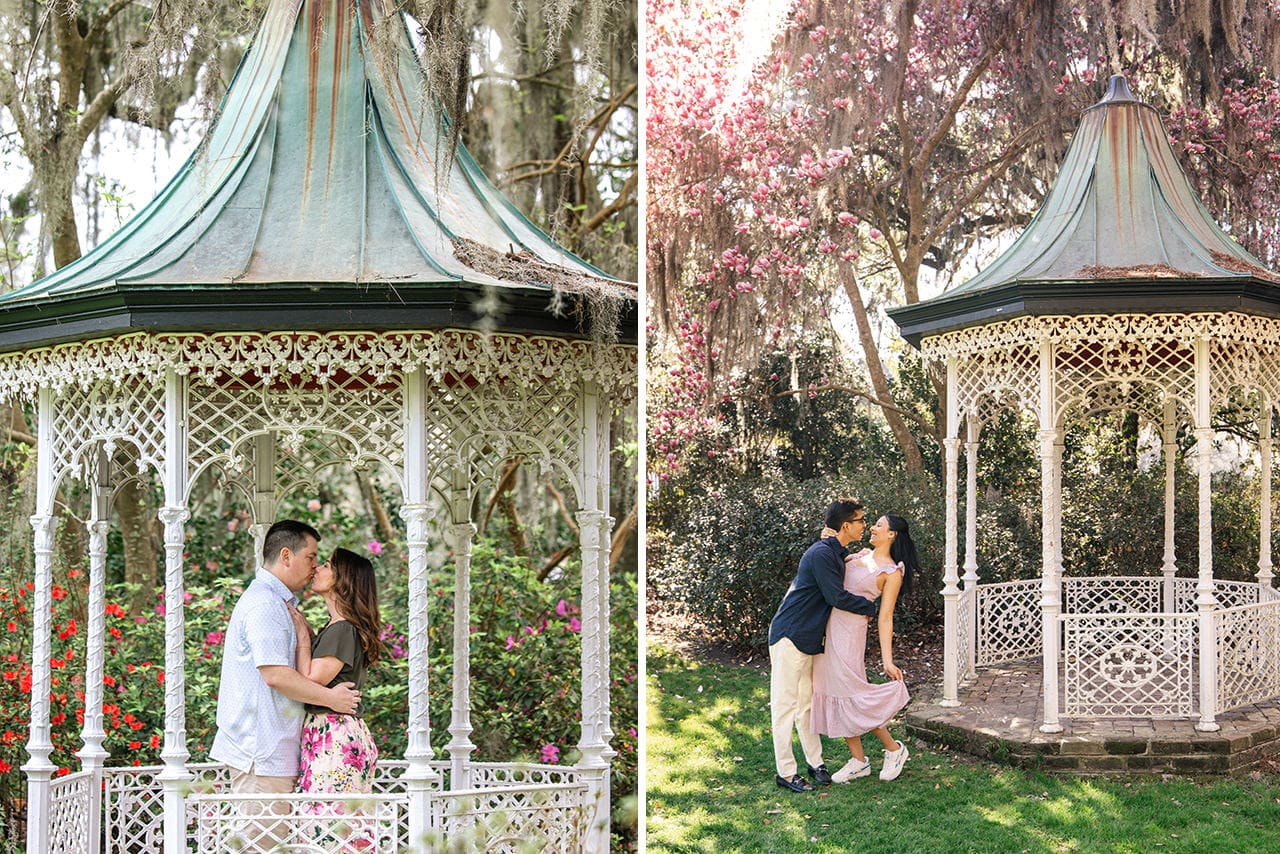
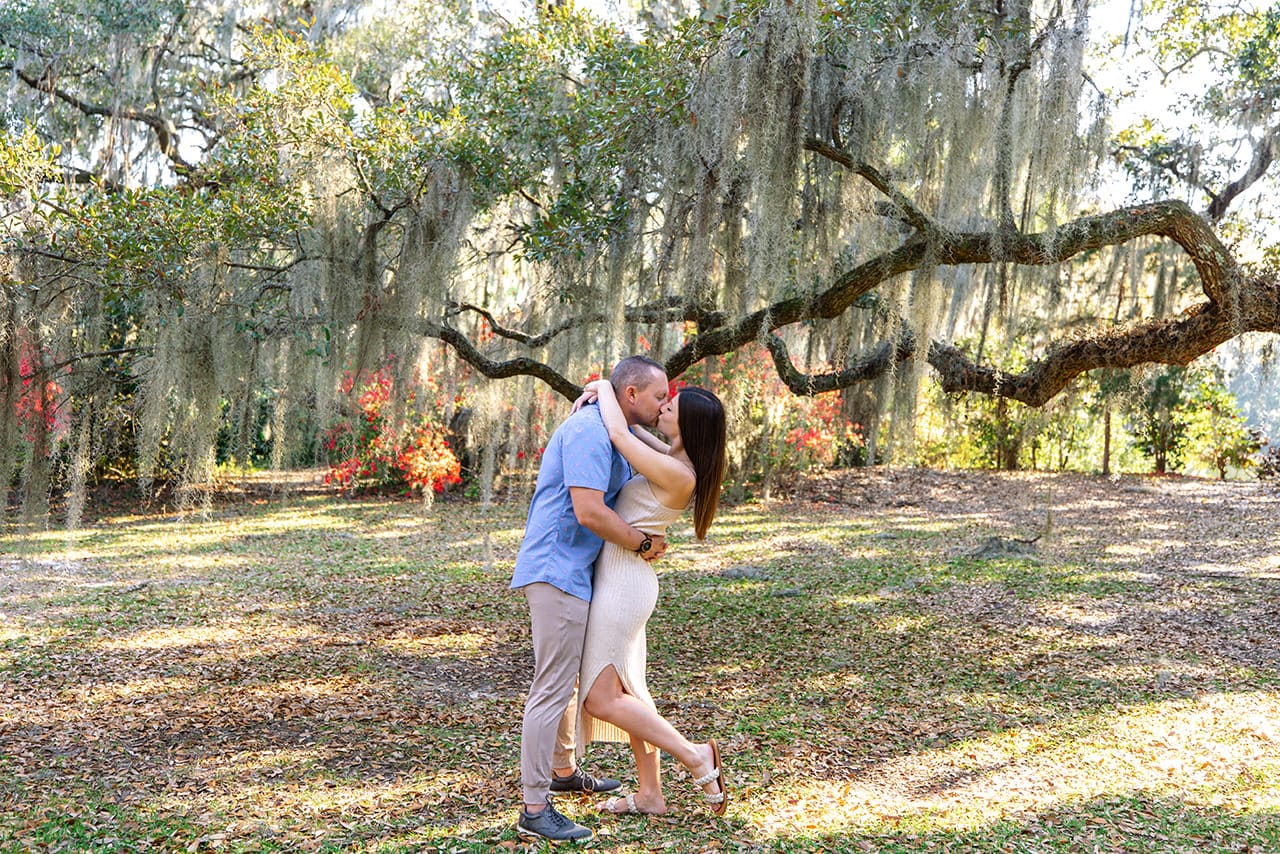
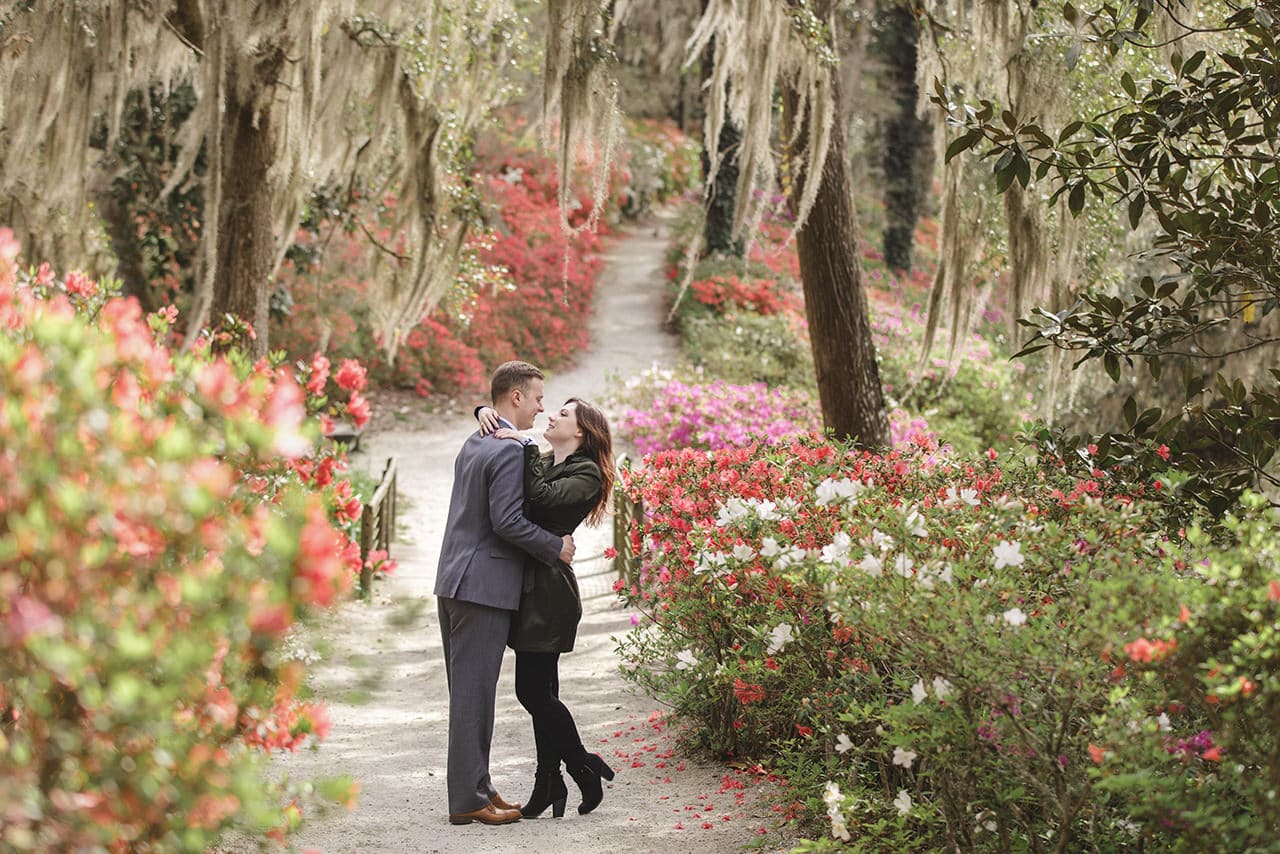
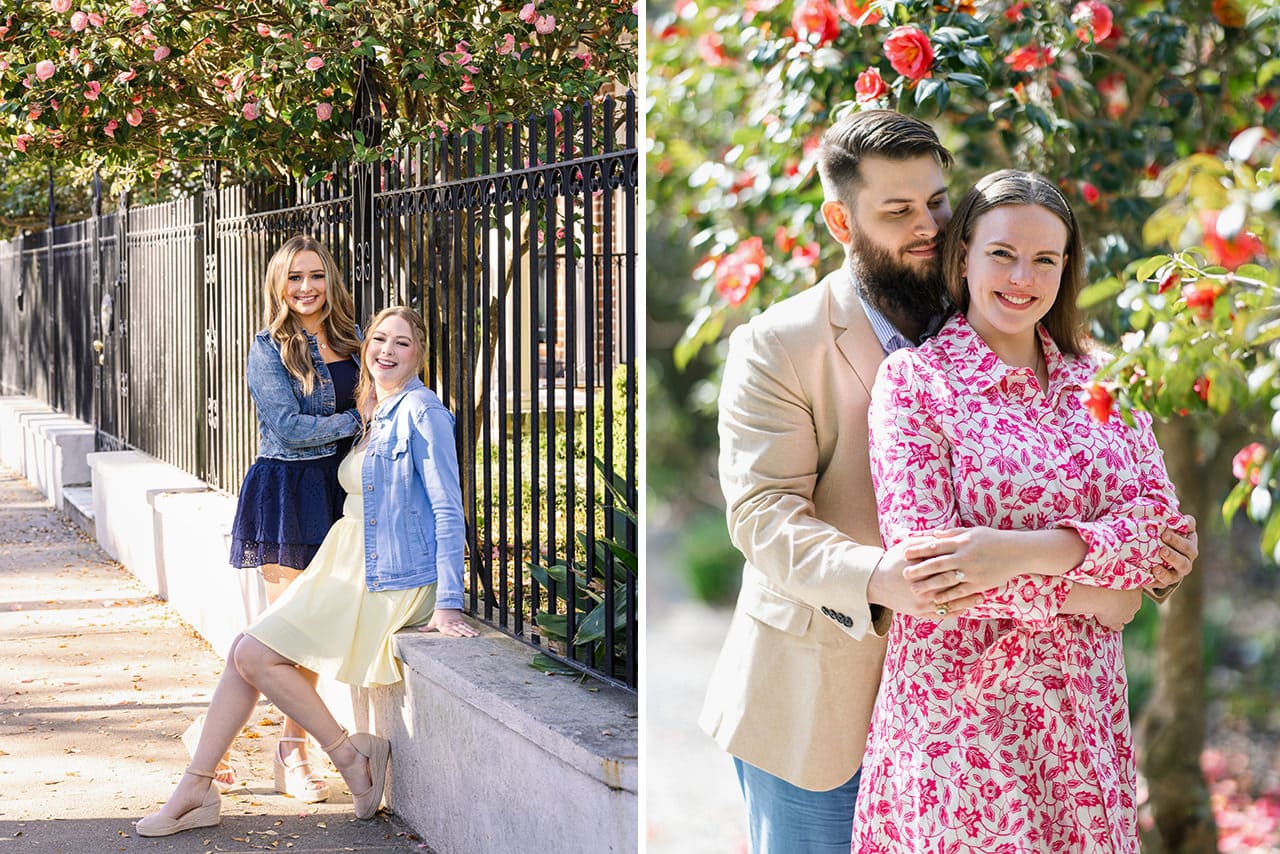
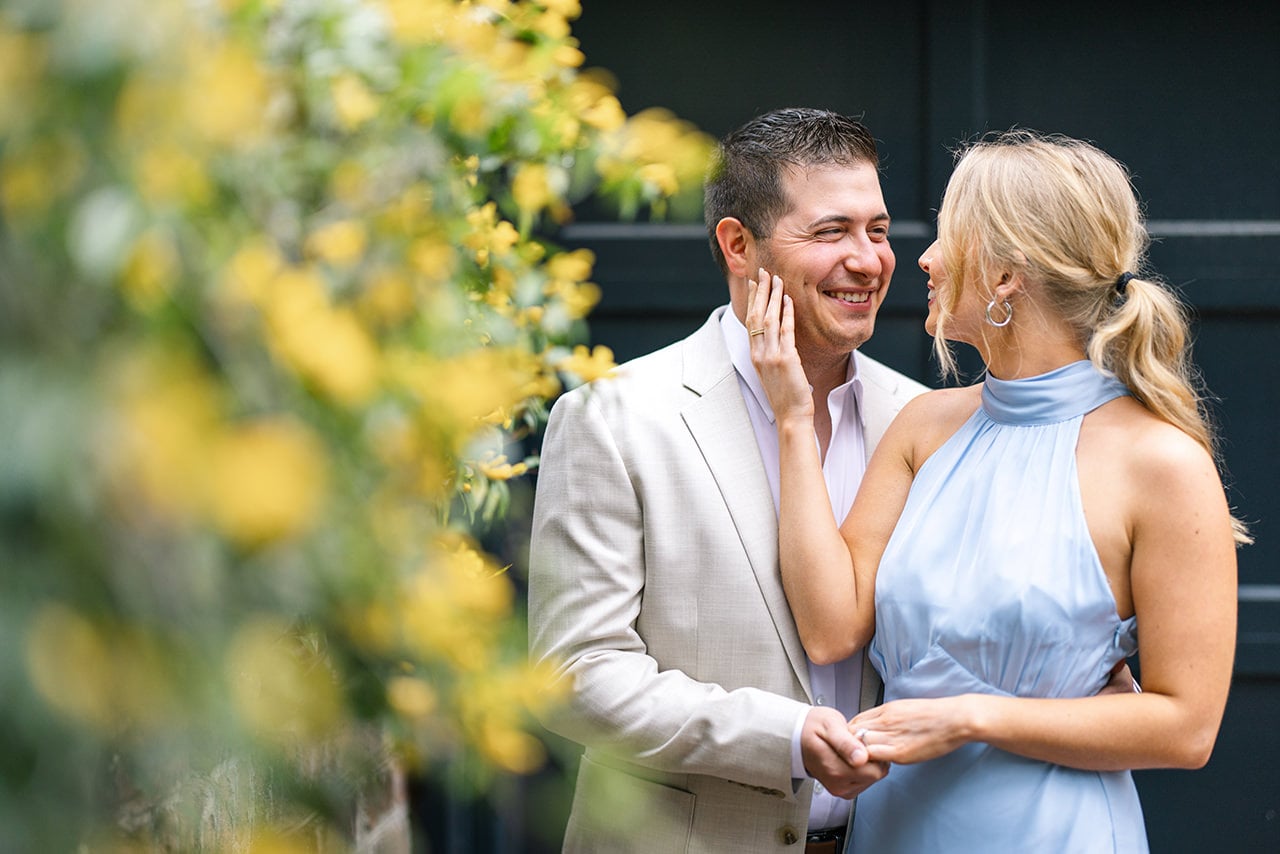
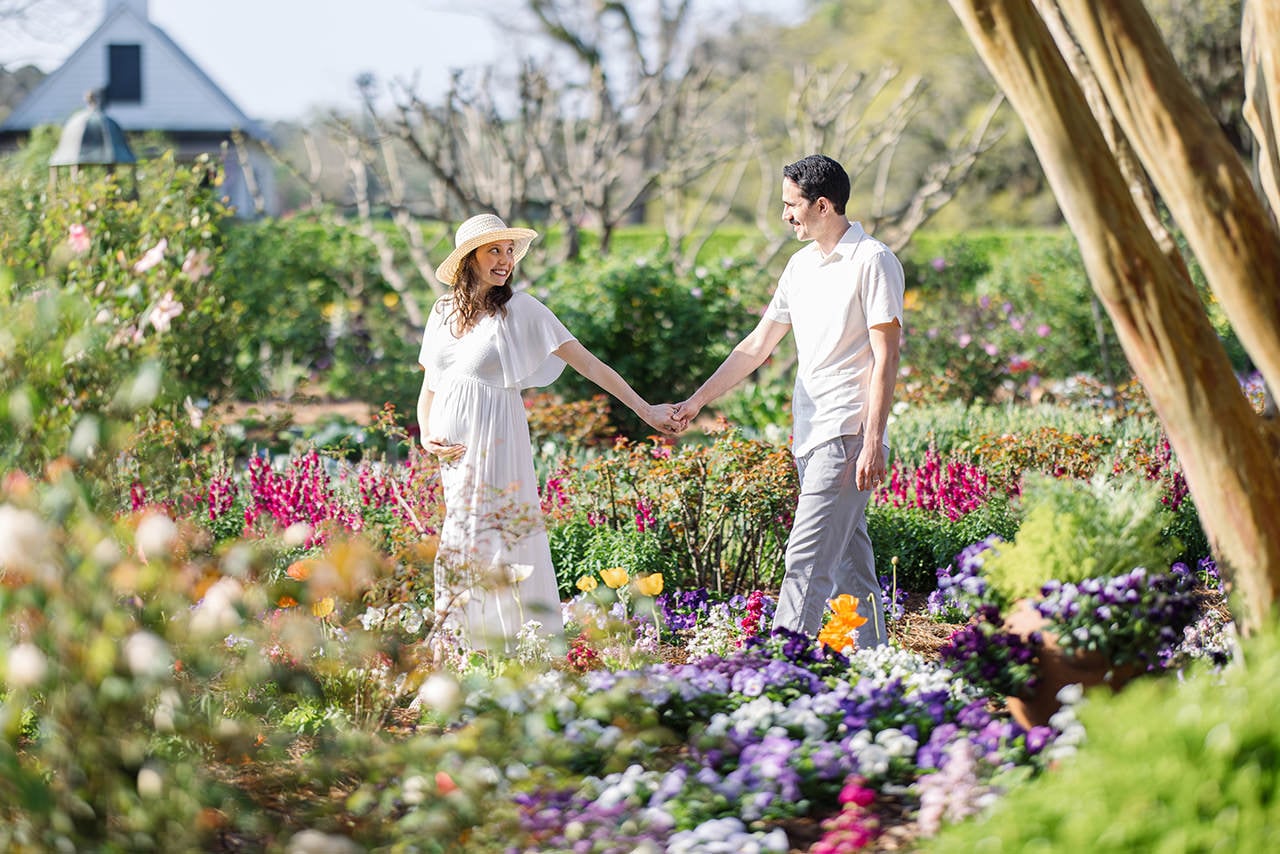
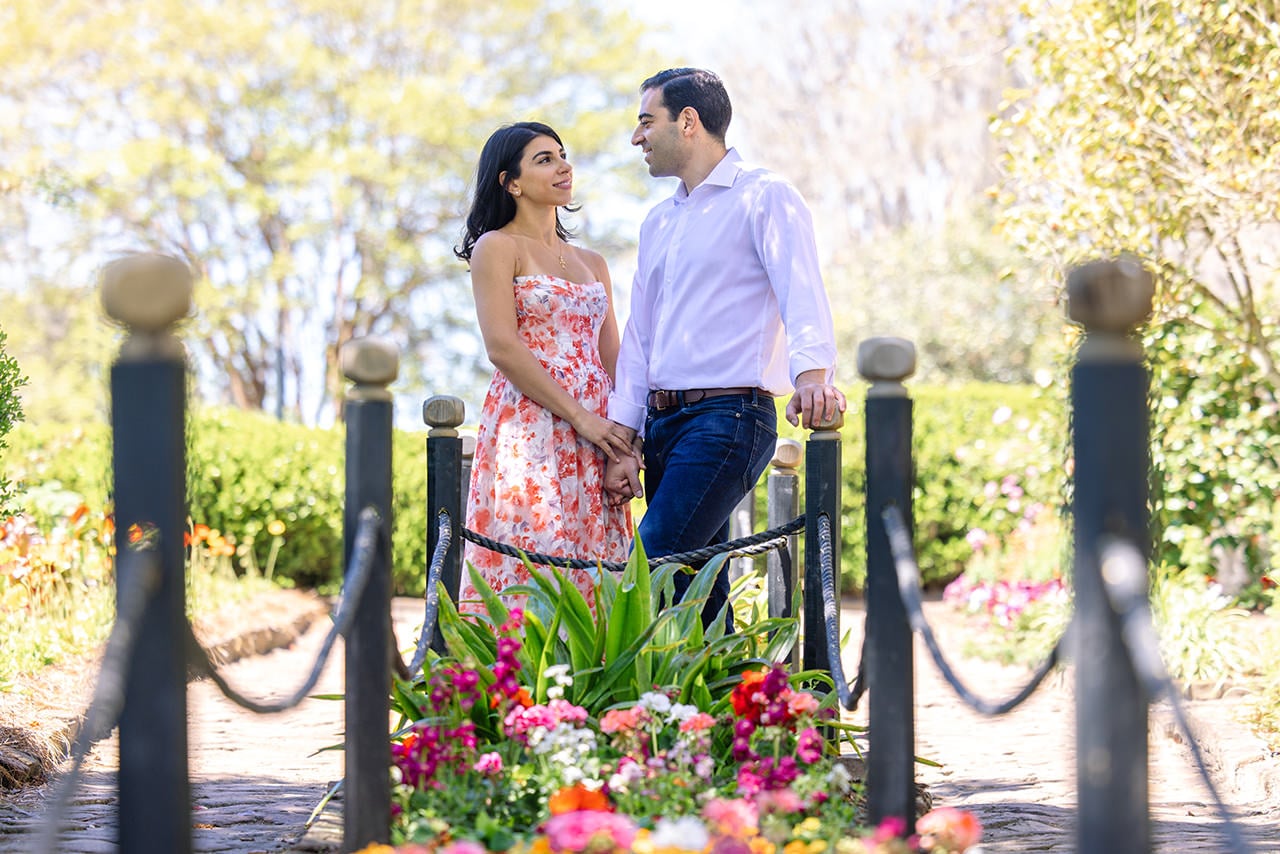
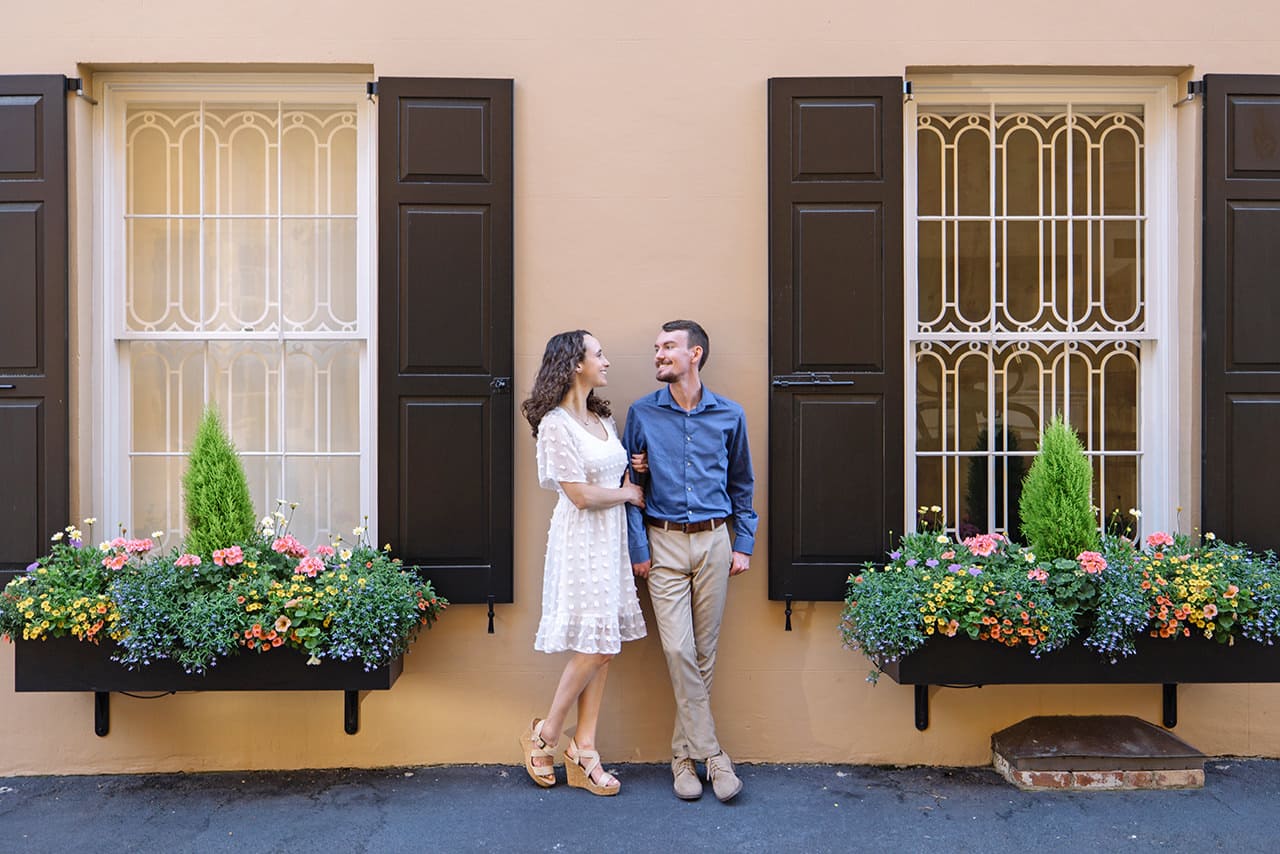
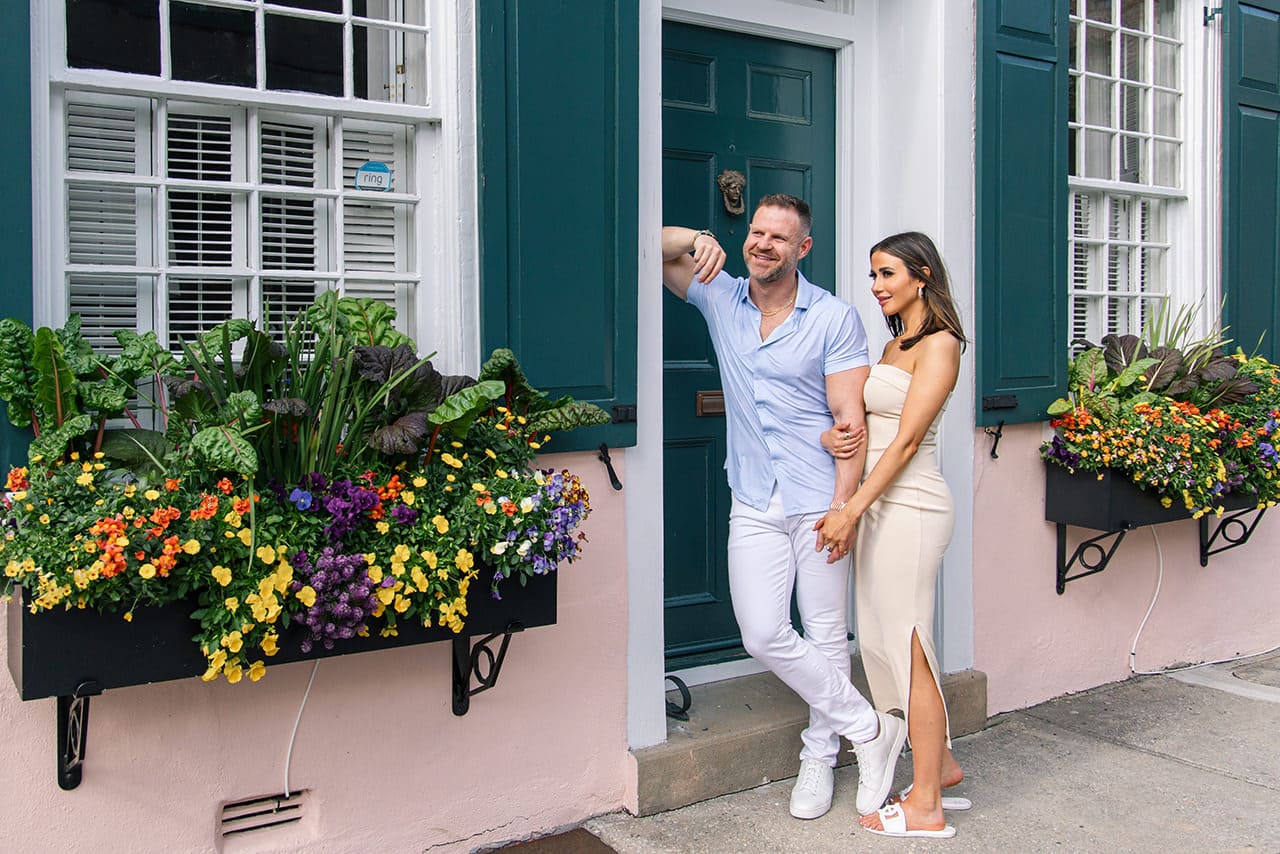
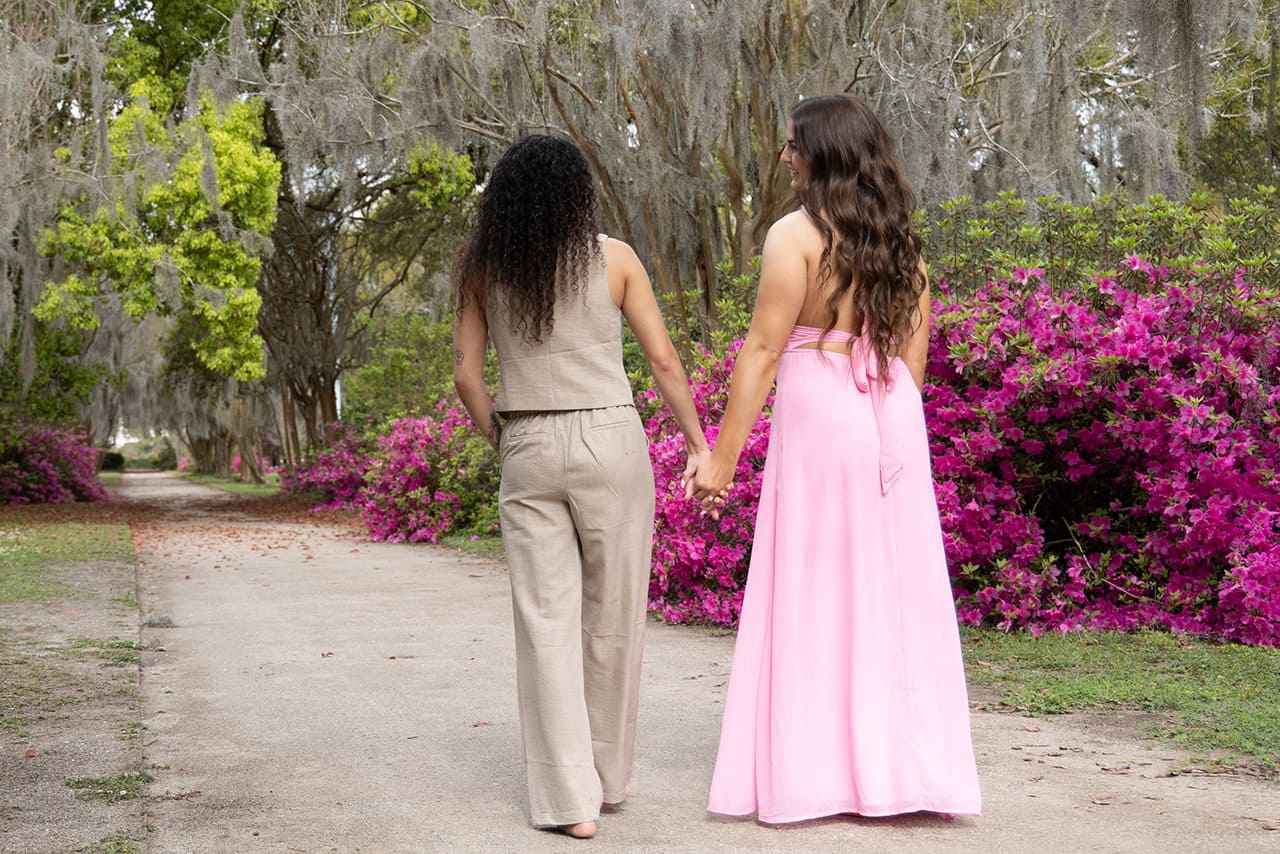
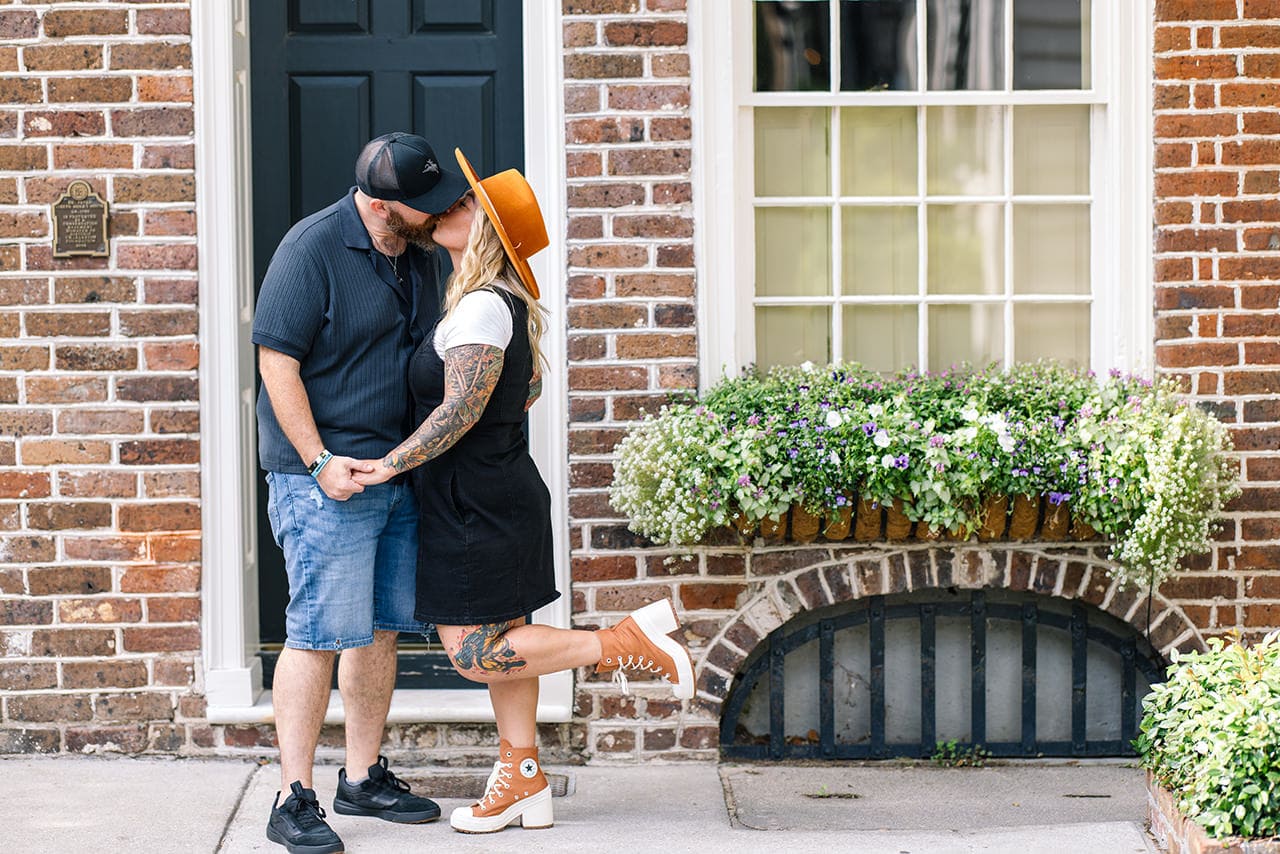
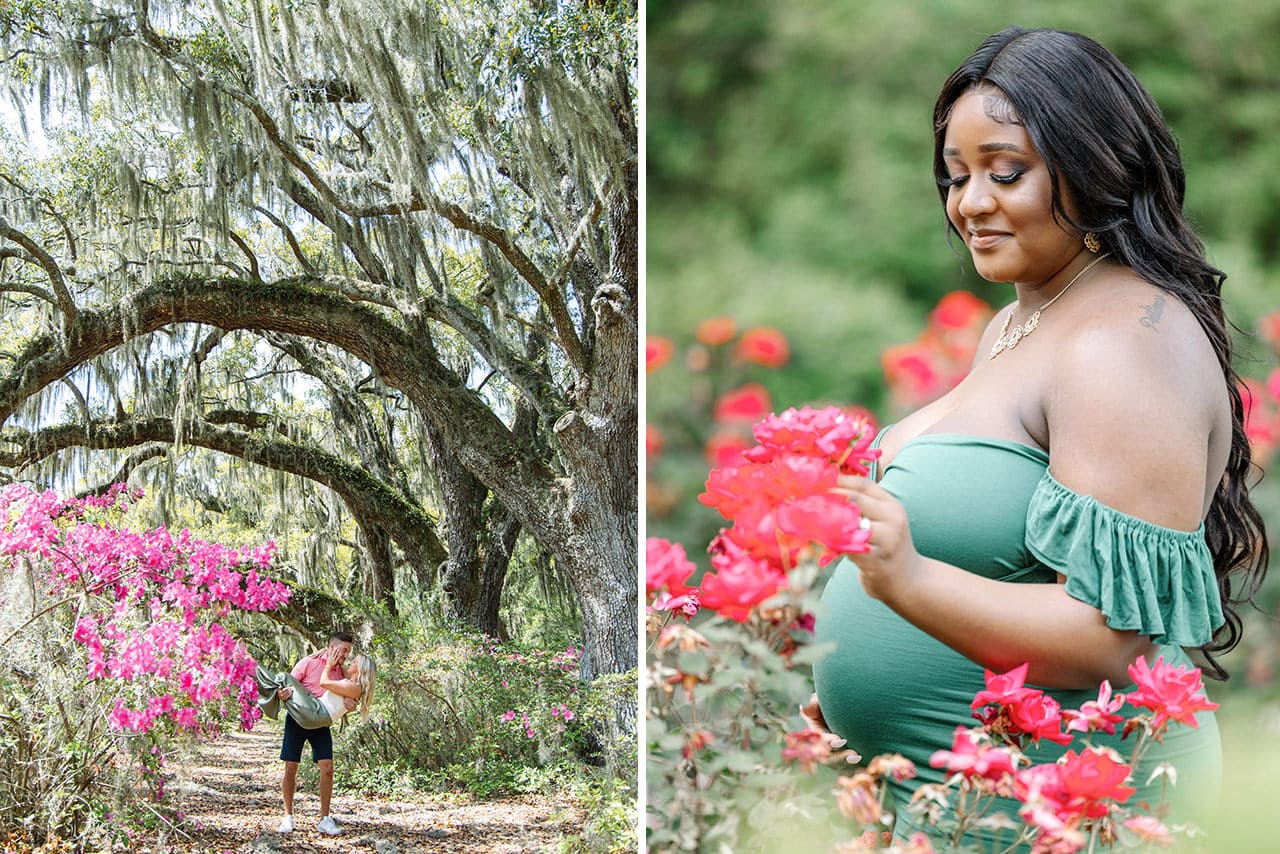
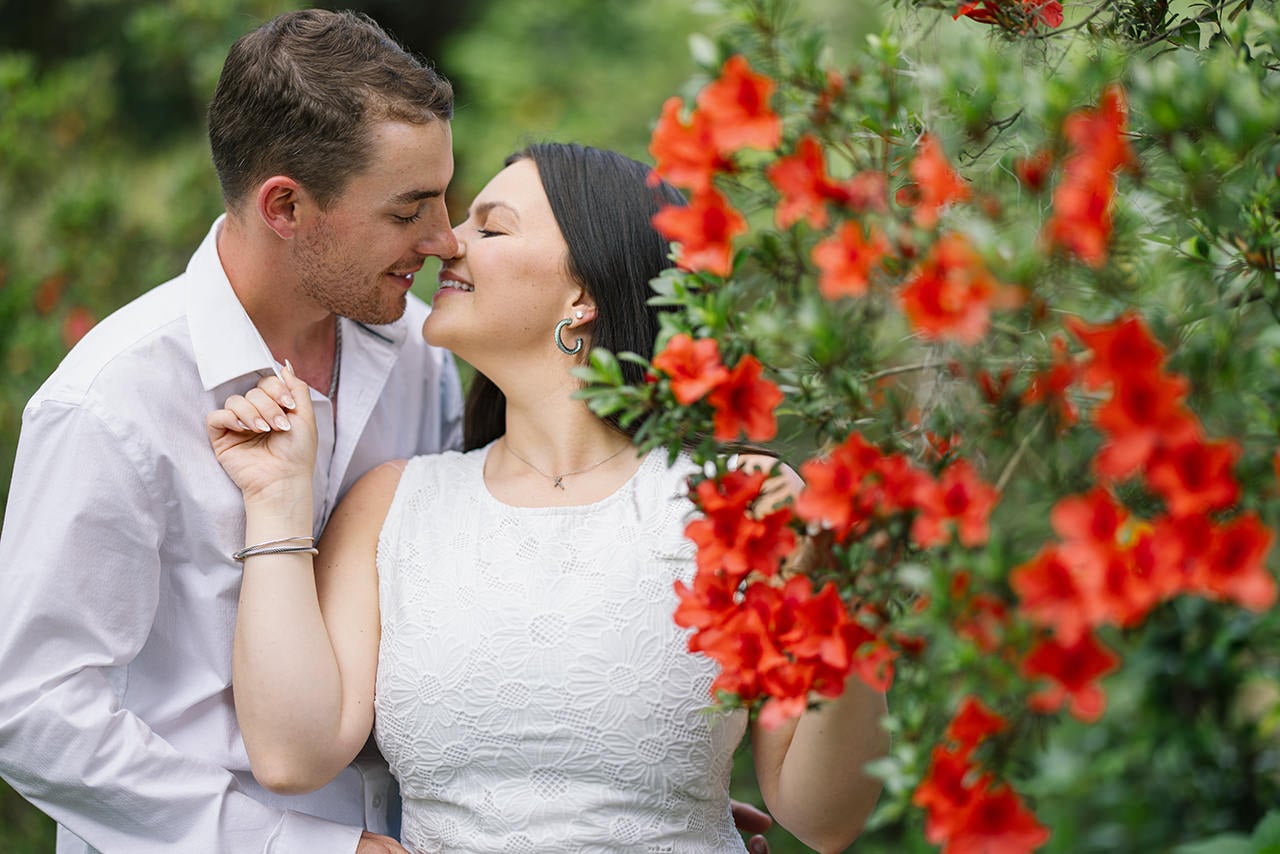
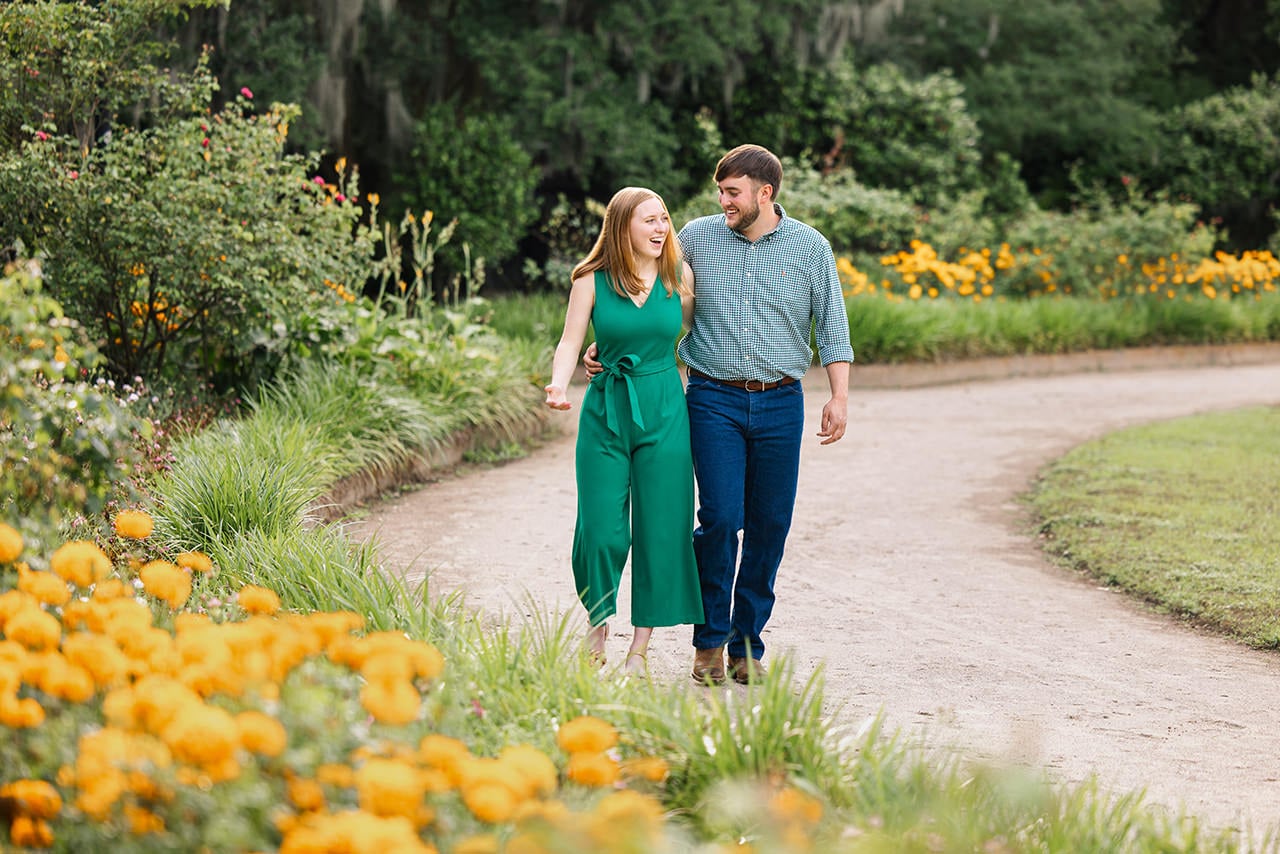
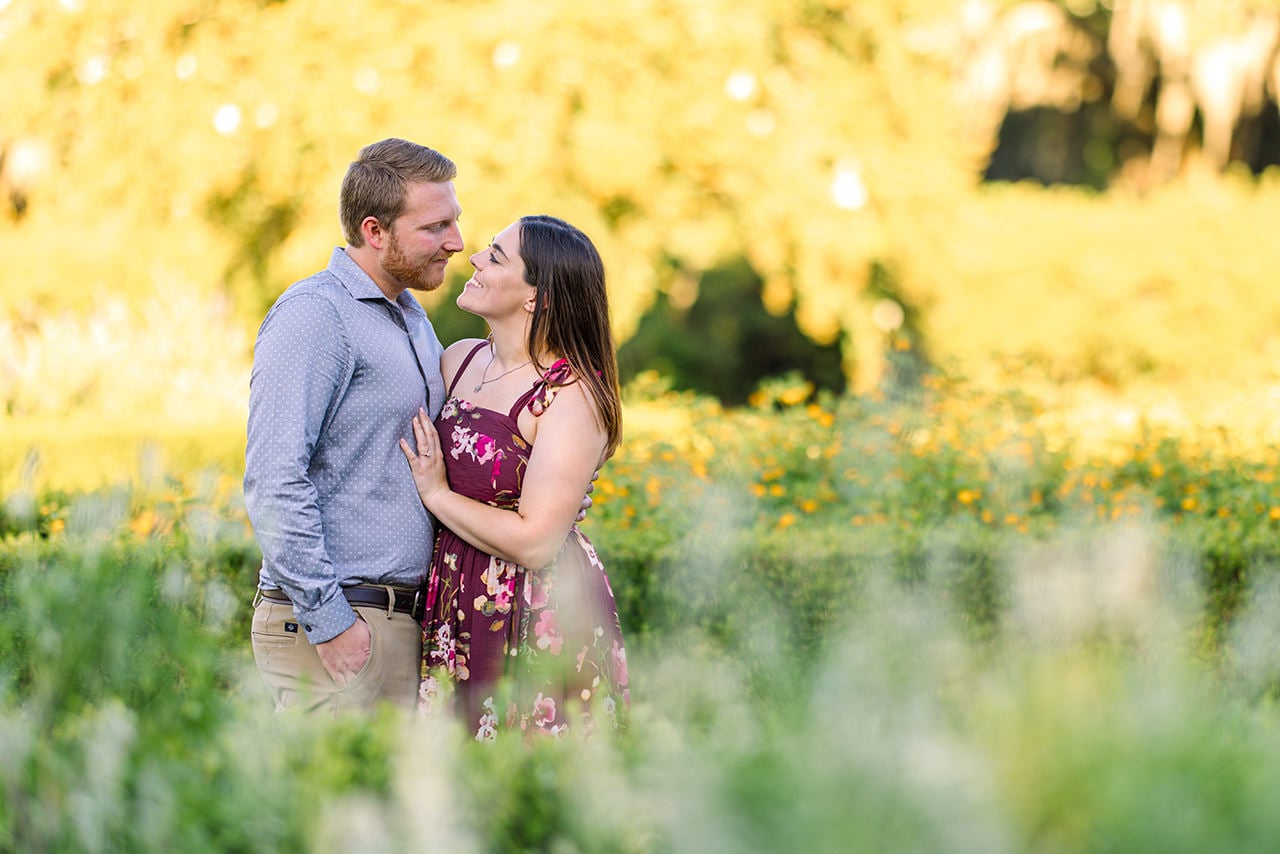
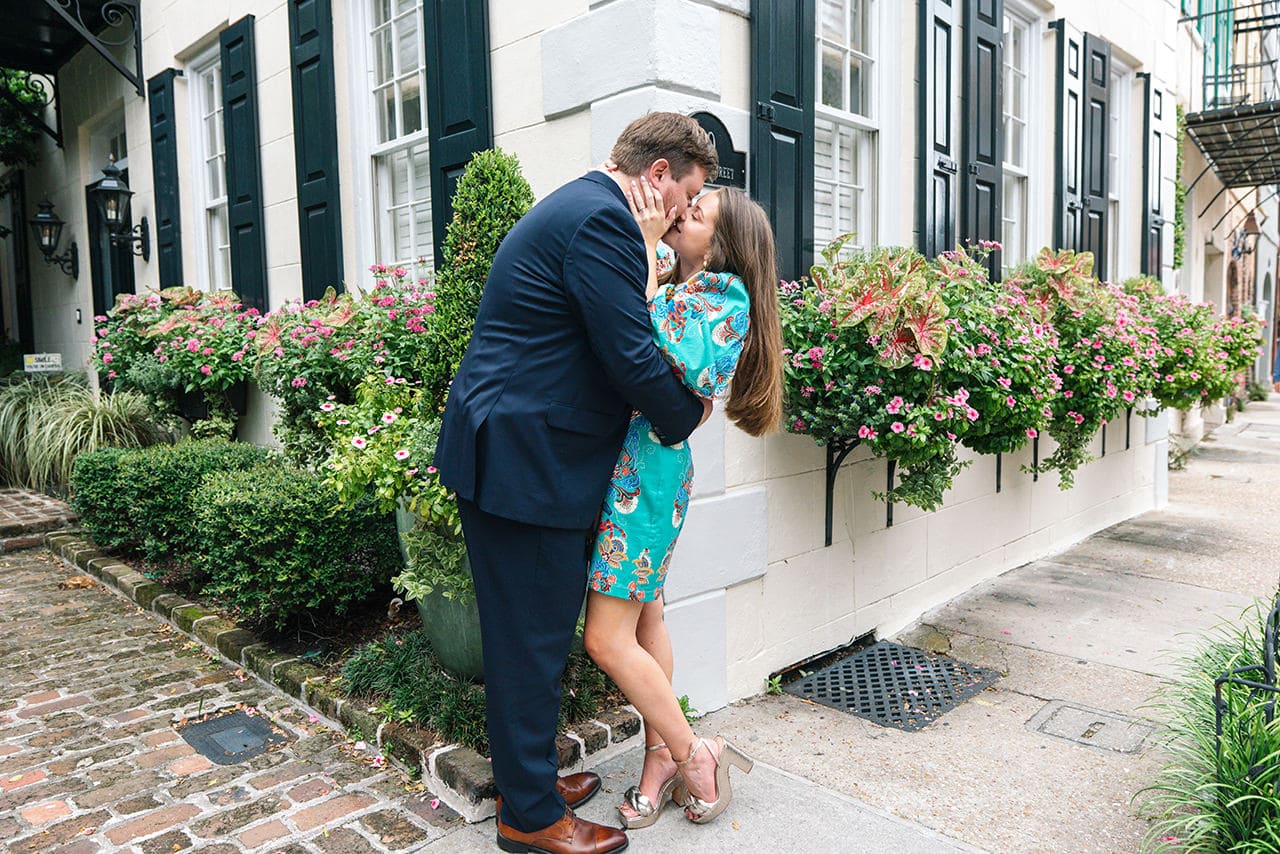
Early March marks the beginning of Charleston’s most photographed season. Thousands of azalea varieties—particularly Southern Indica hybrids—burst into a kaleidoscope of pinks, purples, corals, and fiery reds. When do azaleas bloom in Charleston? Historically, peak azalea season Charleston falls between late March and early April, though microclimates cause variation. For the most reliable displays, plan your visit around Magnolia Plantation azaleas (March April)—their unrestored gardens offer the most dramatic, naturalistic displays where azaleas grow beneath centuries-old oaks, making it a sought-after location for spring engagement photos at Magnolia Plantation. Don’t miss Middleton Place spring blooms either; their symmetrical gardens frame azaleas with architectural precision. And for urban charm, Battery / White Point Garden spring flowers create iconic backdrops where historic cannons stand guard beside vibrant azalea banks.


Late March–Early April: Wisteria’s Brief Magic
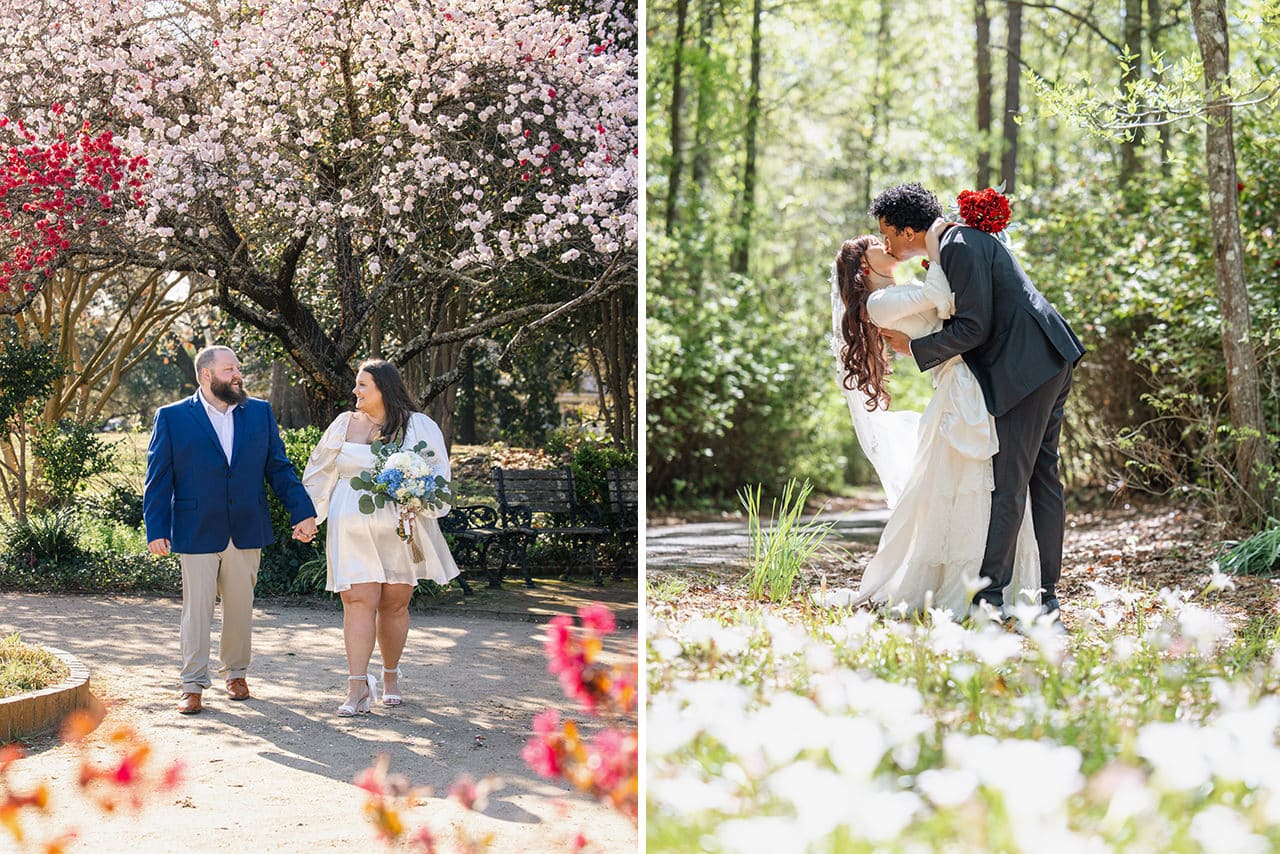
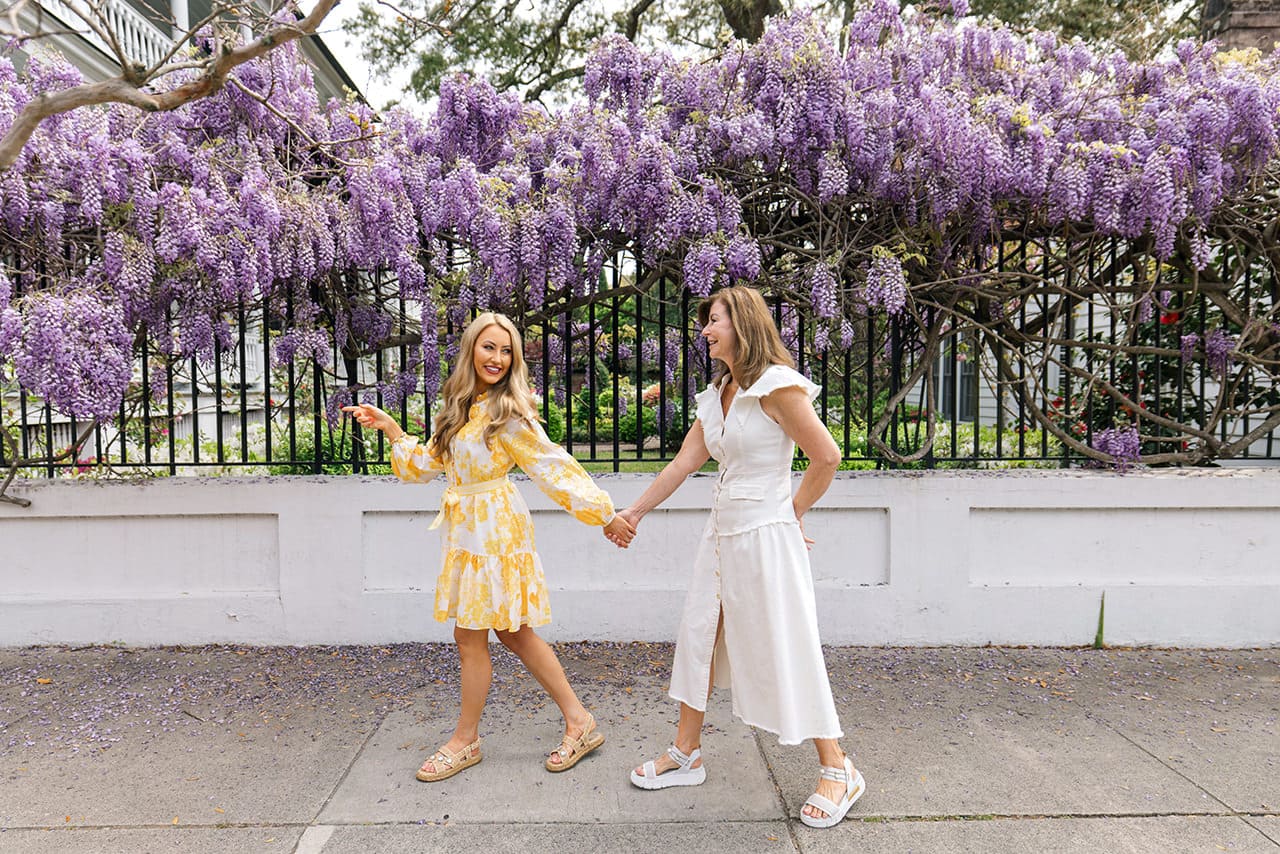
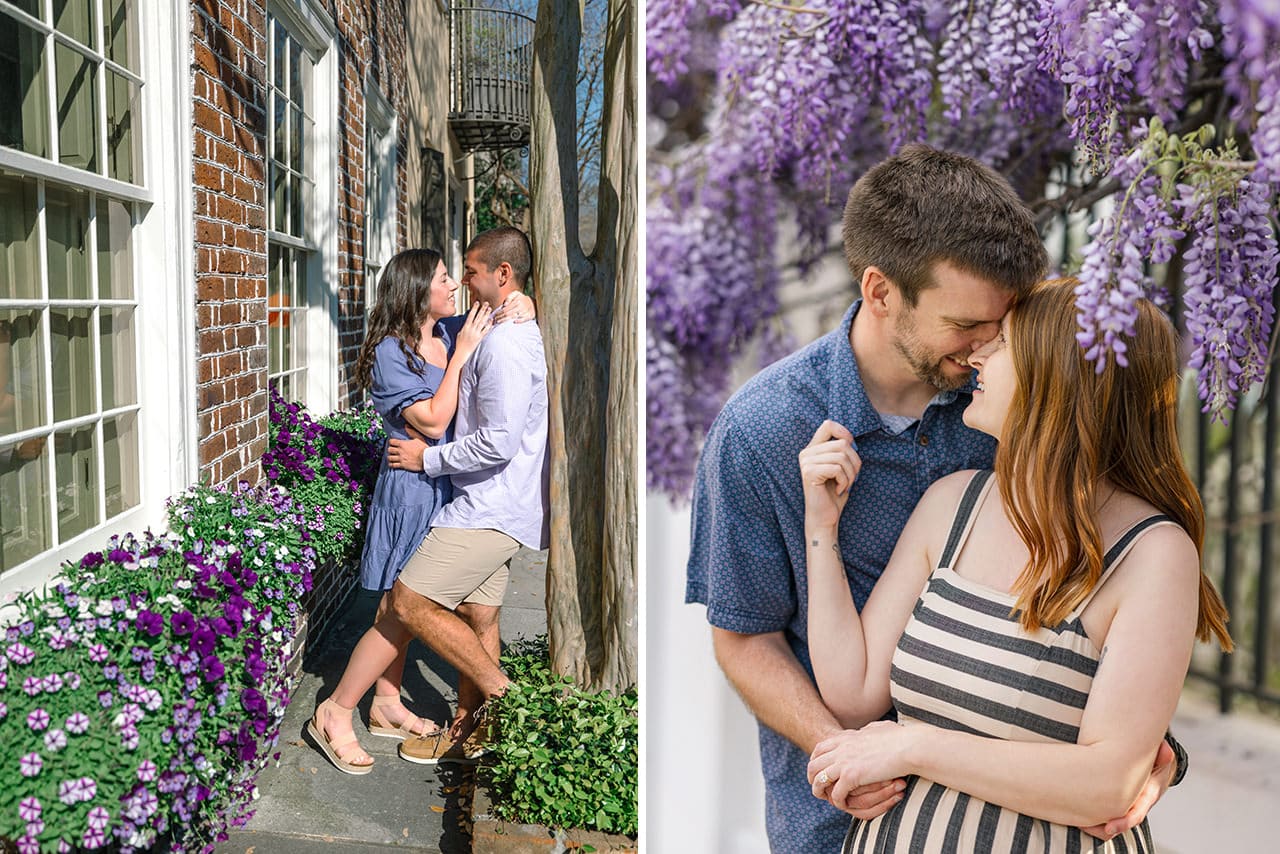
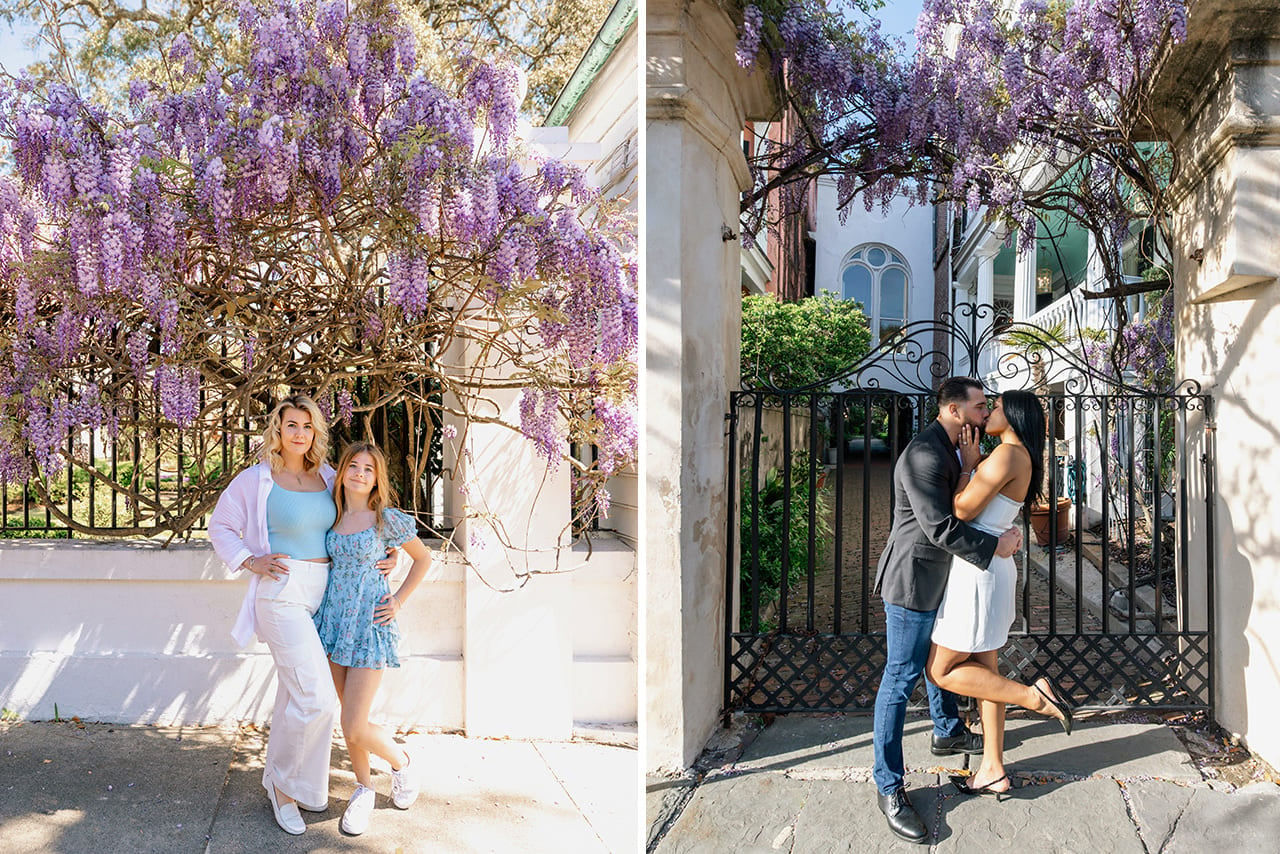
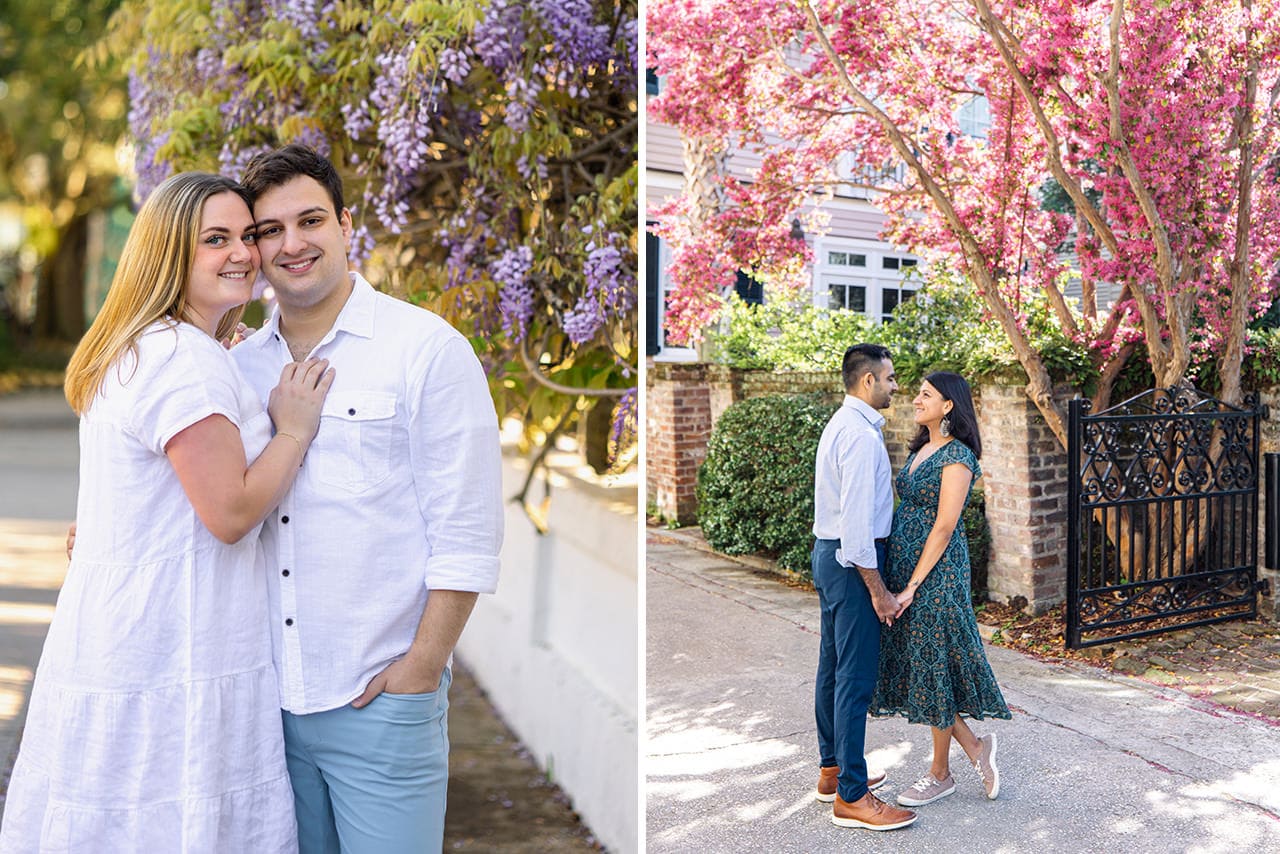
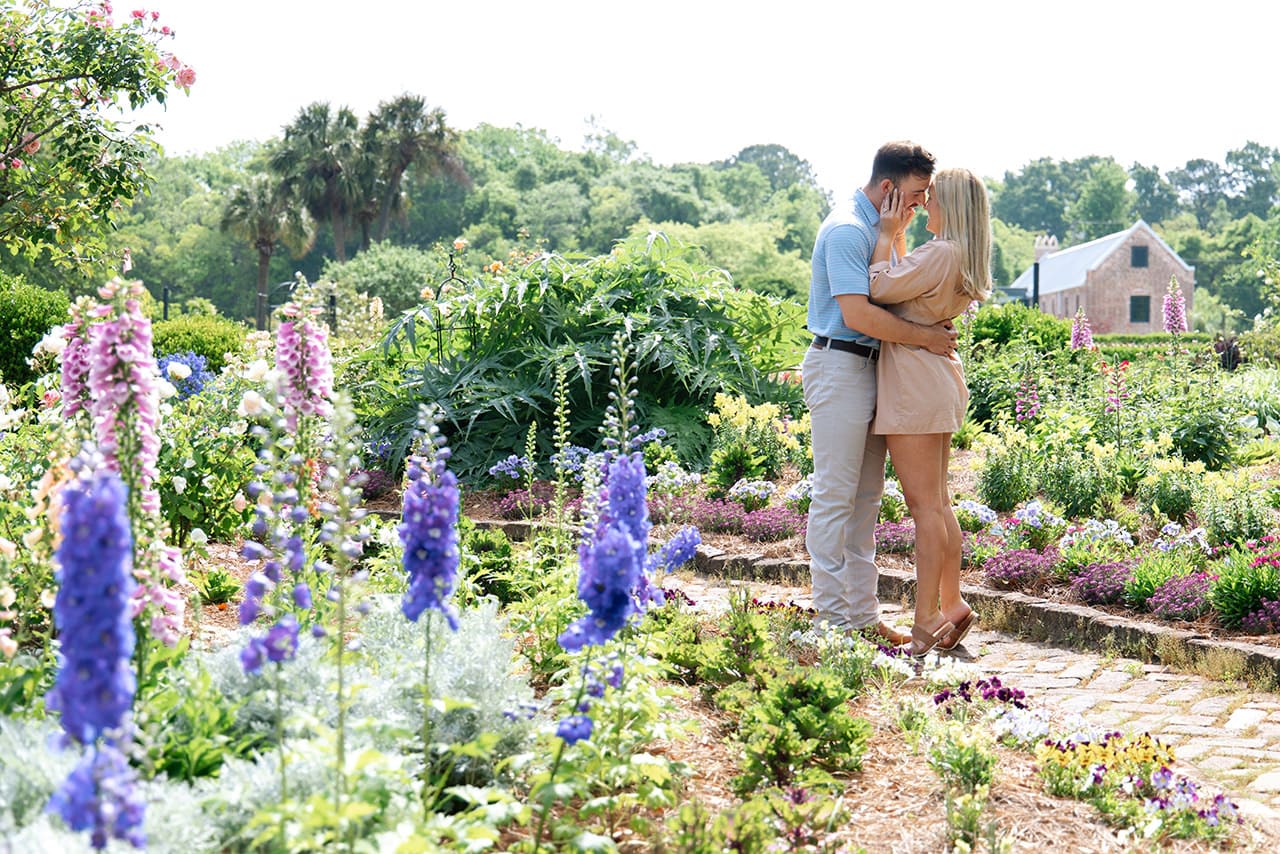
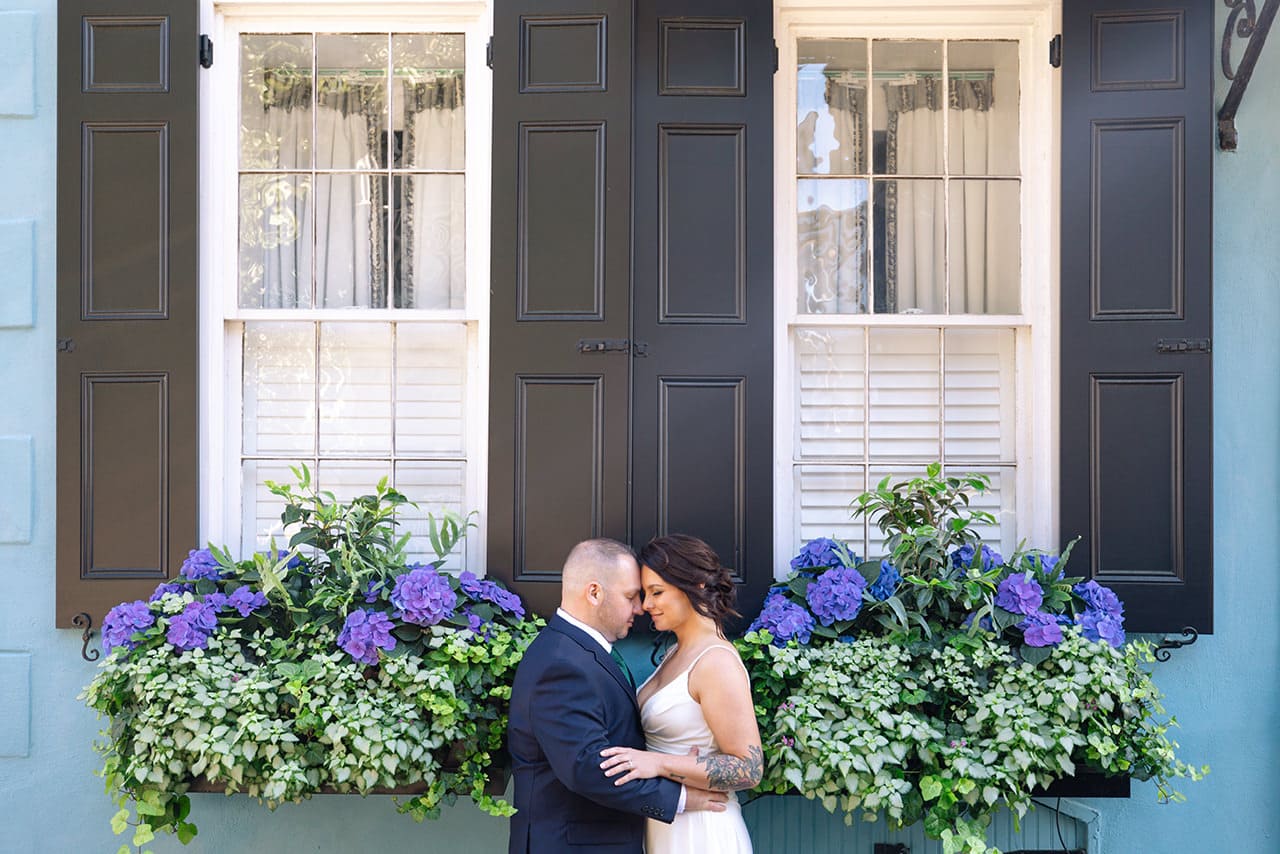
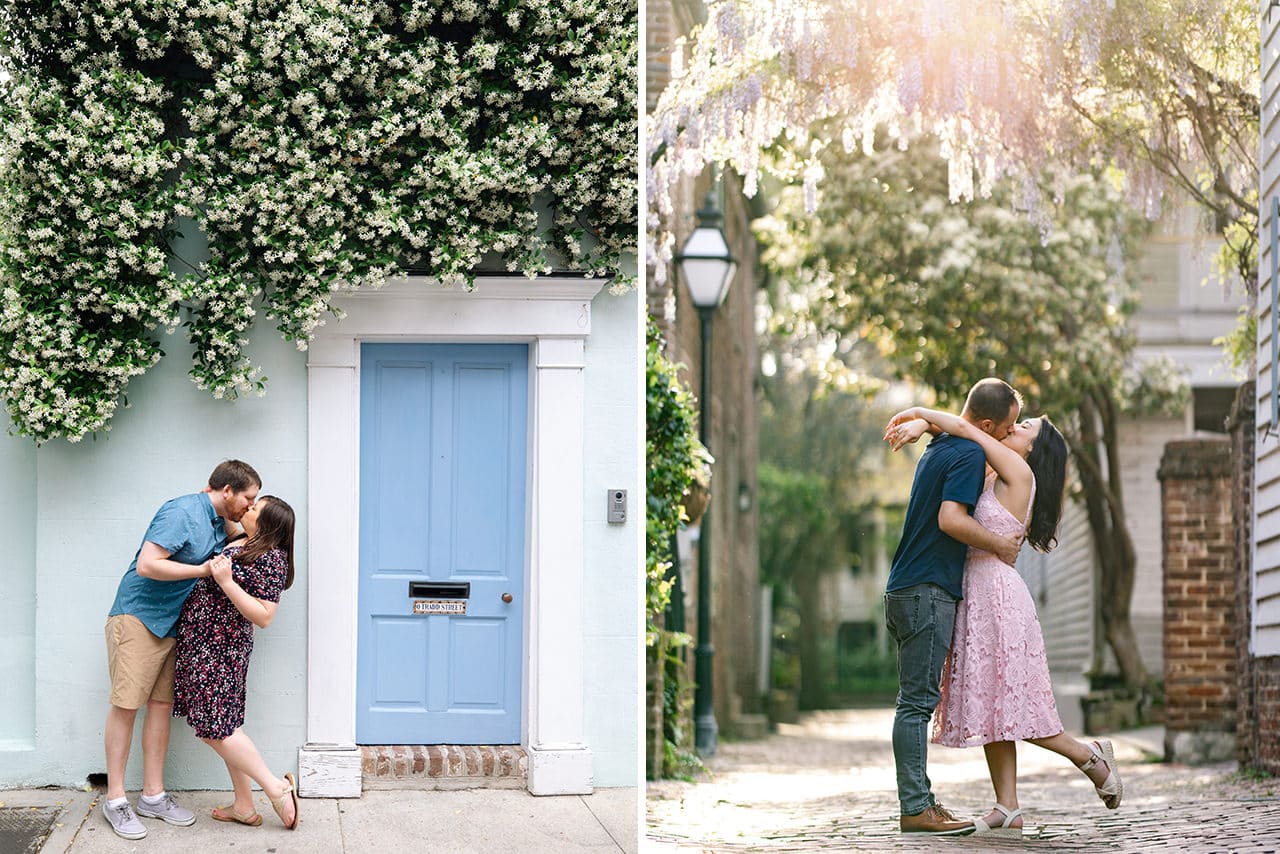
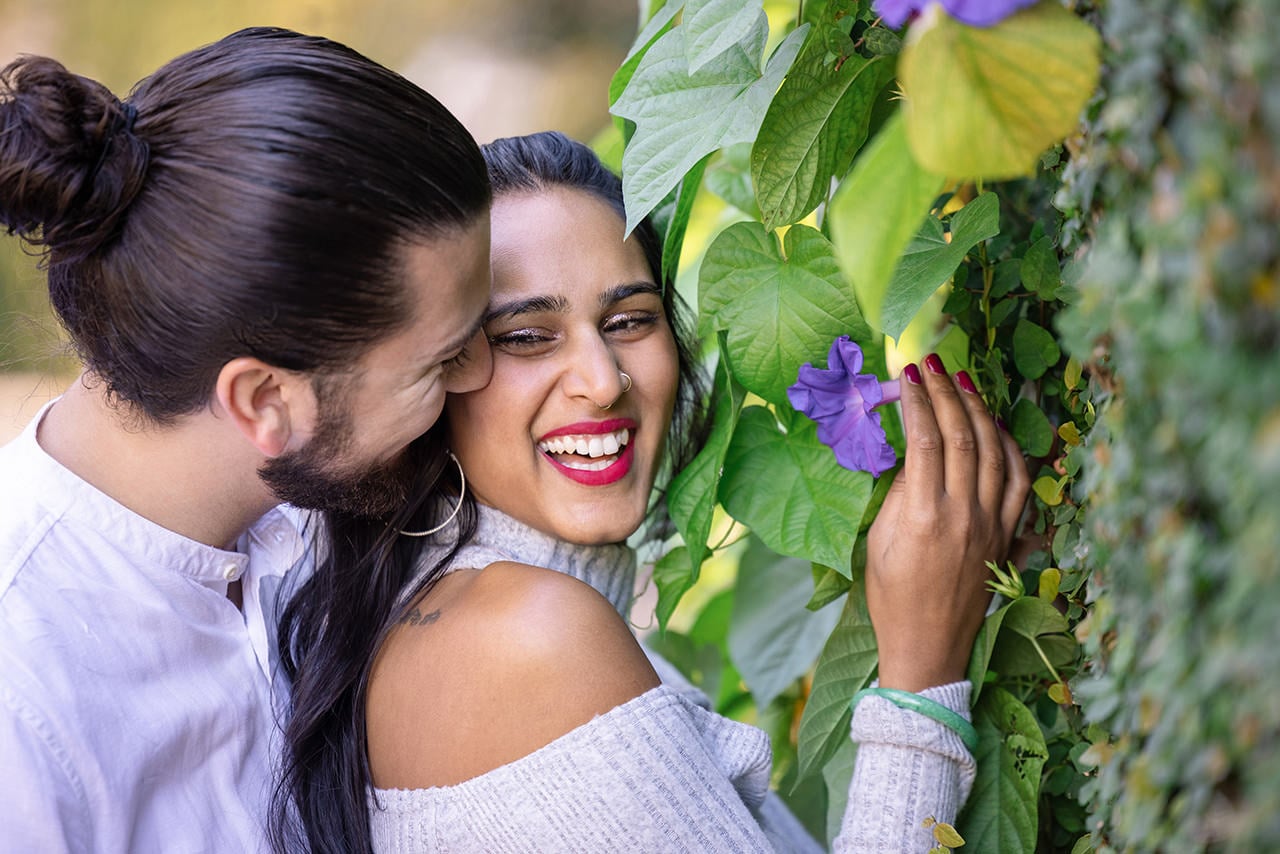
When does wisteria bloom in Charleston? Typically, late March to early April—but its window is notoriously brief (just 2–3 weeks) and weather-sensitive. These cascading lavender-purple blossoms drape over garden walls, pergolas, and historic structures with poetic grace. Couples looking to elope during peak bloom will find these weeks ideal for an intimate ceremony surrounded by nature’s most vibrant palette. Middleton Place and private gardens south of Broad Street offer iconic wisteria backdrops. Pro tip: Overcast days actually enhance wisteria photography by eliminating harsh shadows within those dense floral clusters.

April: Dogwoods, Roses, and Gardenias Emerge
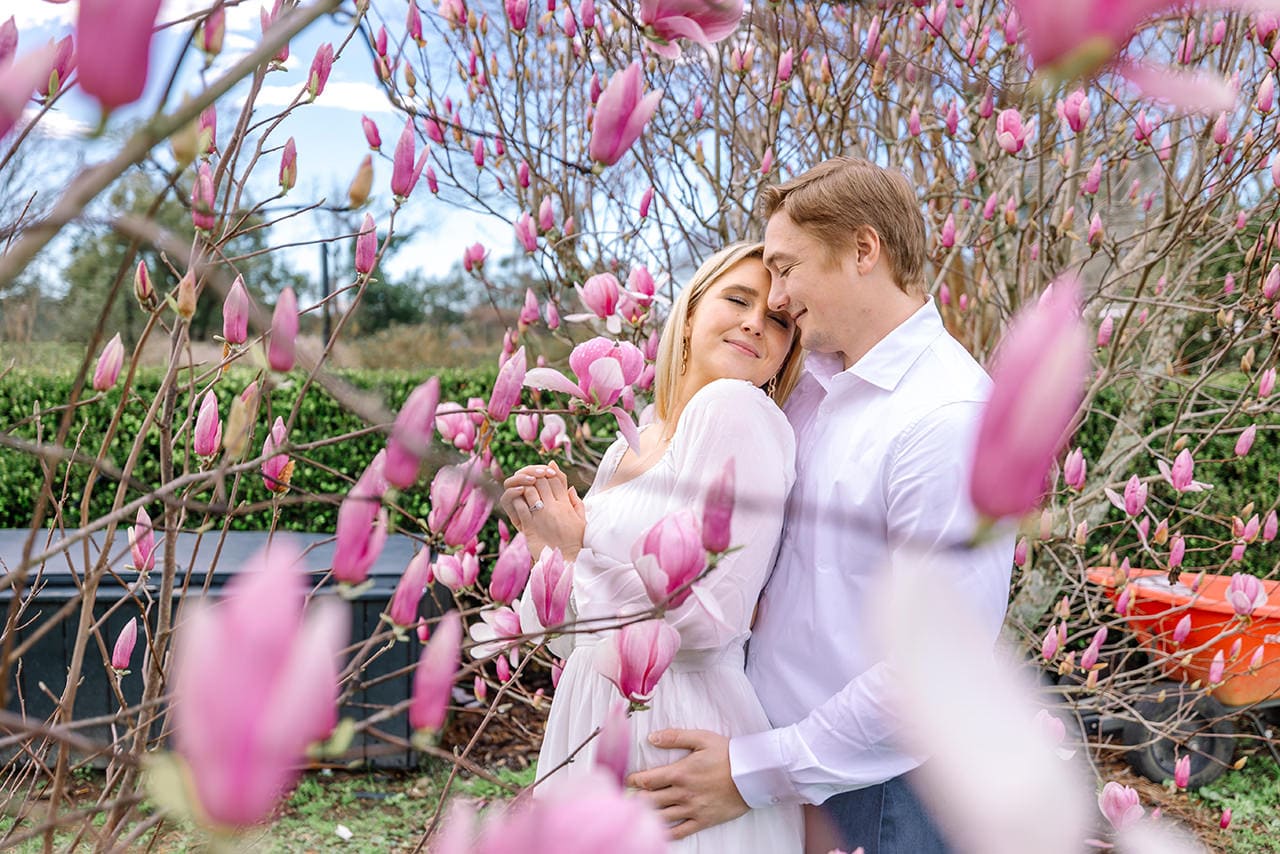
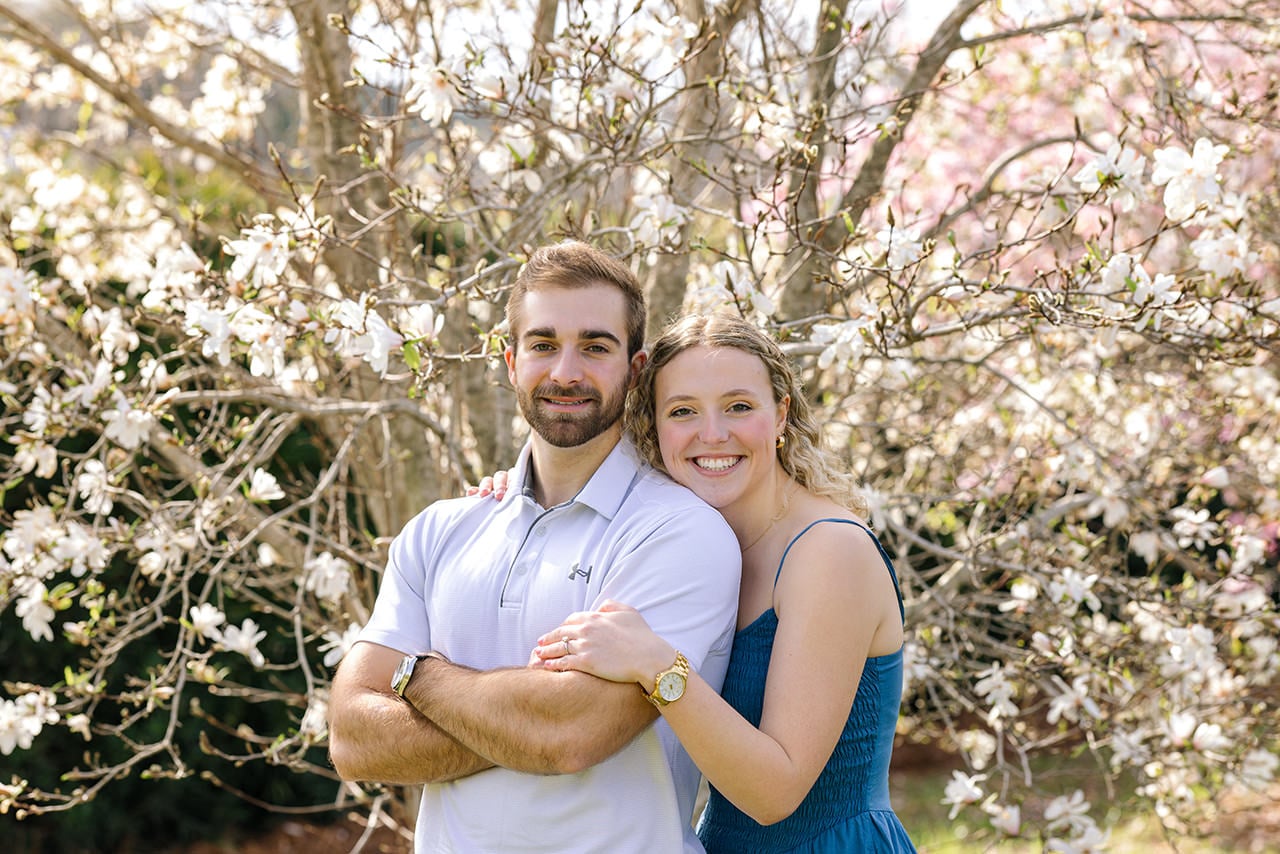
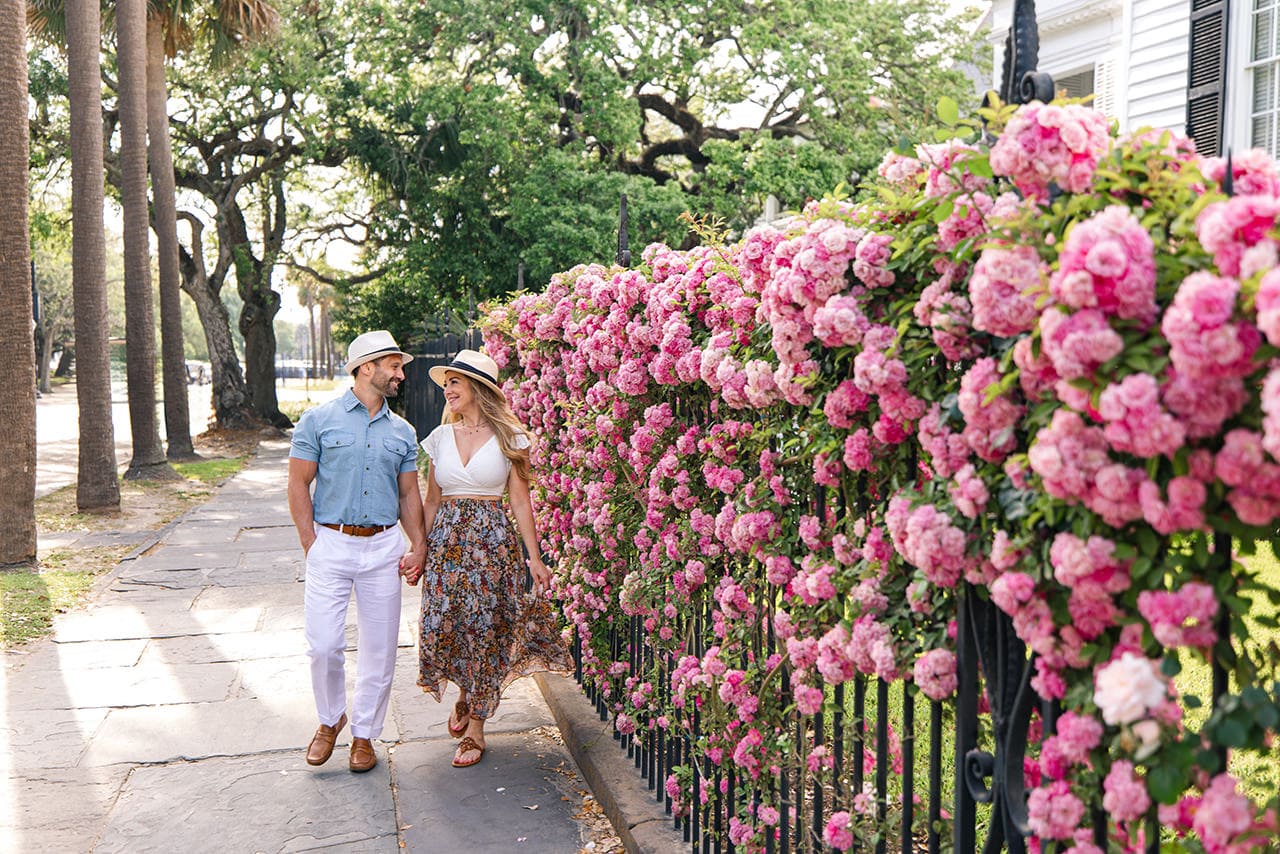
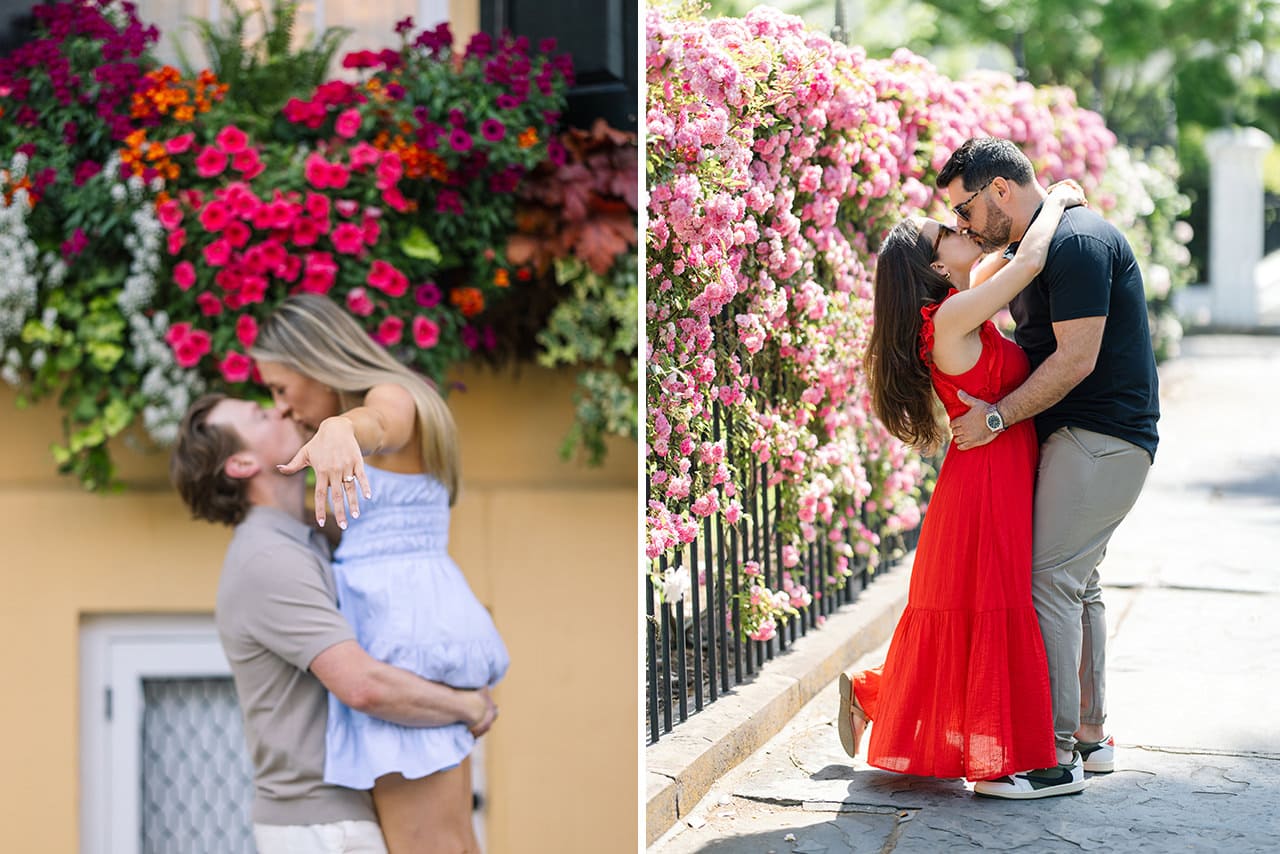
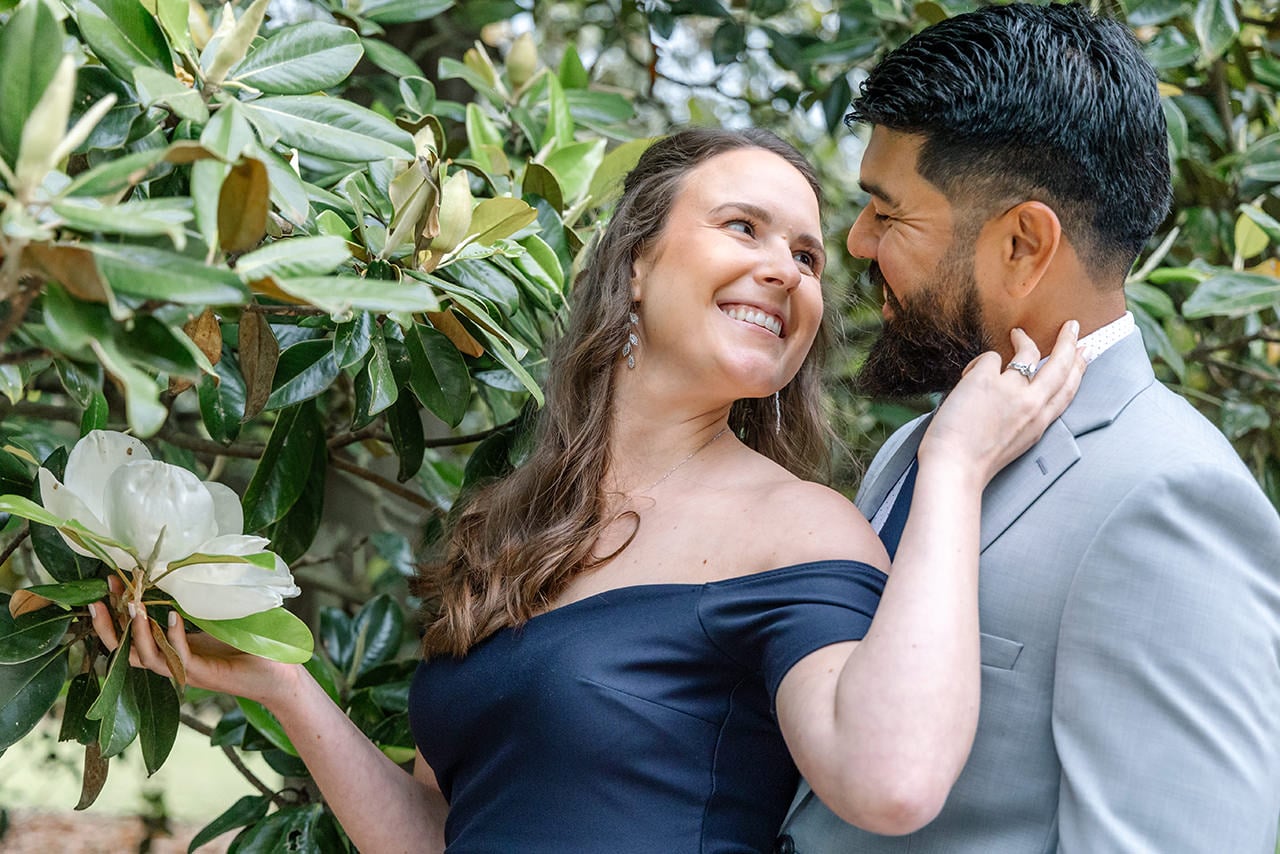
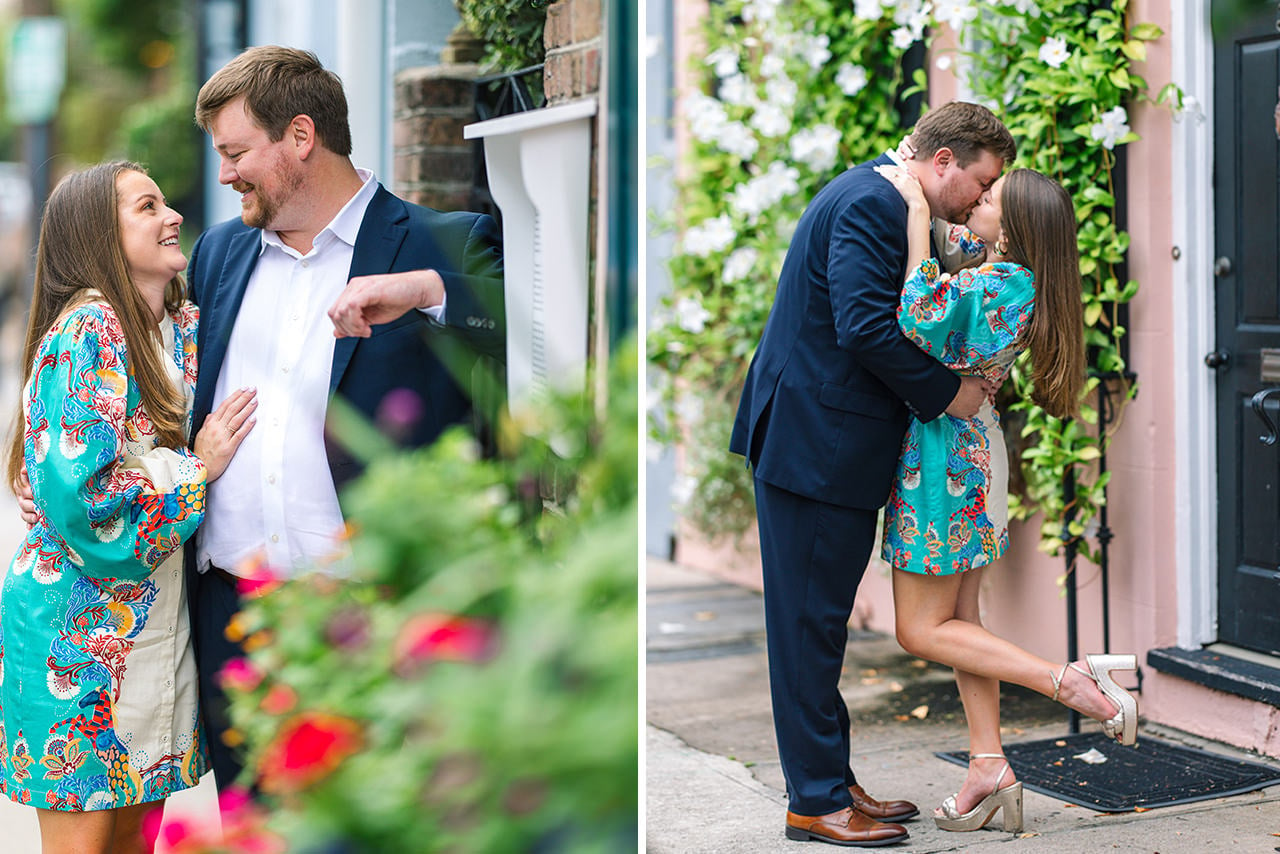
As azaleas begin fading in mid-to-late April, flowering dogwoods step into the spotlight with their elegant white and pink bracts. Magnolia bloom in Charleston also graces select gardens this month—though our native Southern magnolias peak later in May and June with their spectacular, lemon-scented white blossoms. Simultaneously, antique roses flush alongside azalea beds—a tradition in Charleston gardens where these companions have bloomed together for centuries. Confederate jasmine also begins its intoxicating display this month, though its peak arrives in May.



May: Gardenias and Confederate Jasmine Peak
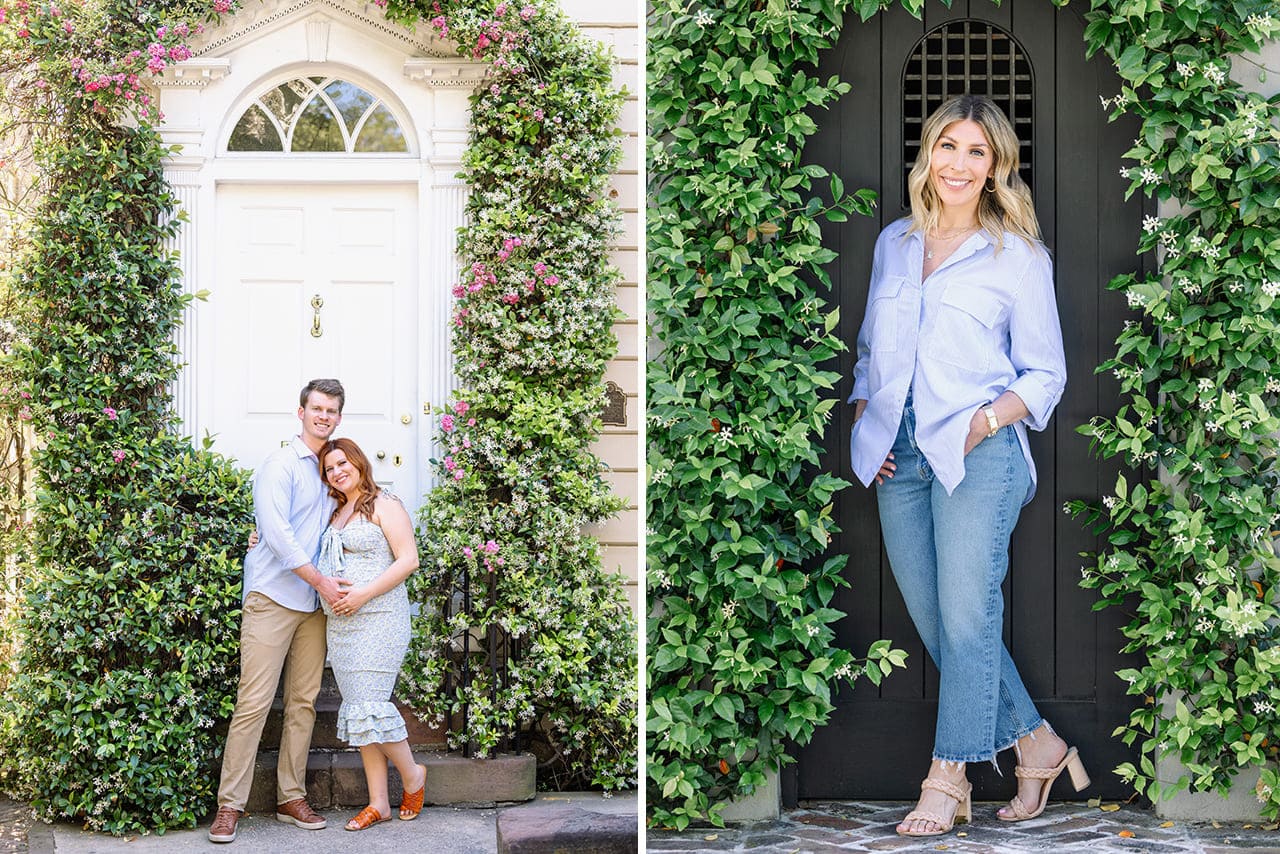
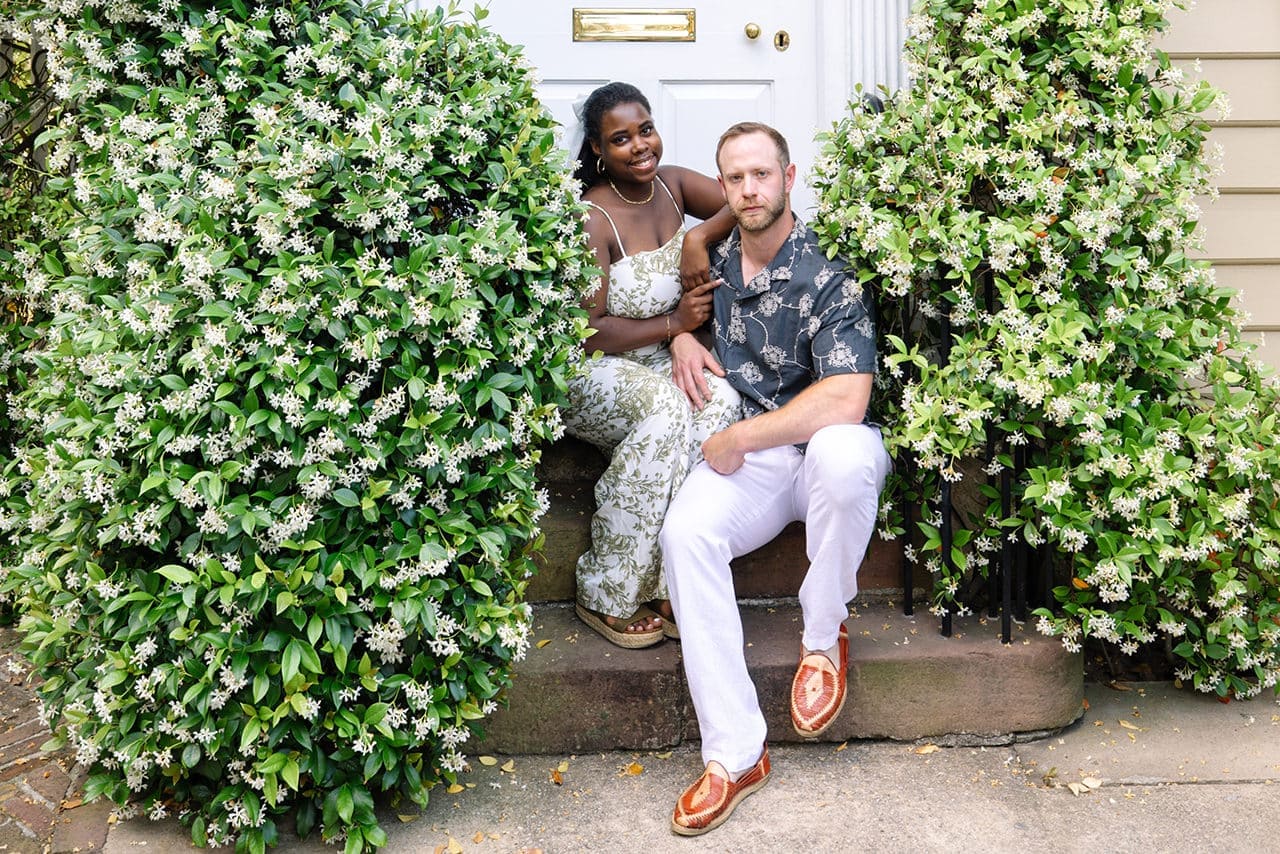
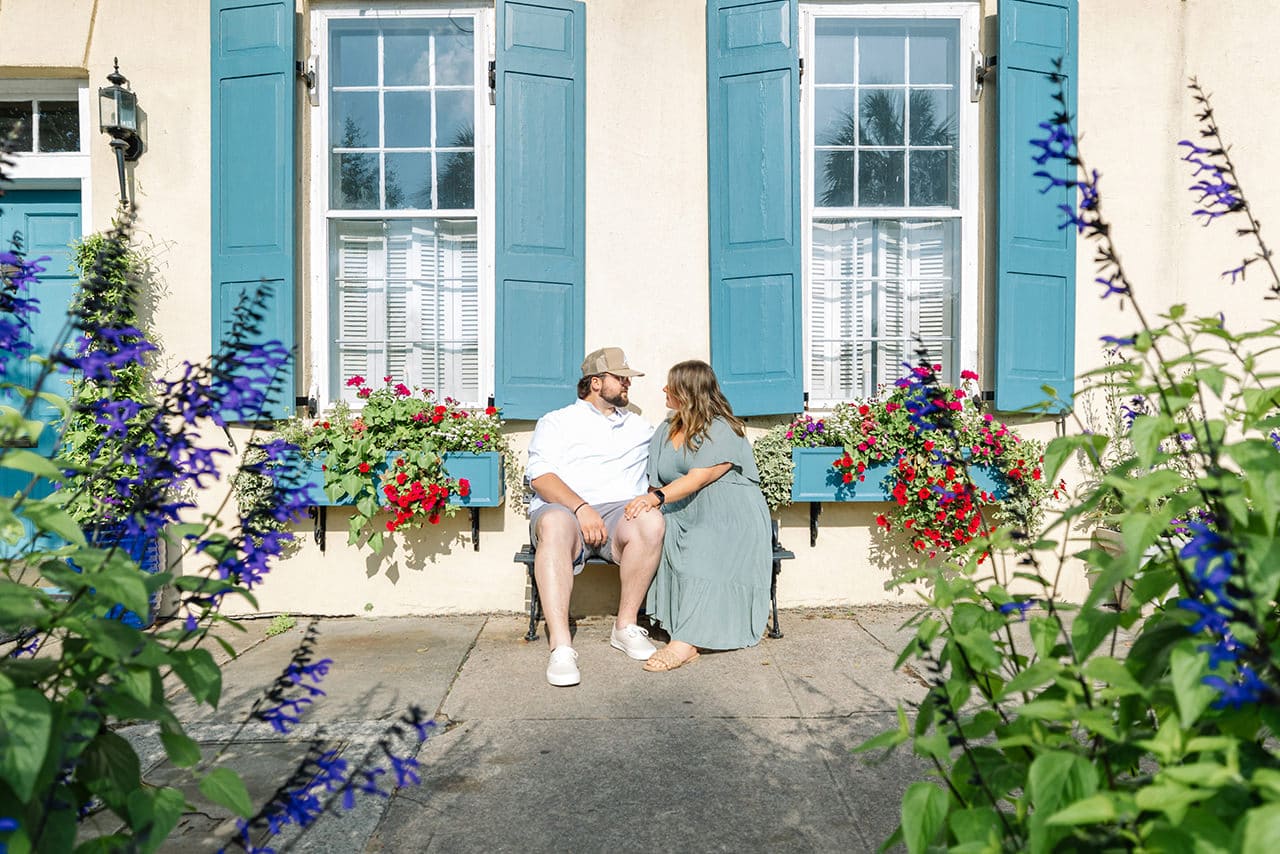
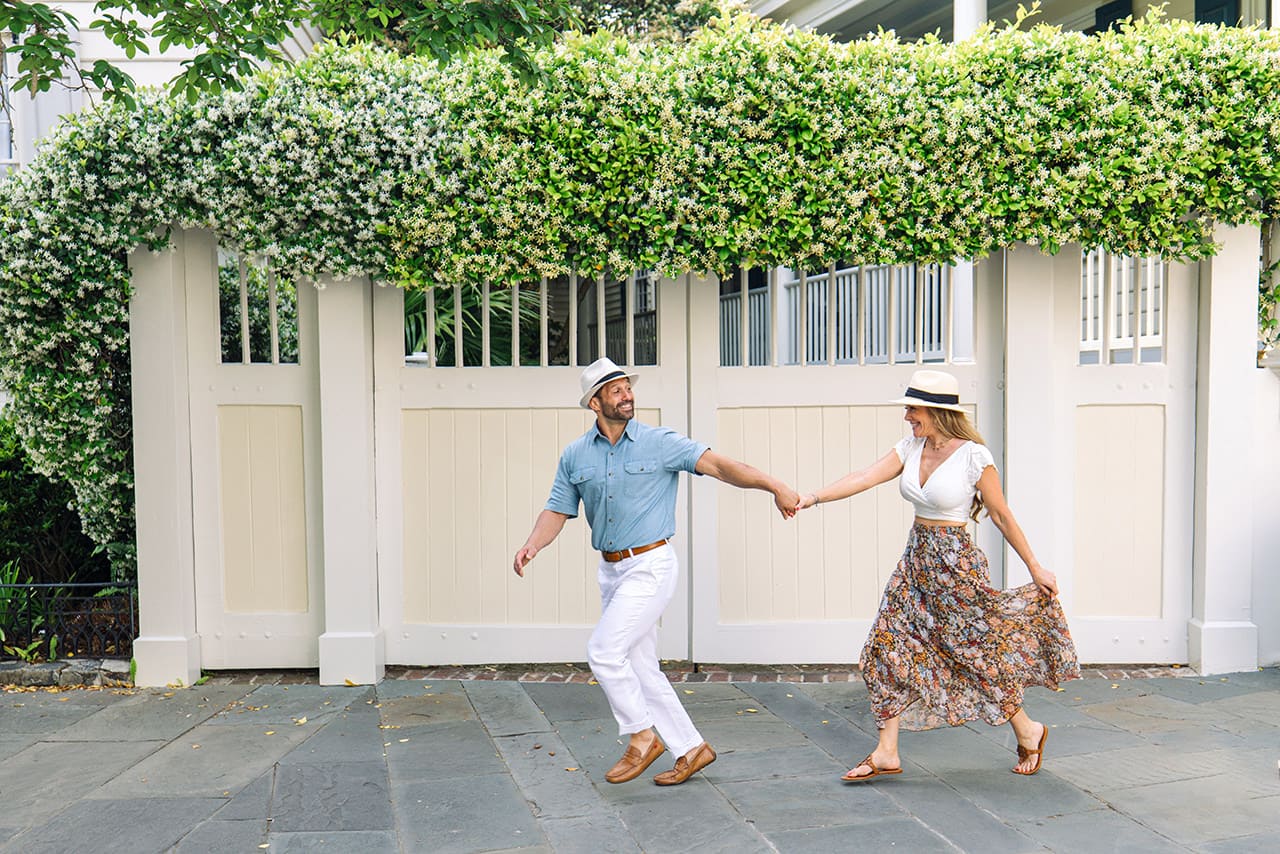
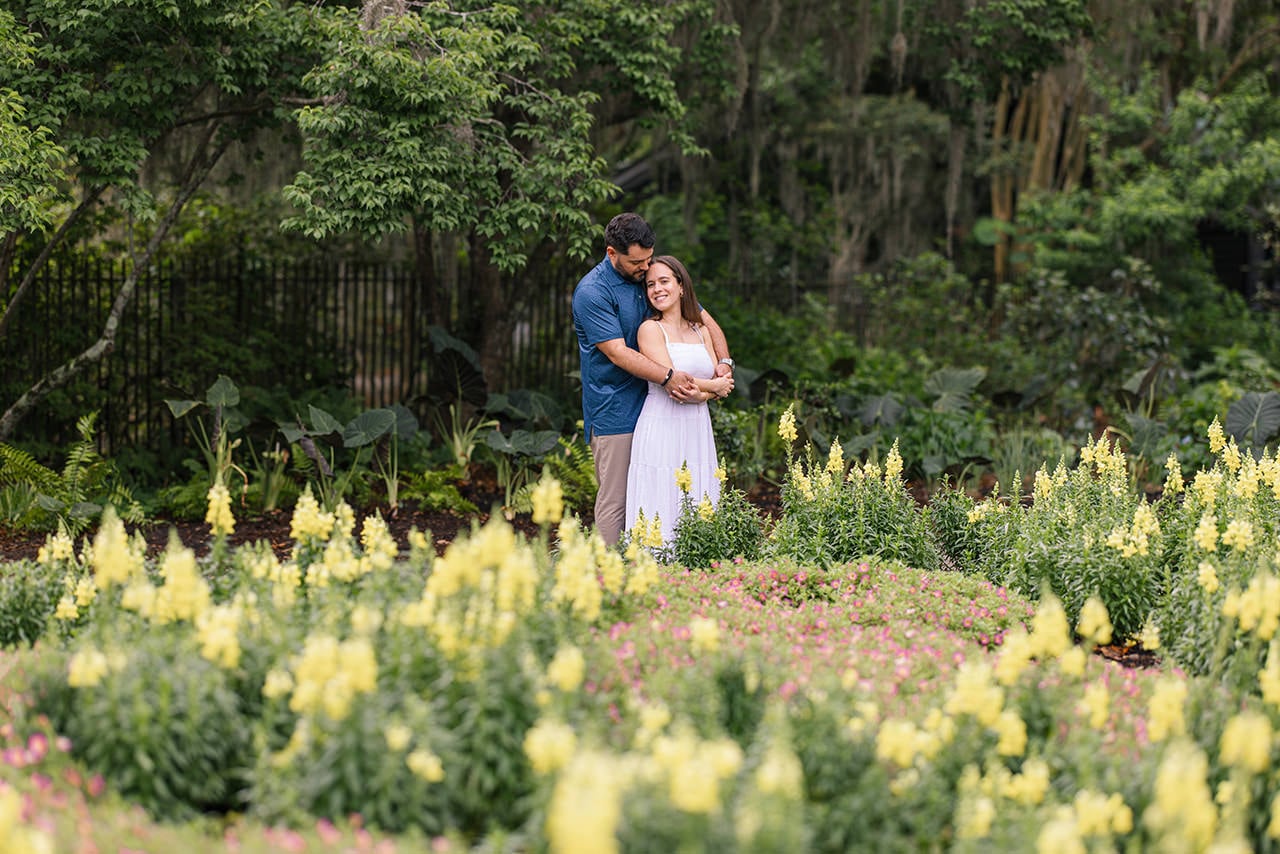
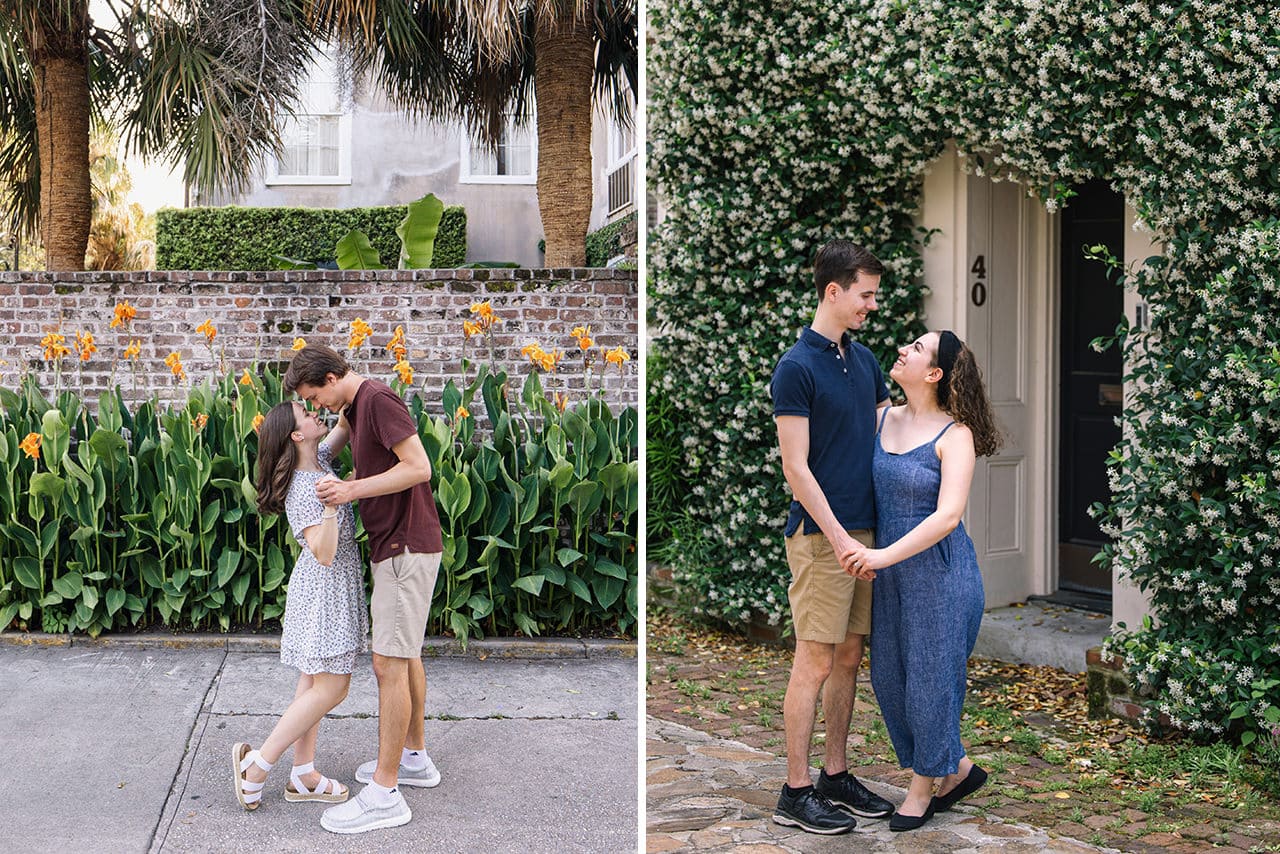
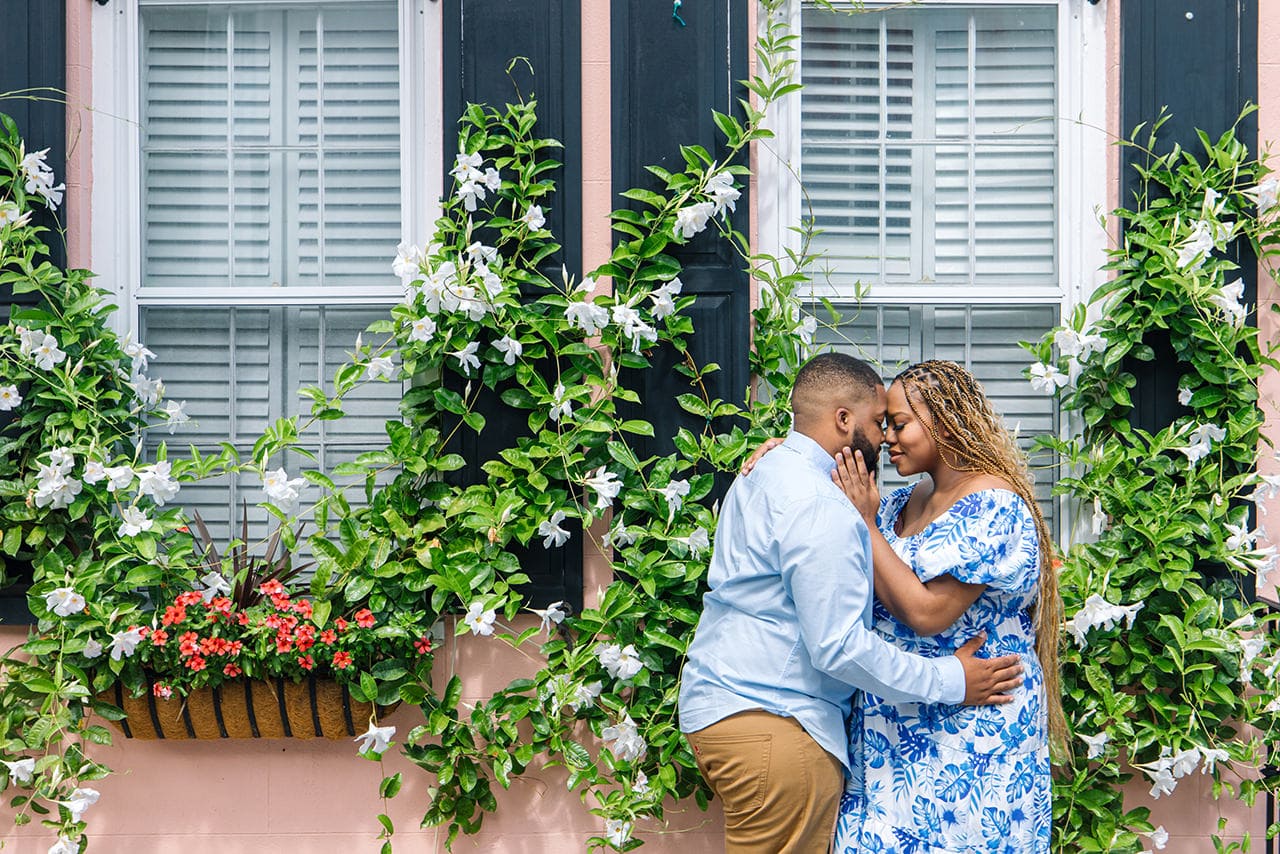
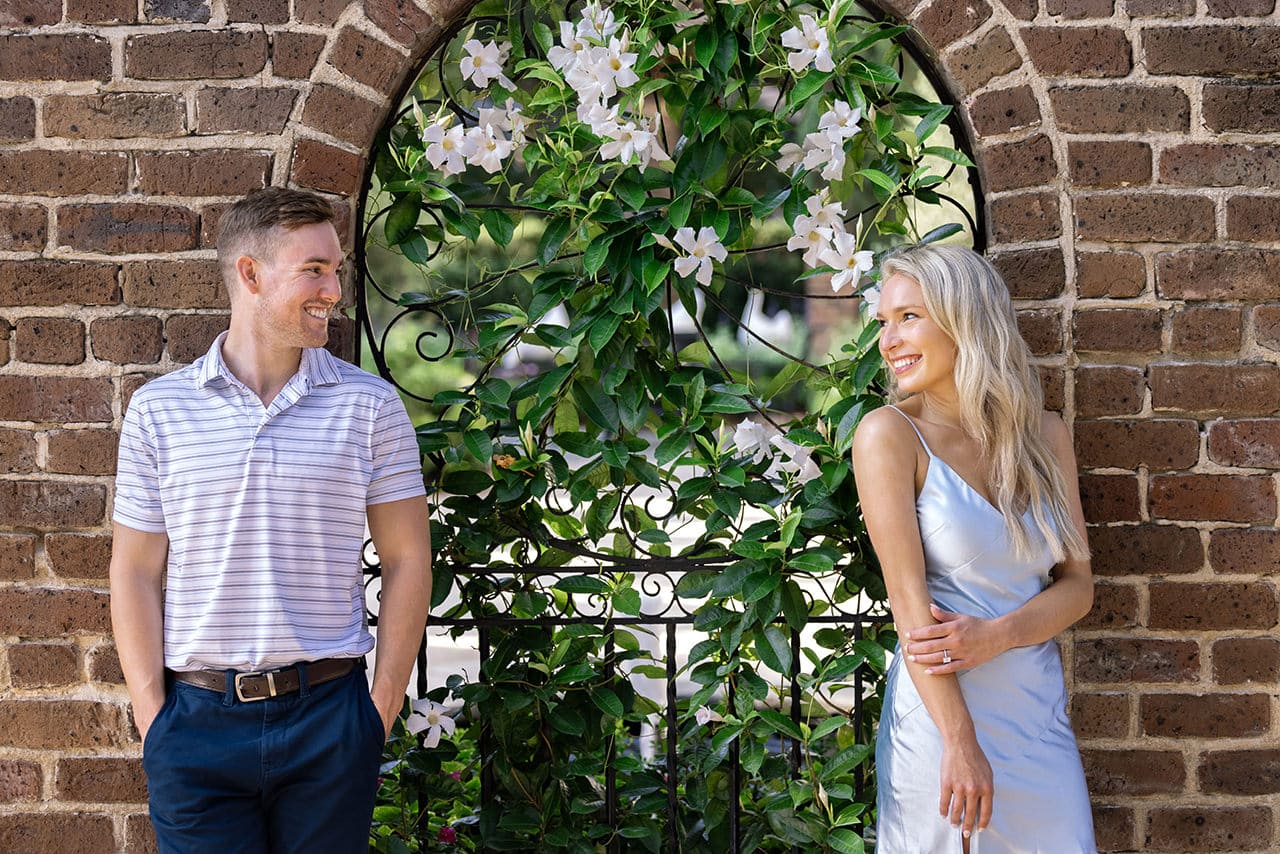
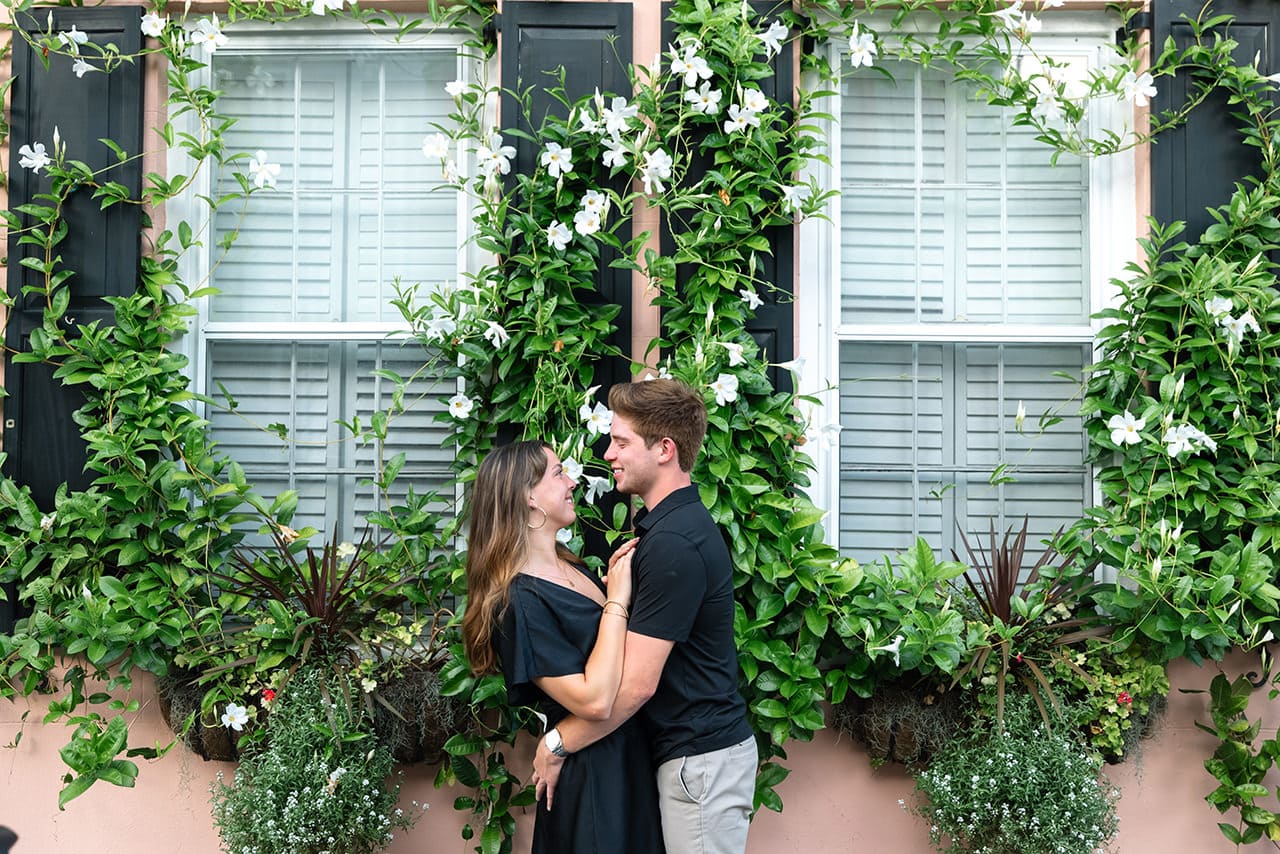
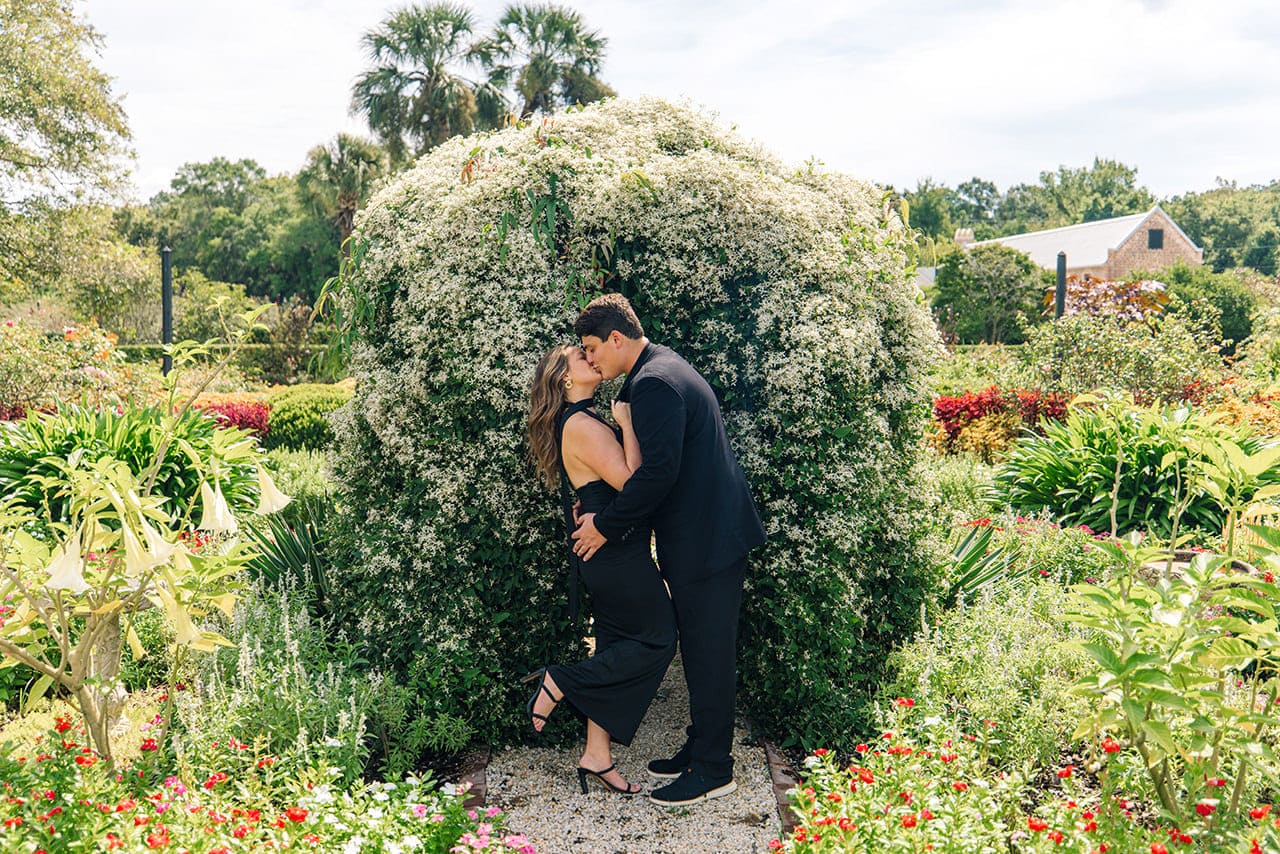
May belongs to fragrance. Jasmine blooms in Charleston reach their olfactory crescendo as Confederate jasmine blankets neighborhoods in sweet perfume while providing luminous white backdrops for portraits. Shortly after, gardenias begin unfurling their creamy, waxy blooms with that unmistakable rich scent. These flowers photograph beautifully in soft morning light when dew still glistens on petals.

Summer Radiance: June Through August
June–August: Crepe Myrtle Dominance
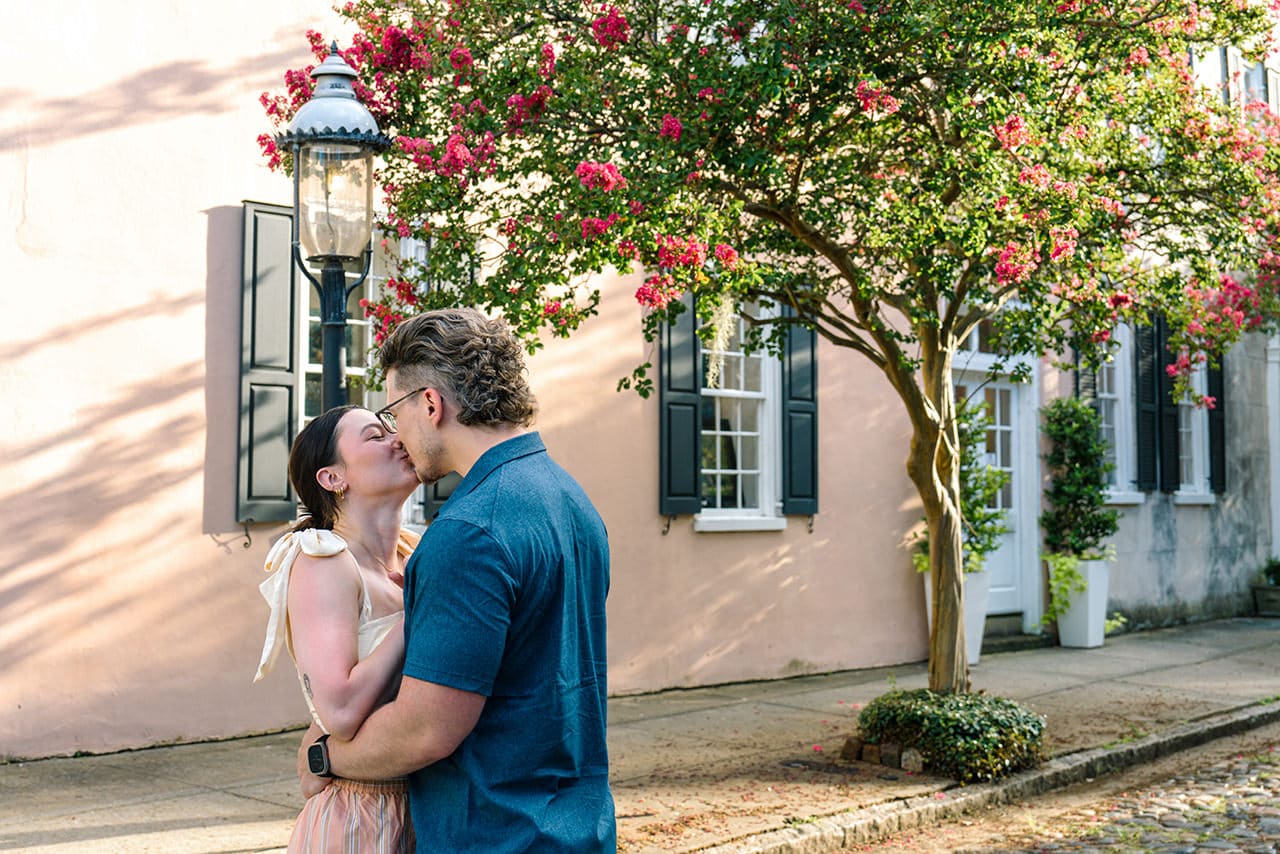
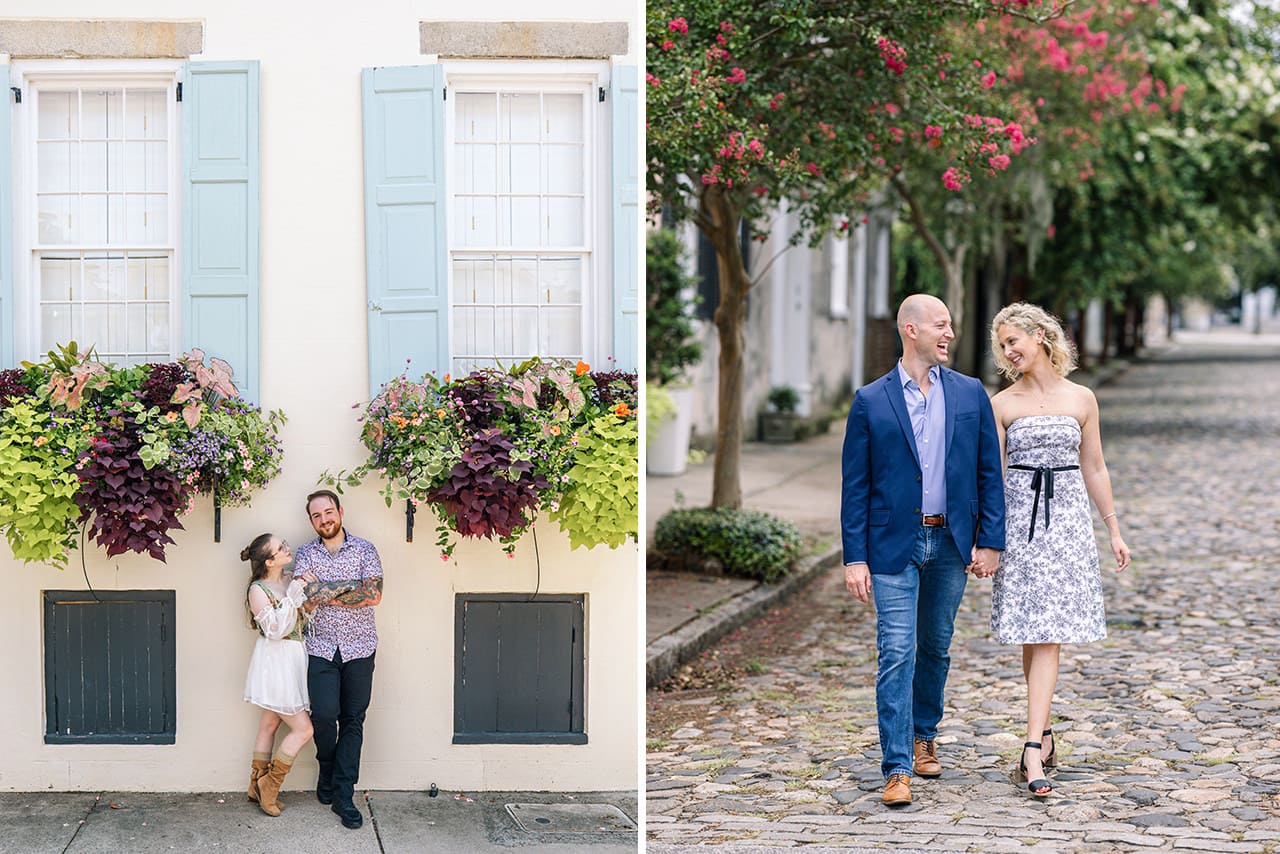
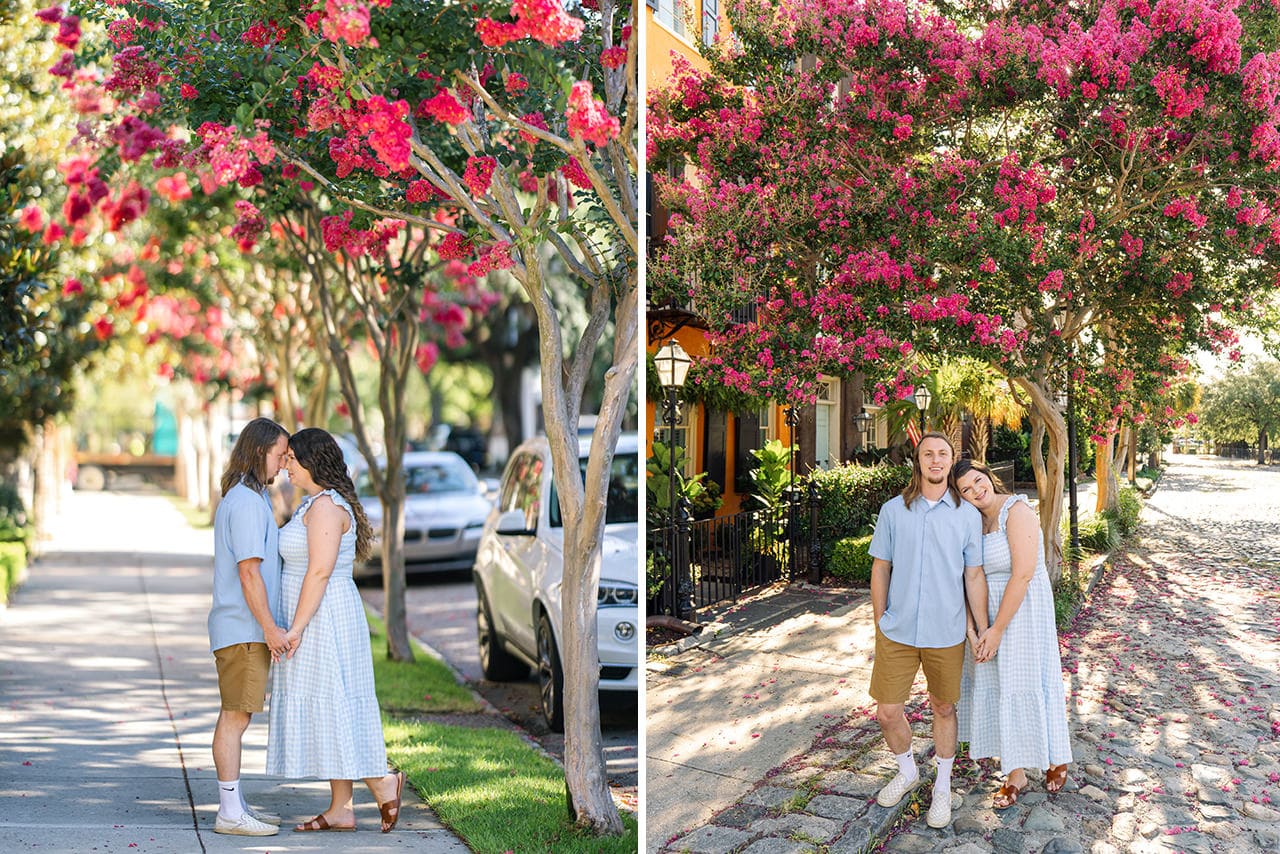
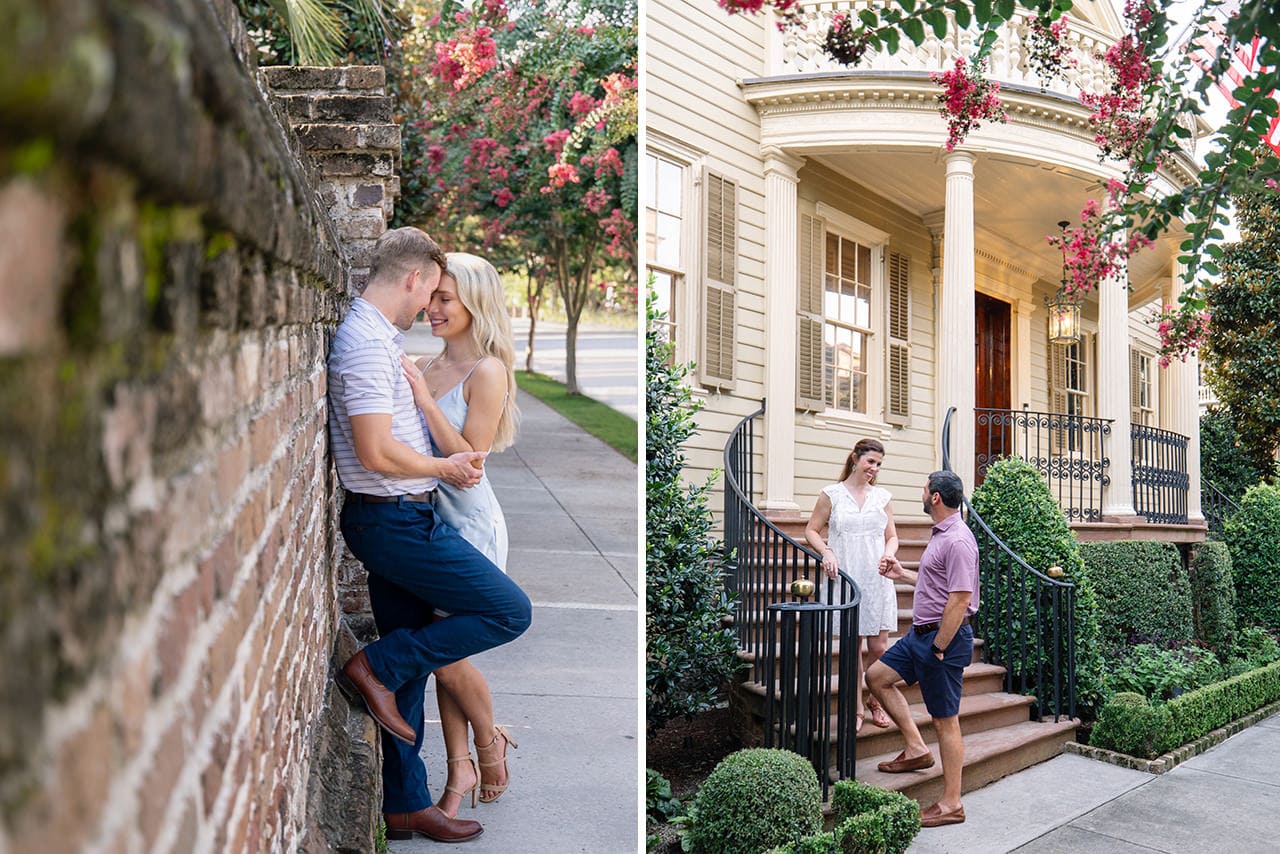
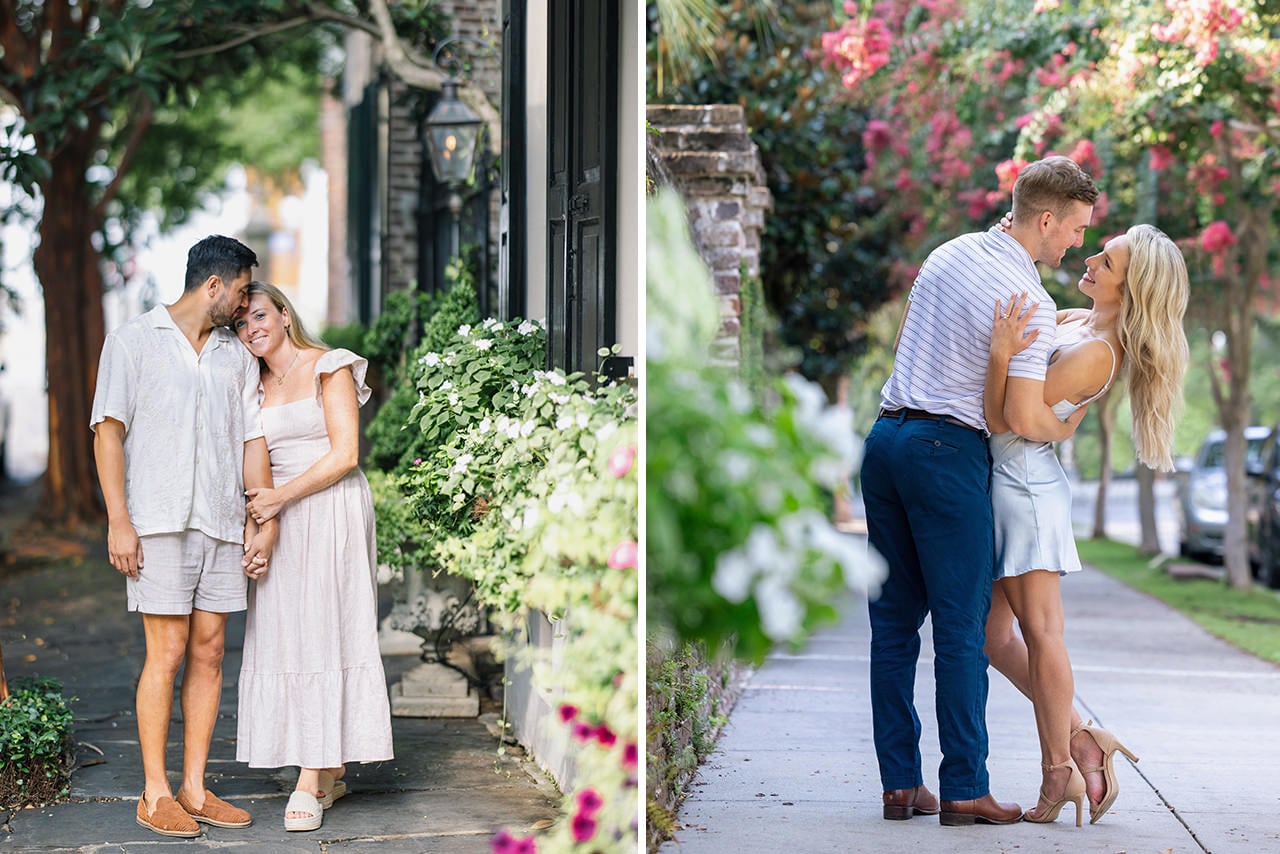
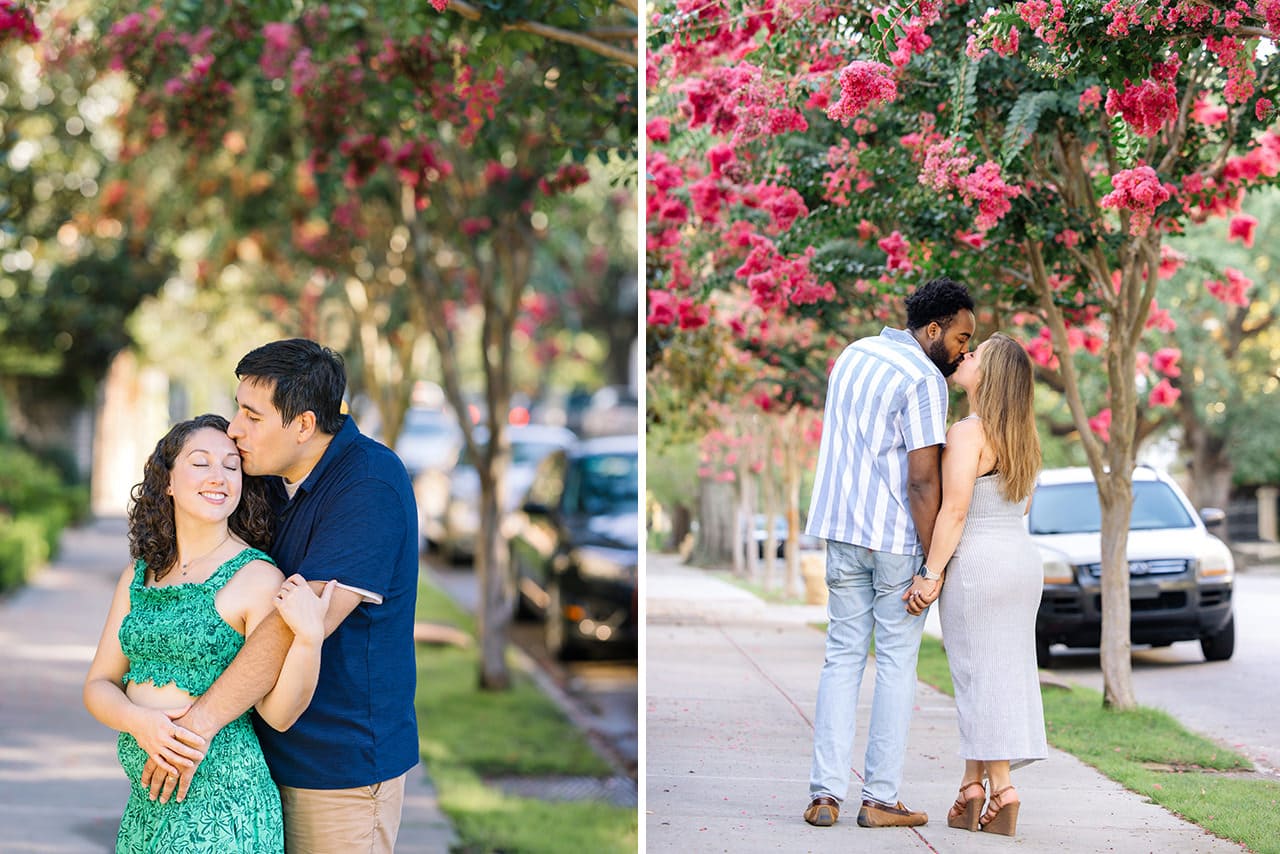
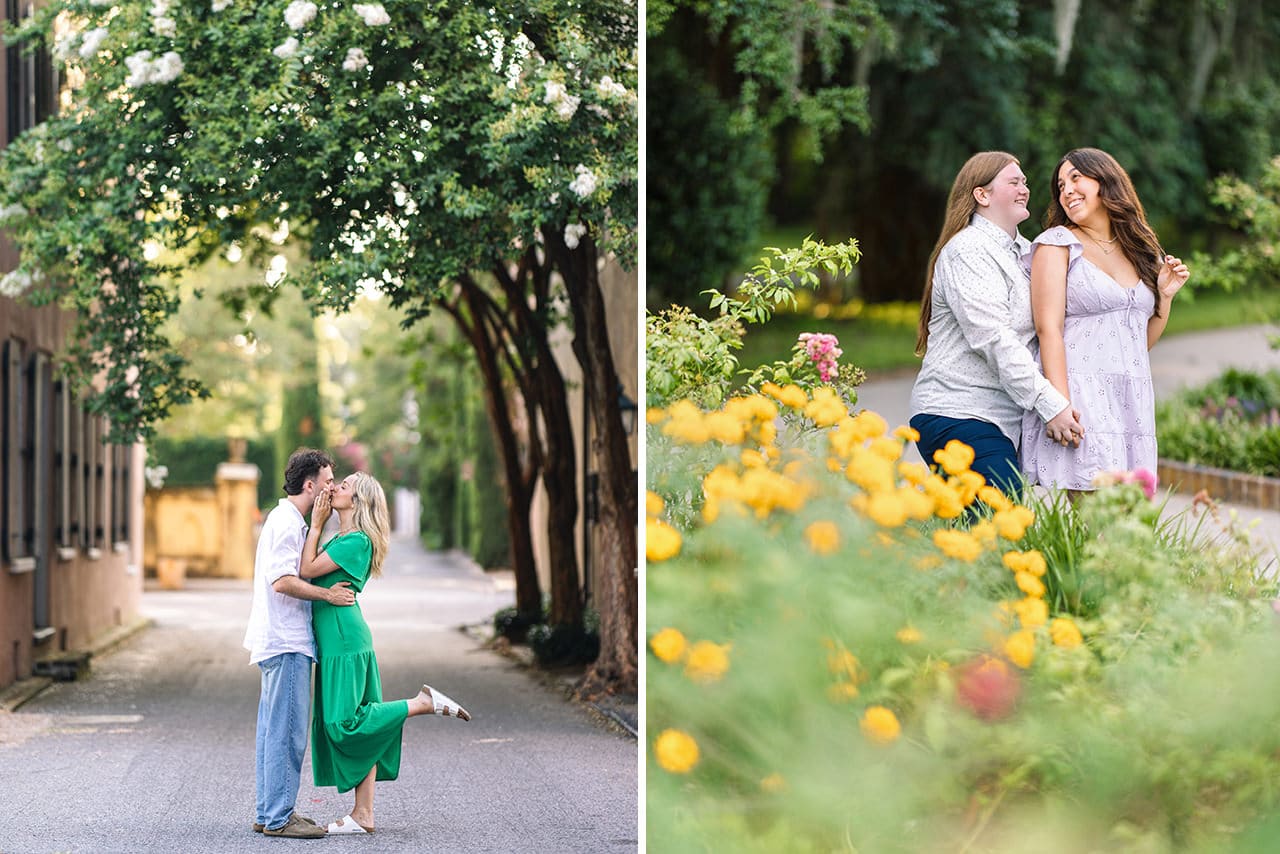
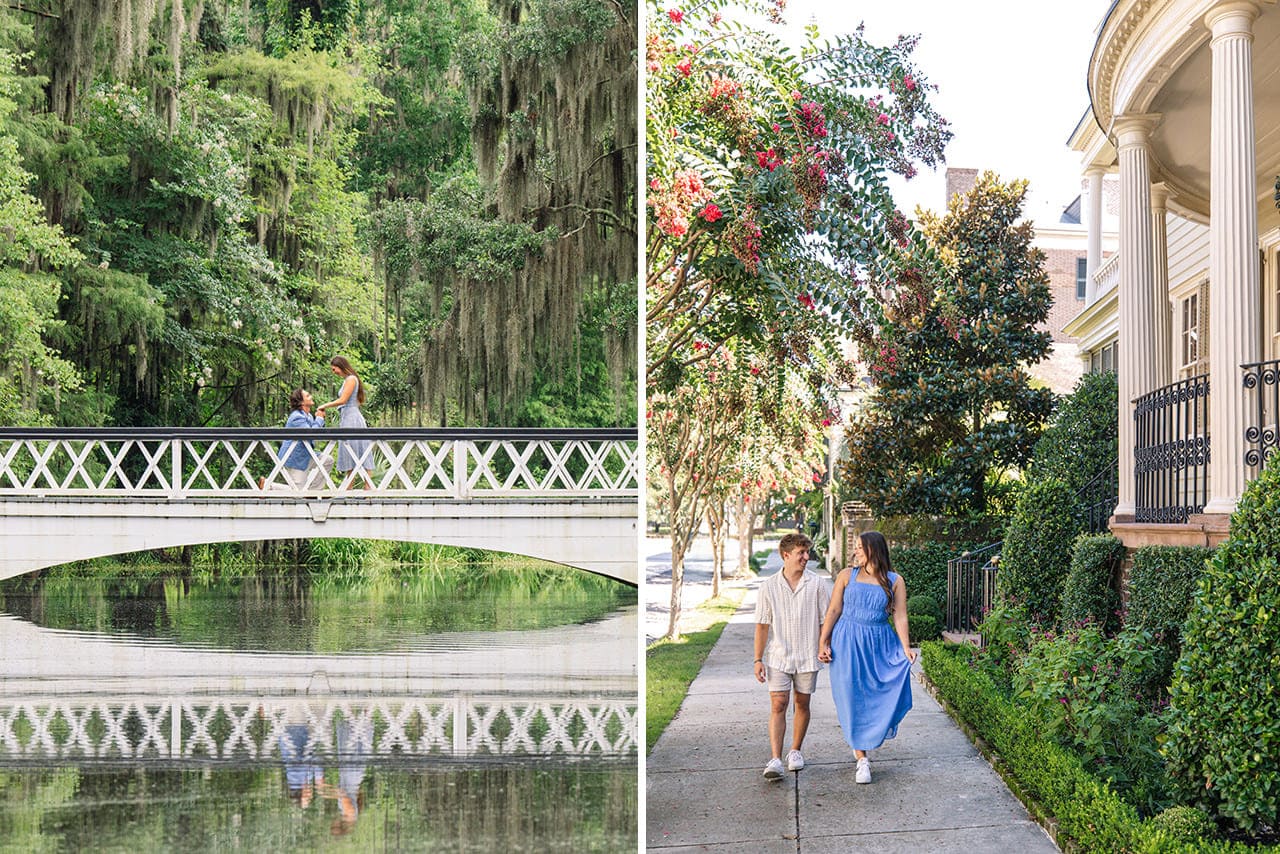
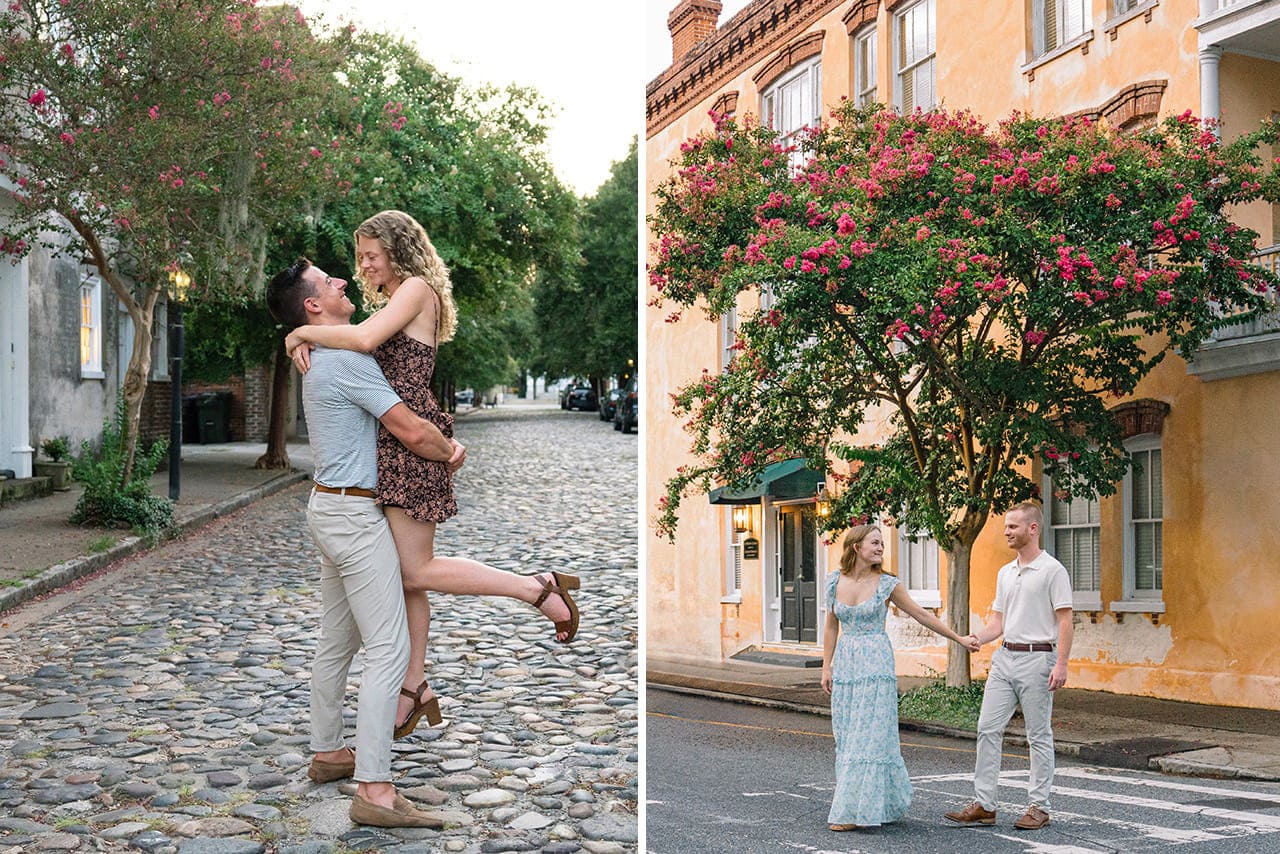
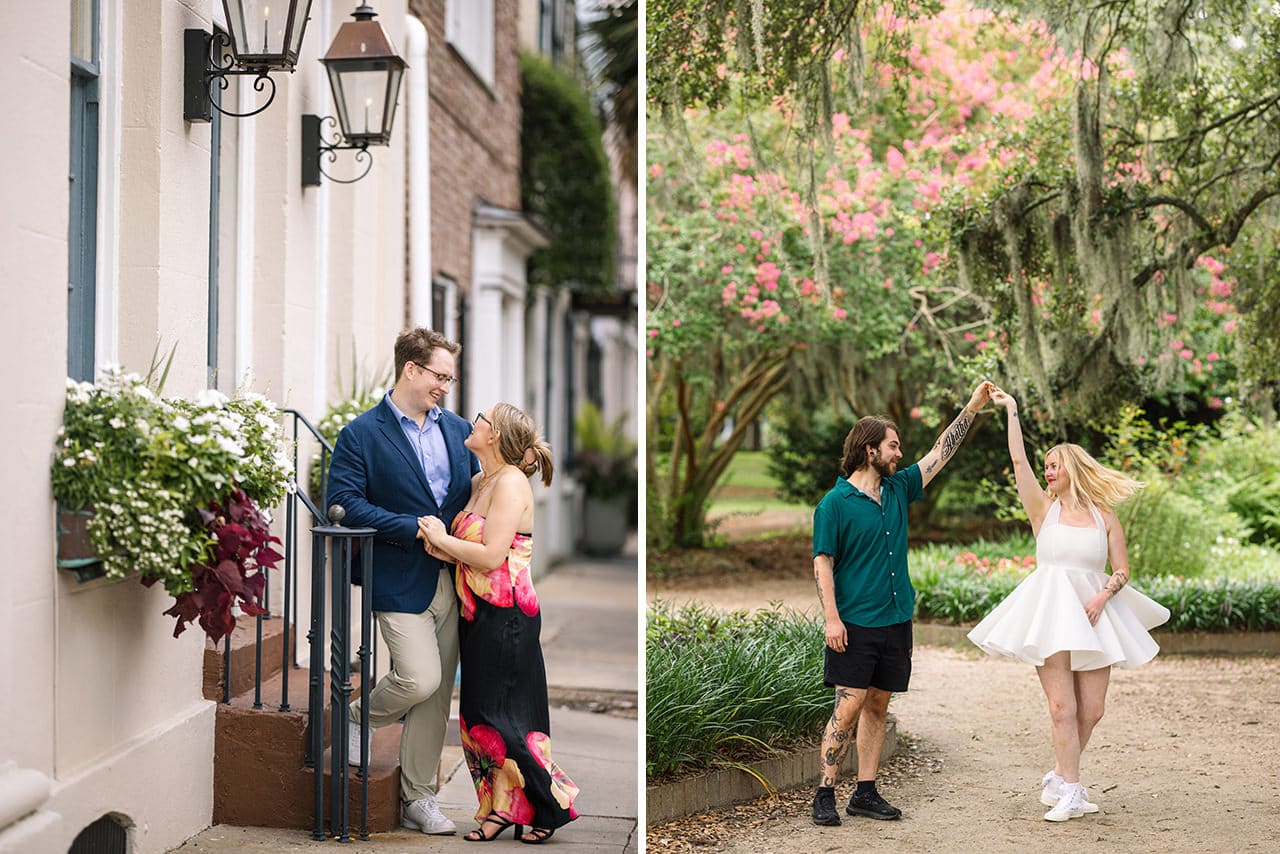
When humidity soars and most flowering shrubs rest, crepe myrtle bloom in Charleston earns its title “Flower of the South.” These trees produce massive panicles of crinkled flowers in whites, pinks, lavenders, and reds from early June through September. Different cultivars bloom sequentially—some starting in mid-May, others not until July—creating an extended season. For dramatic summer photography, seek out mature specimens in Hampton Park spring flowers displays (which transition beautifully into summer color) or along the Ashley River Drive. Early morning shoots avoid the harsh overhead sun that can bleach their vibrant colors.

July–August: Hibiscus and Heat-Loving Annuals
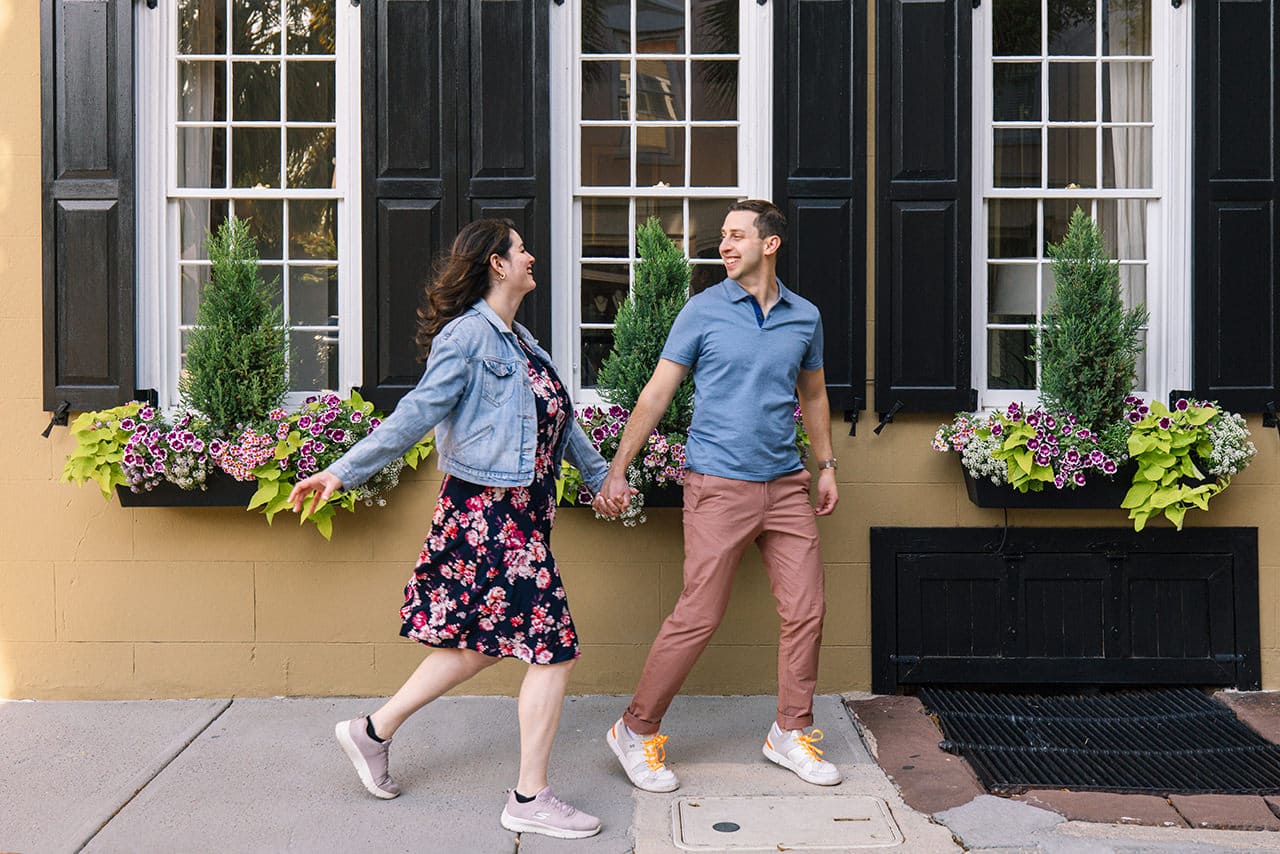
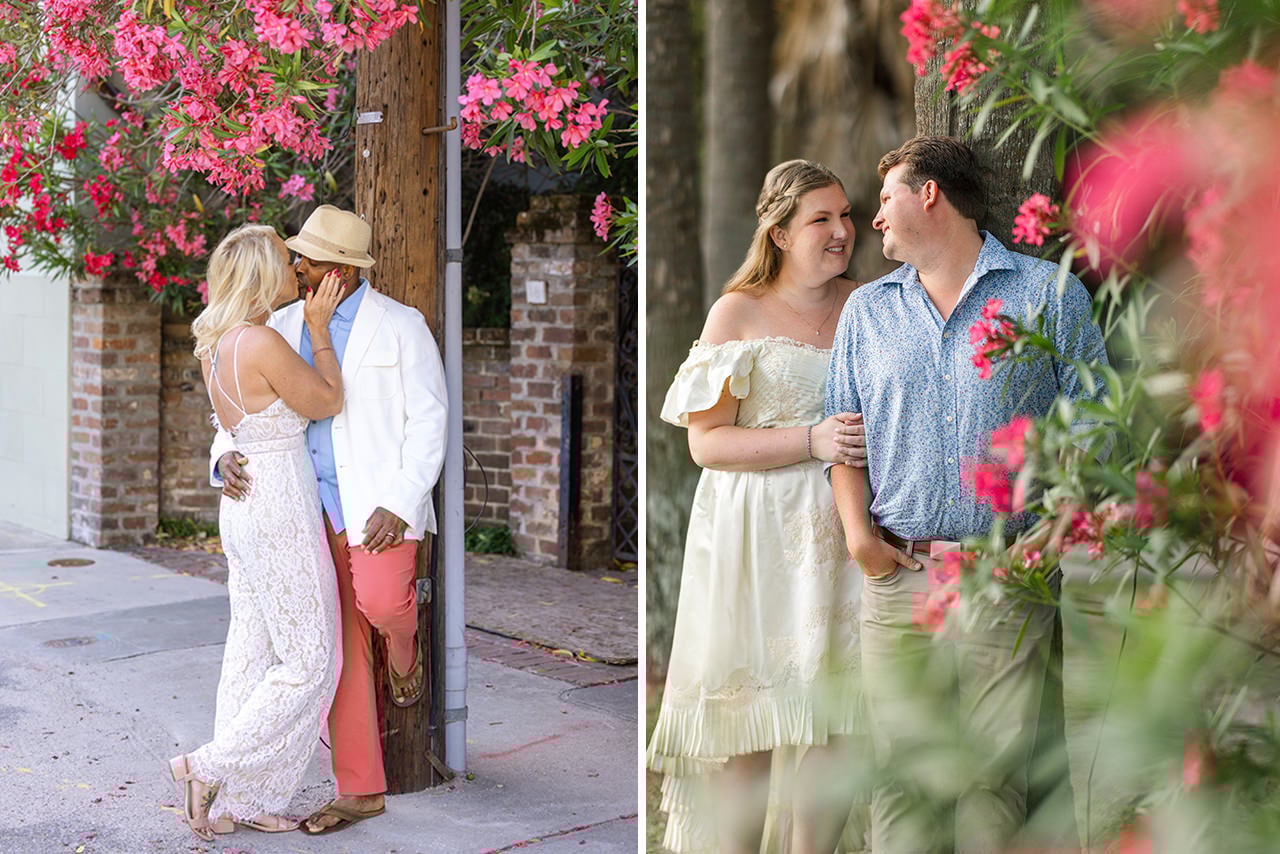
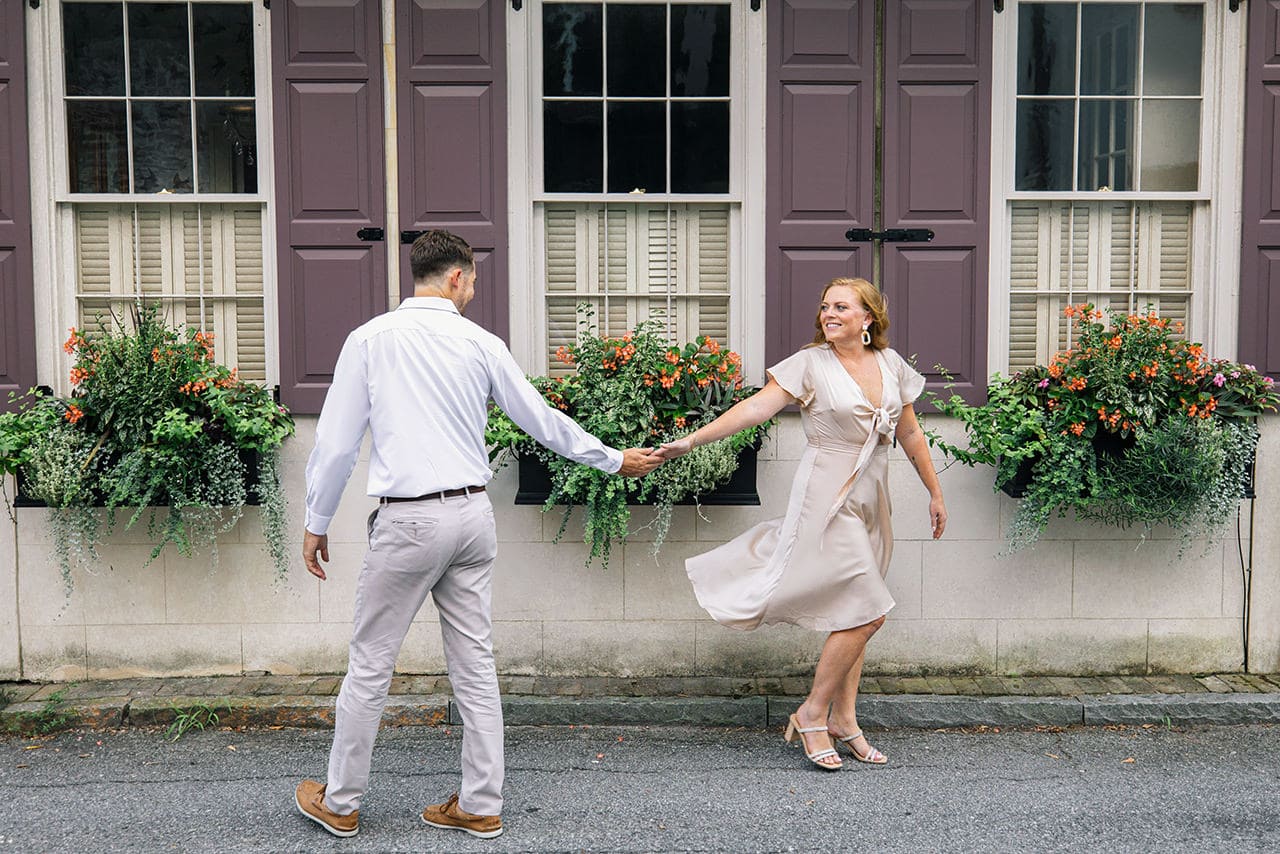
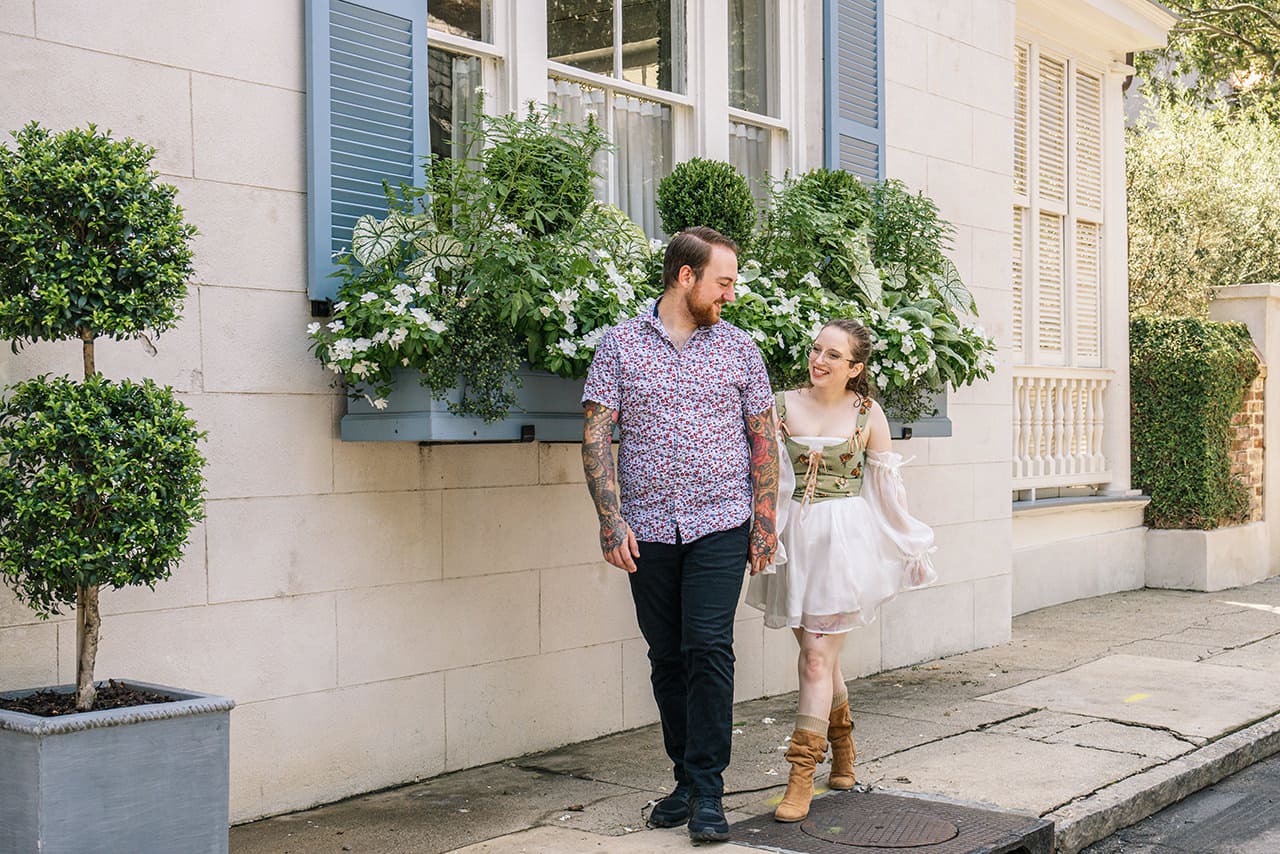
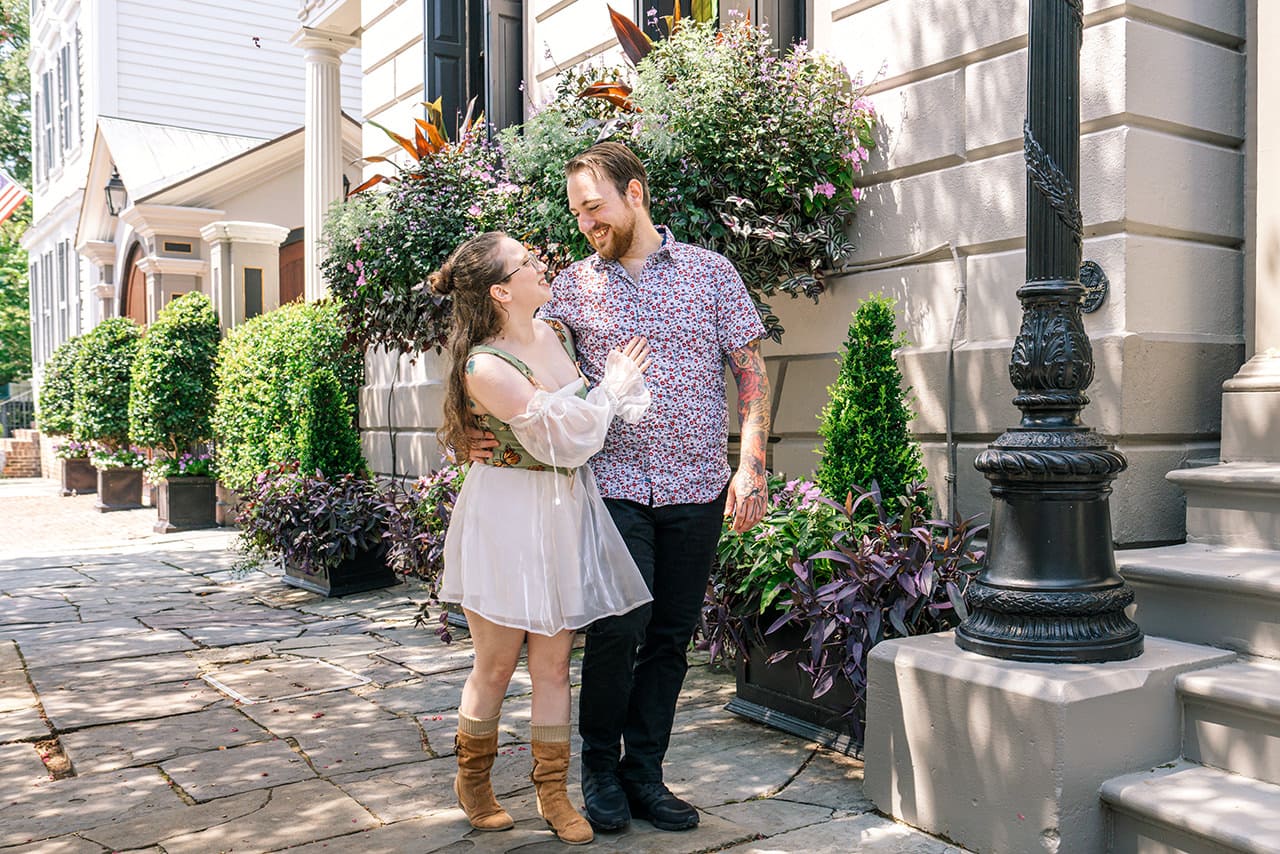
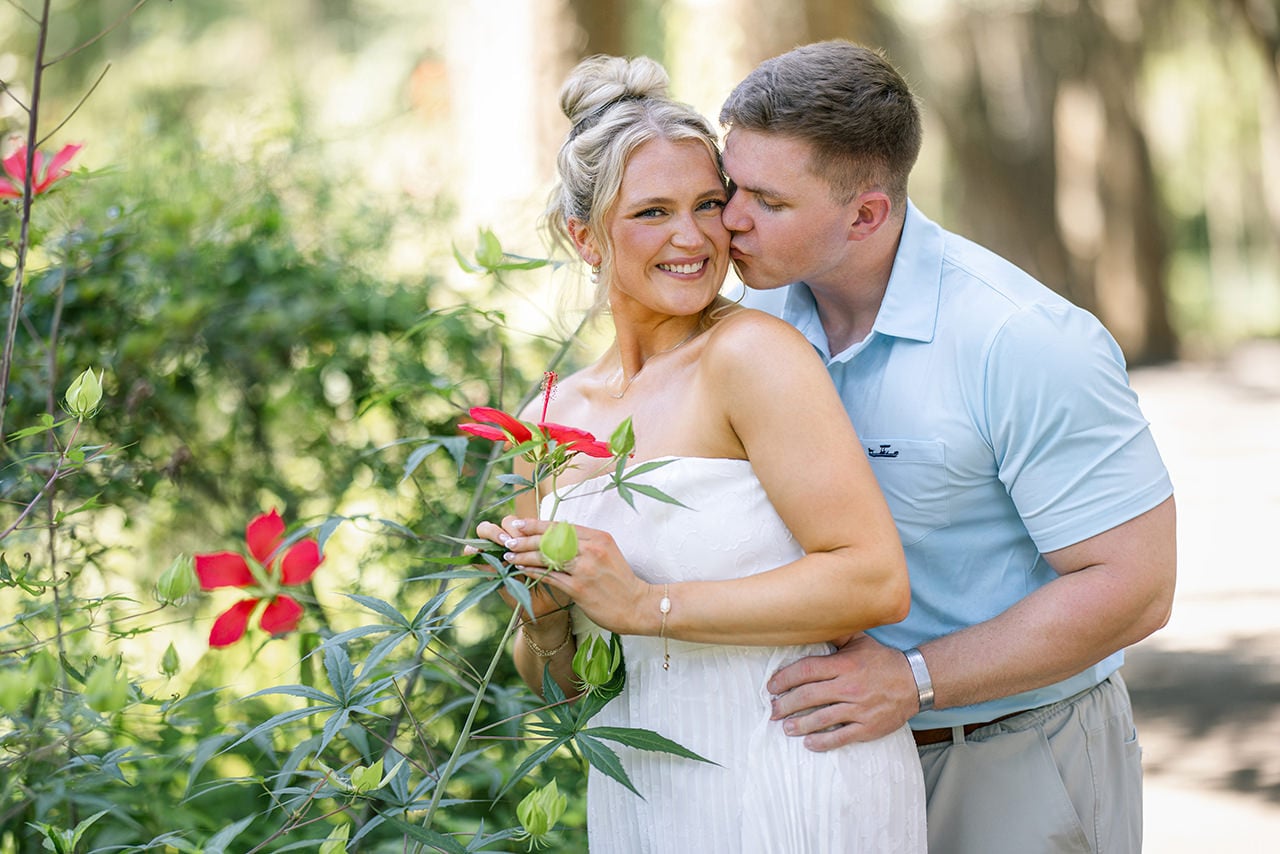
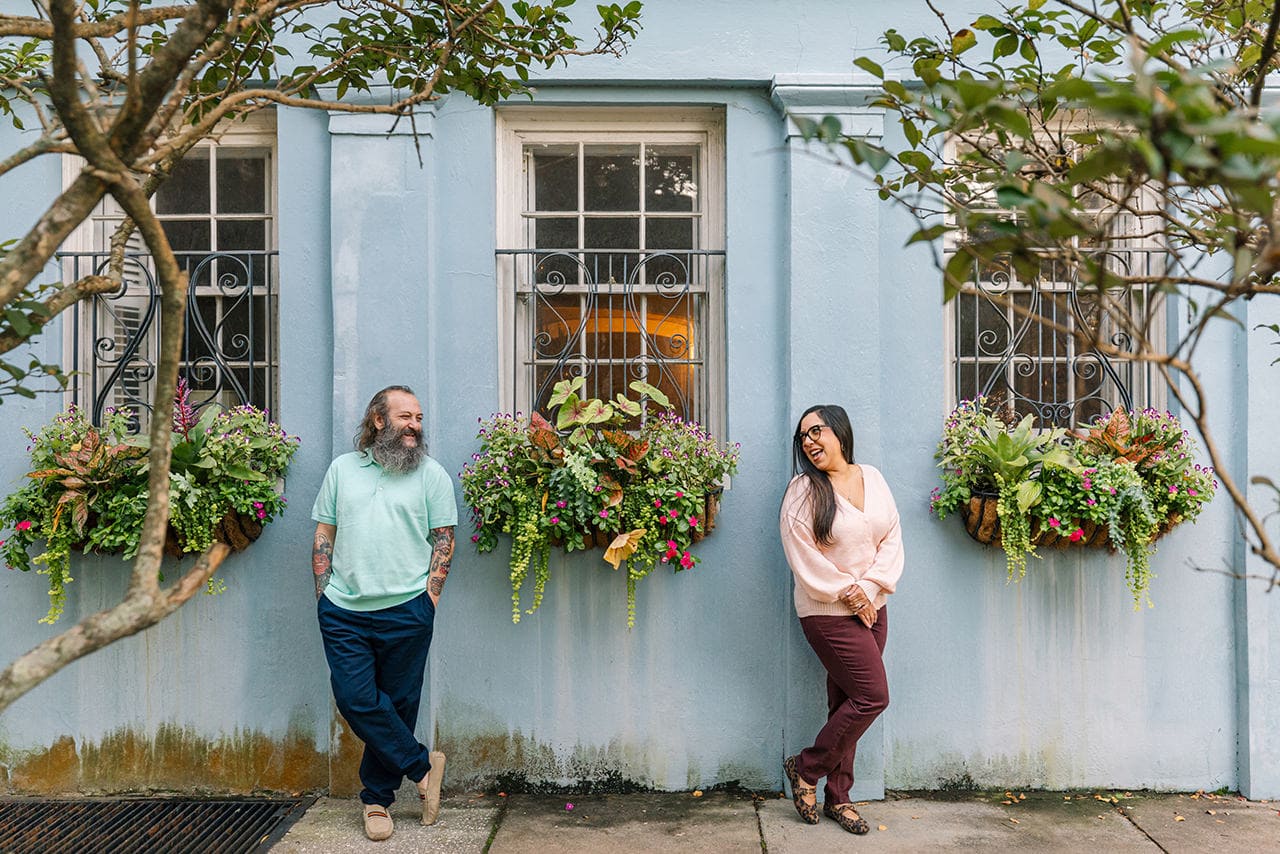
Tropical hibiscus thrives in Charleston’s summer heat, offering bold, dinner-plate-sized blooms in saturated reds, oranges, and pinks perfect for vibrant lifestyle photography. Local gardeners supplement with heat-tolerant annuals like lantana, pentas, and vinca to maintain color in container gardens and beds during the hottest months. While not native, these plants create reliable pops of color against Charleston’s weathered architecture when other perennials rest.


Autumn’s Gentle Return: September Through October
September–October: Native Perennials Shine
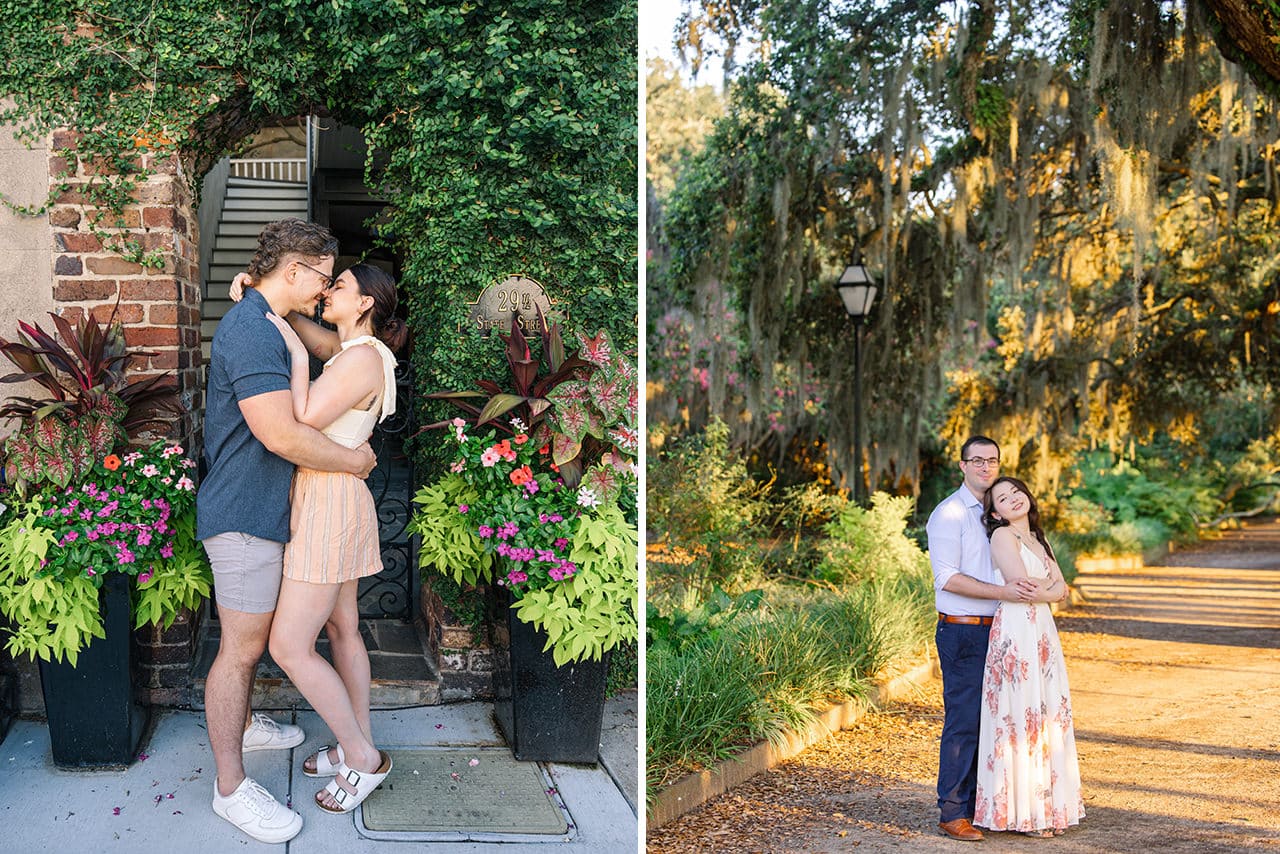
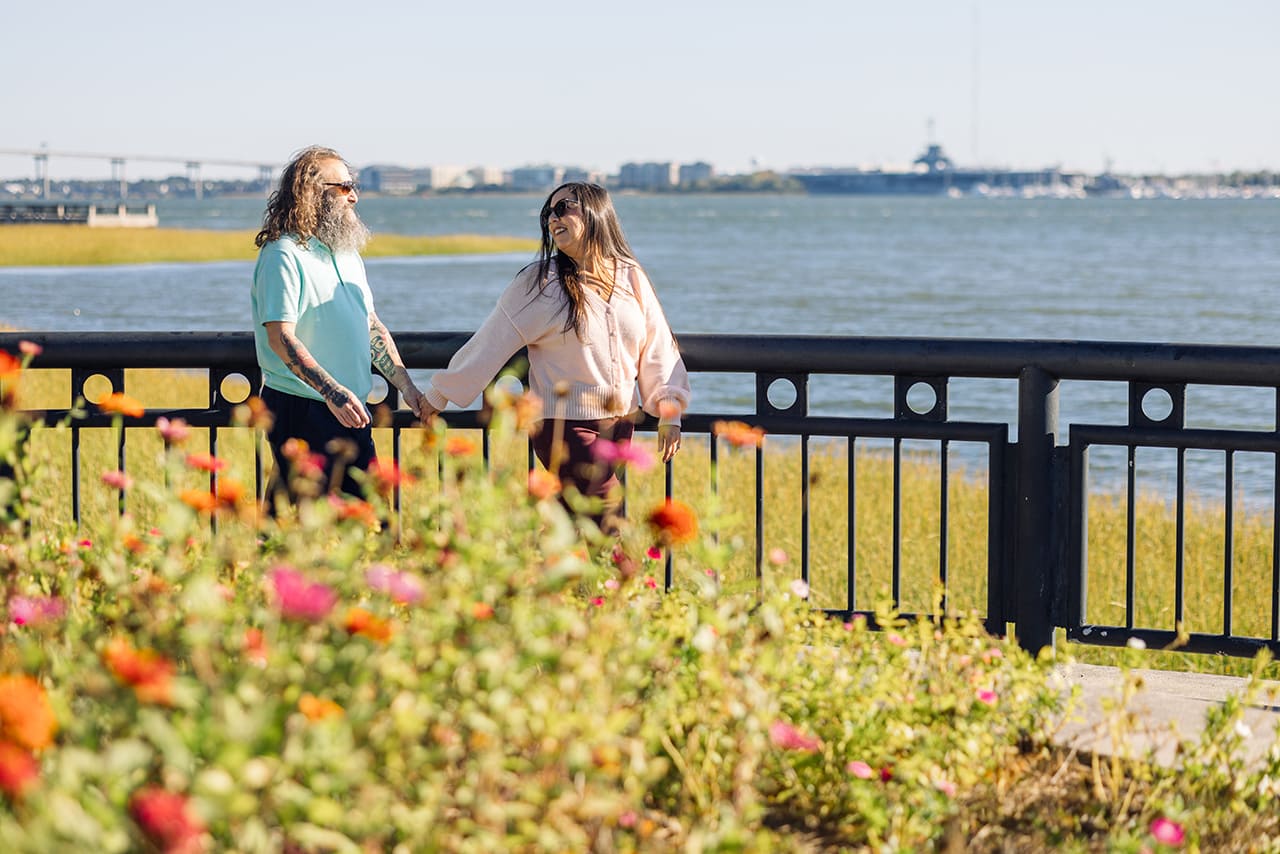
As temperatures moderate, native perennials reclaim the spotlight. Black-eyed Susans, wild ageratum, and coreopsis provide pollinator-friendly color in golds, blues, and yellows. Late-blooming camellia sasanquas may reappear in October, bridging the gap until winter’s floral cycle begins anew—proving that Charleston in bloom is truly a year-round phenomenon.
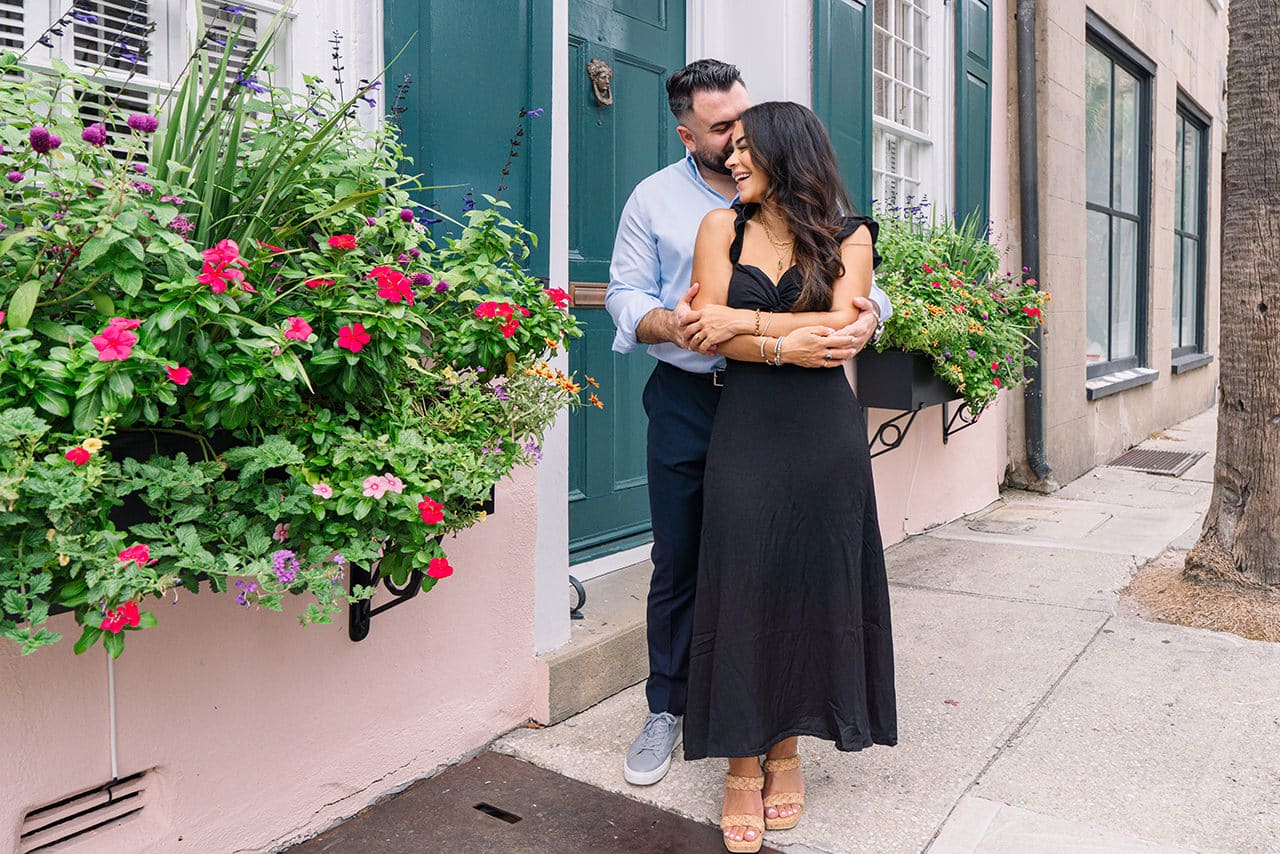
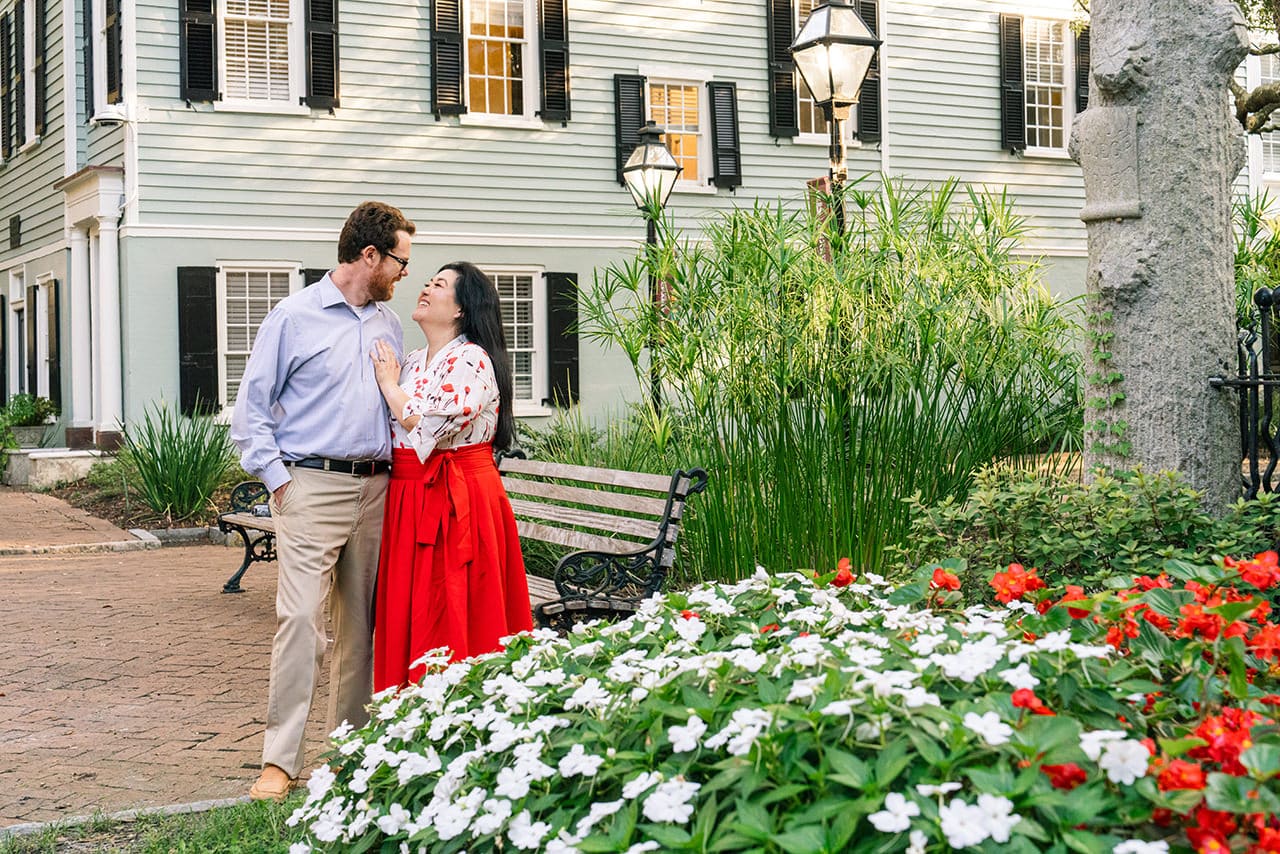
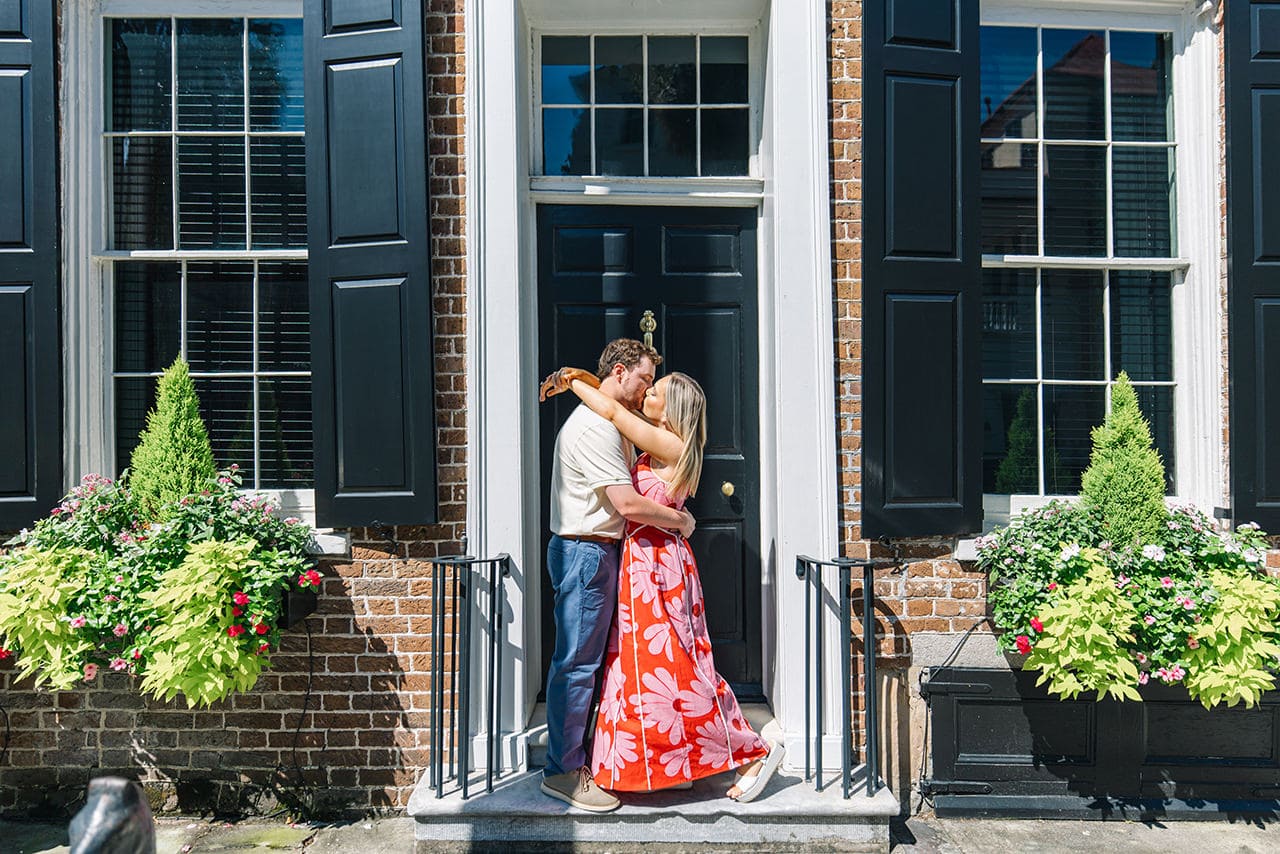
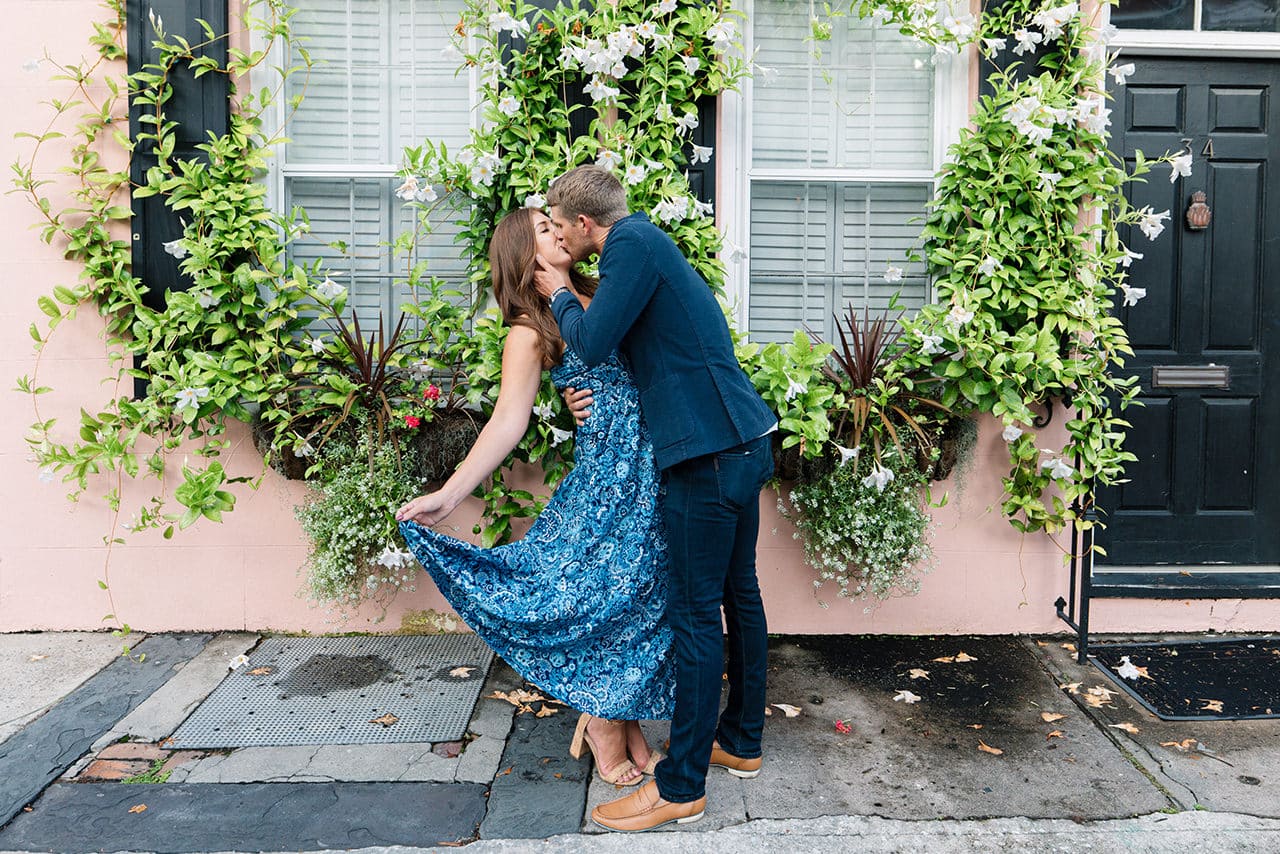
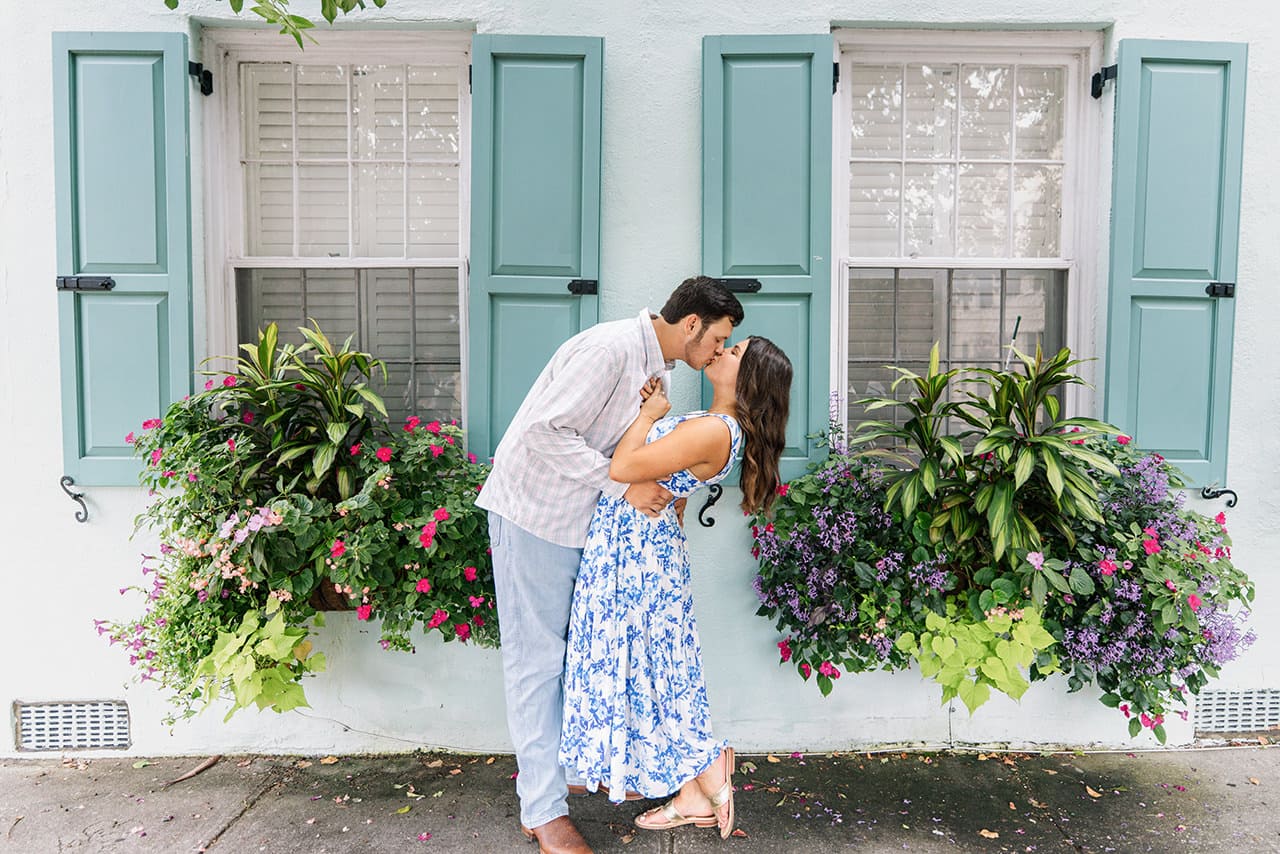
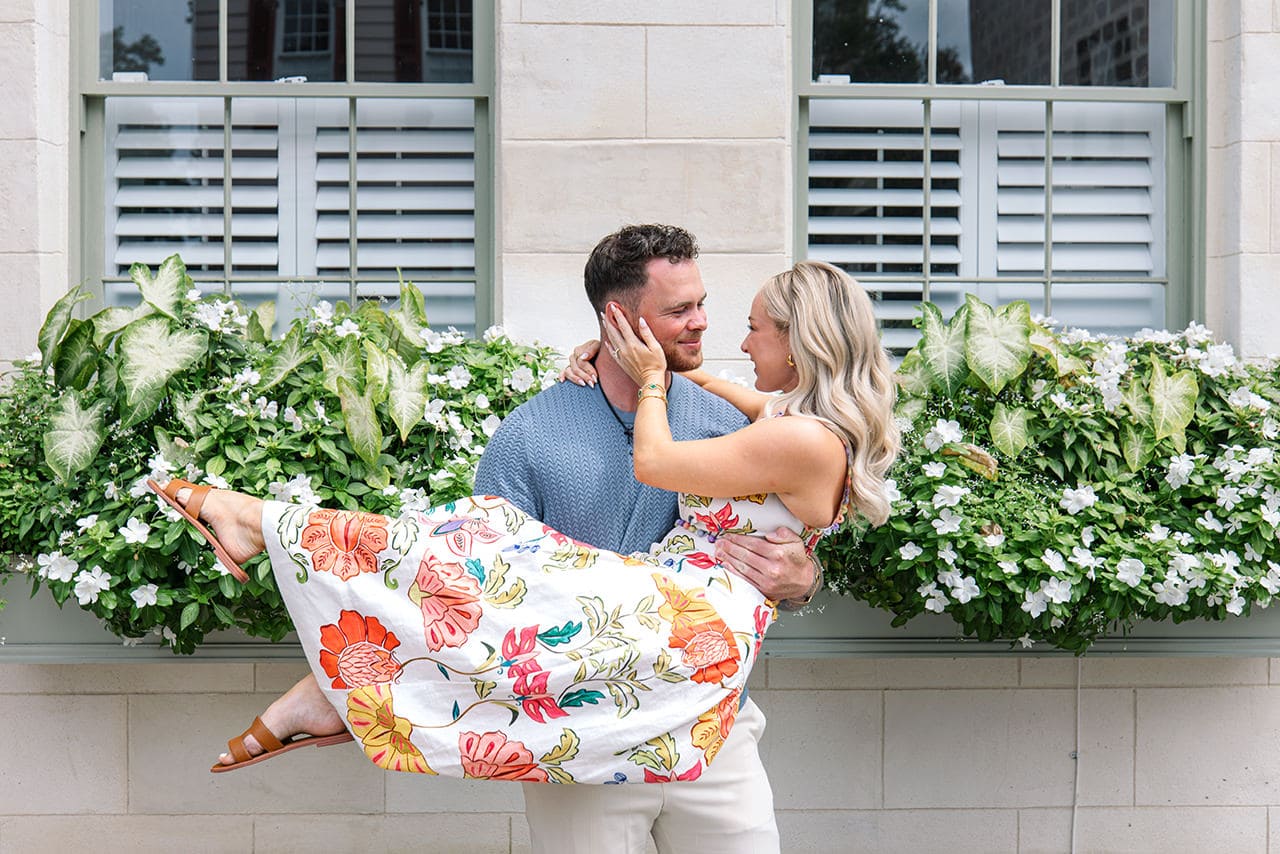
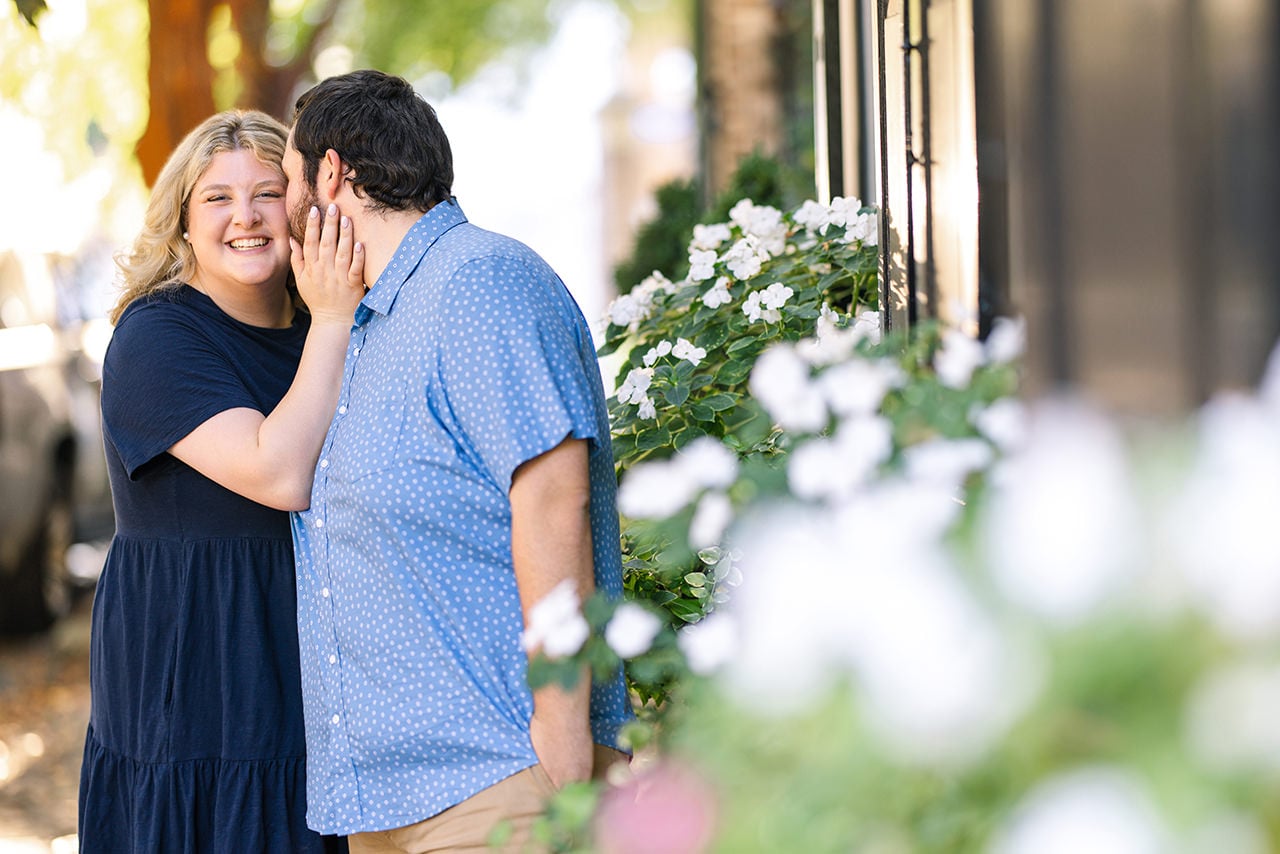
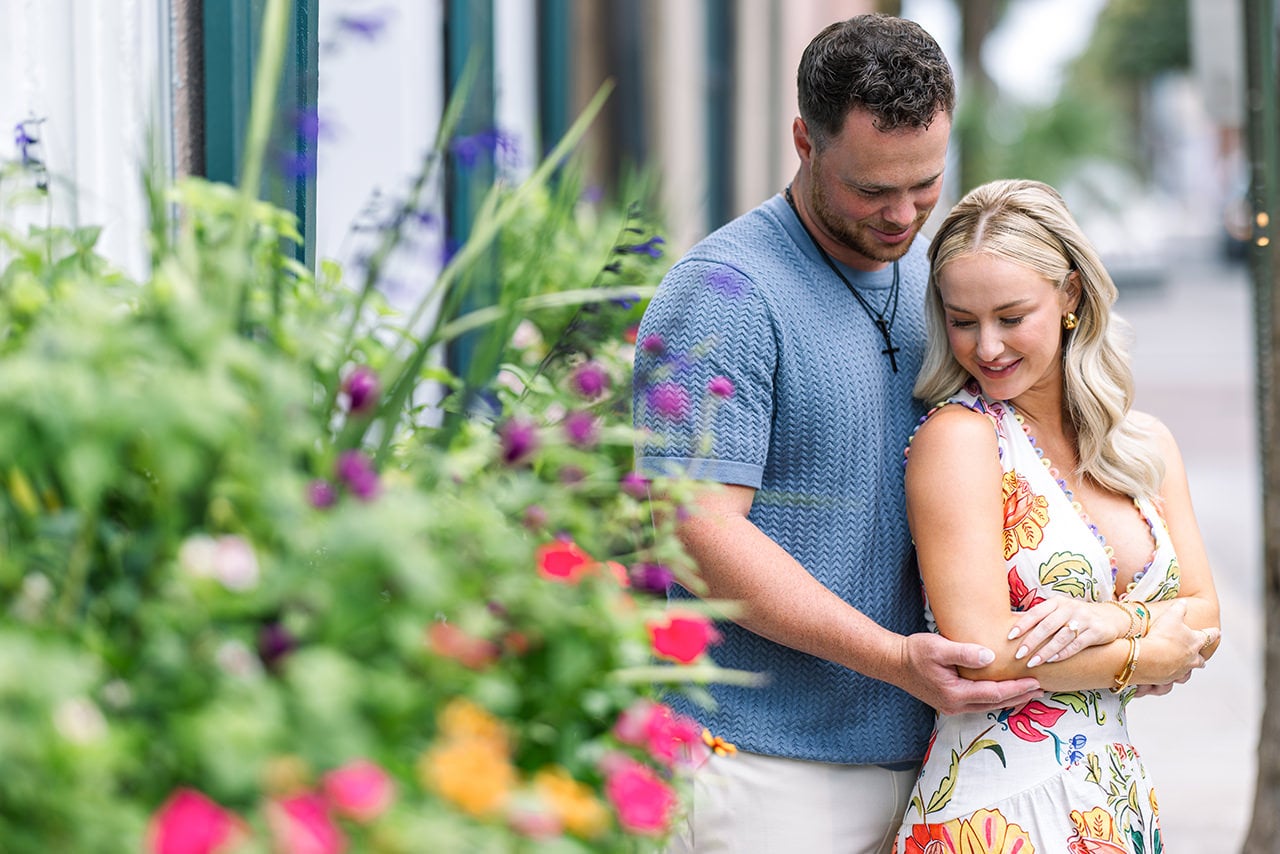


October–November: Preparing for the Next Cycle
While fewer showy blooms dominate autumn, this season offers subtle photographic opportunities: seed pods on crepe myrtles providing winter texture, berries on native shrubs like beautyberry, and the architectural forms of deciduous magnolias as they prepare for winter dormancy. It’s an ideal time to capture Charleston’s gardens in a more contemplative mood—perfect for editorial features on seasonal transitions.
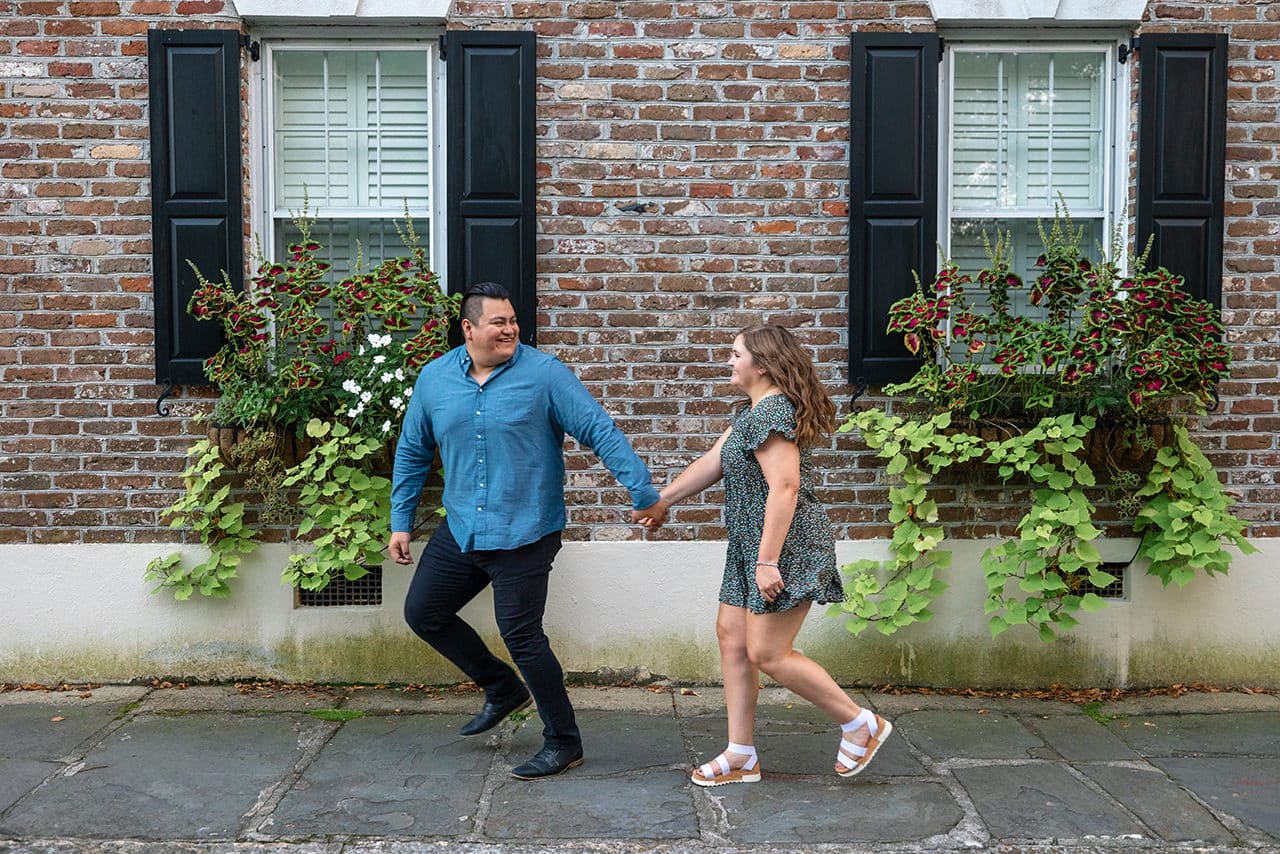
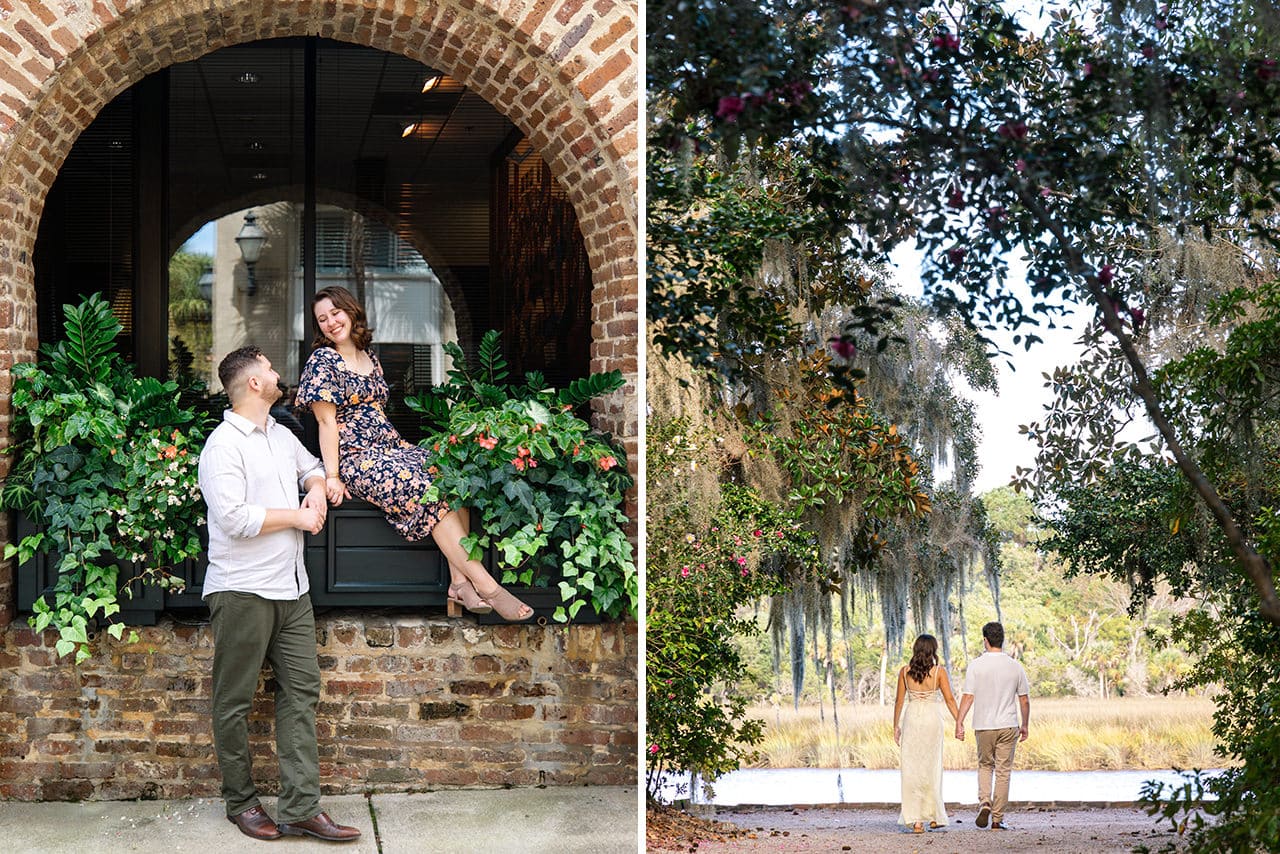
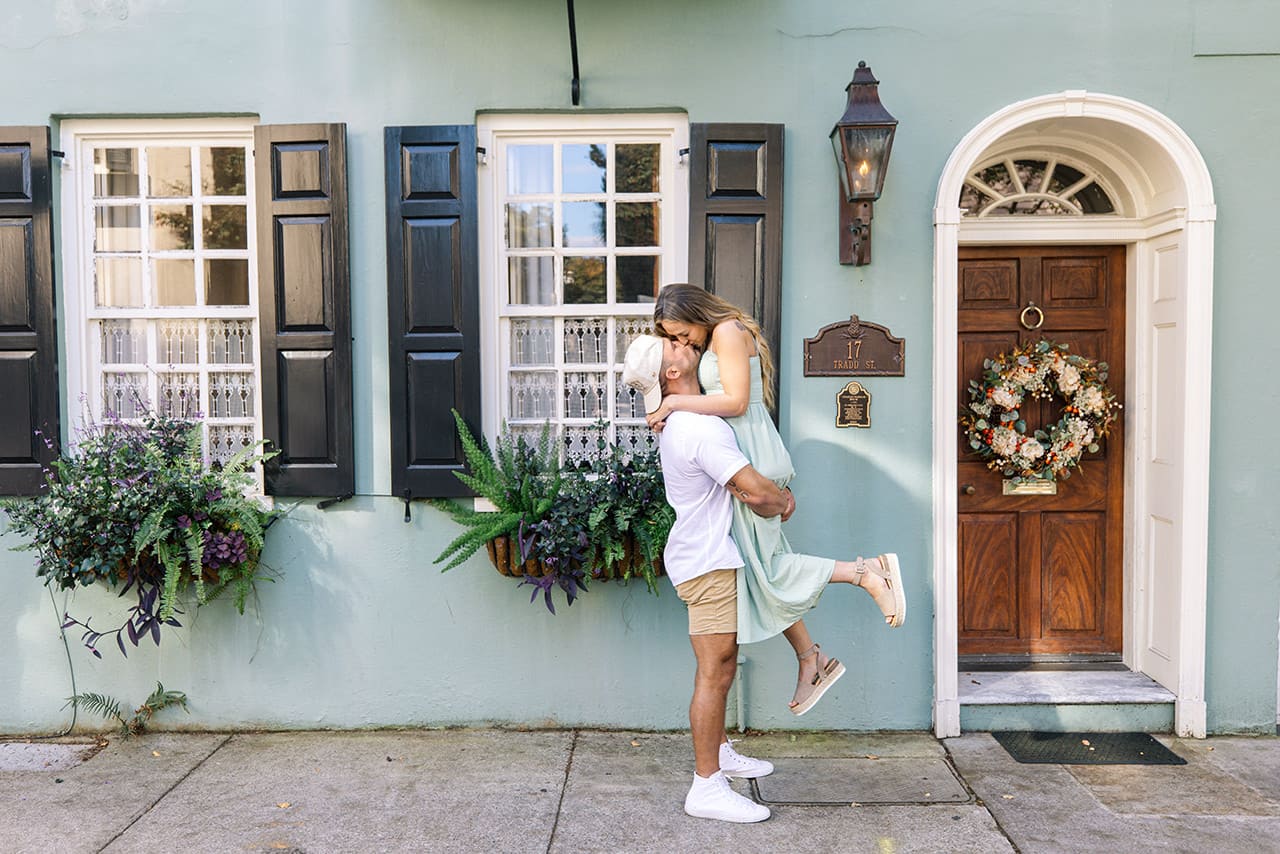

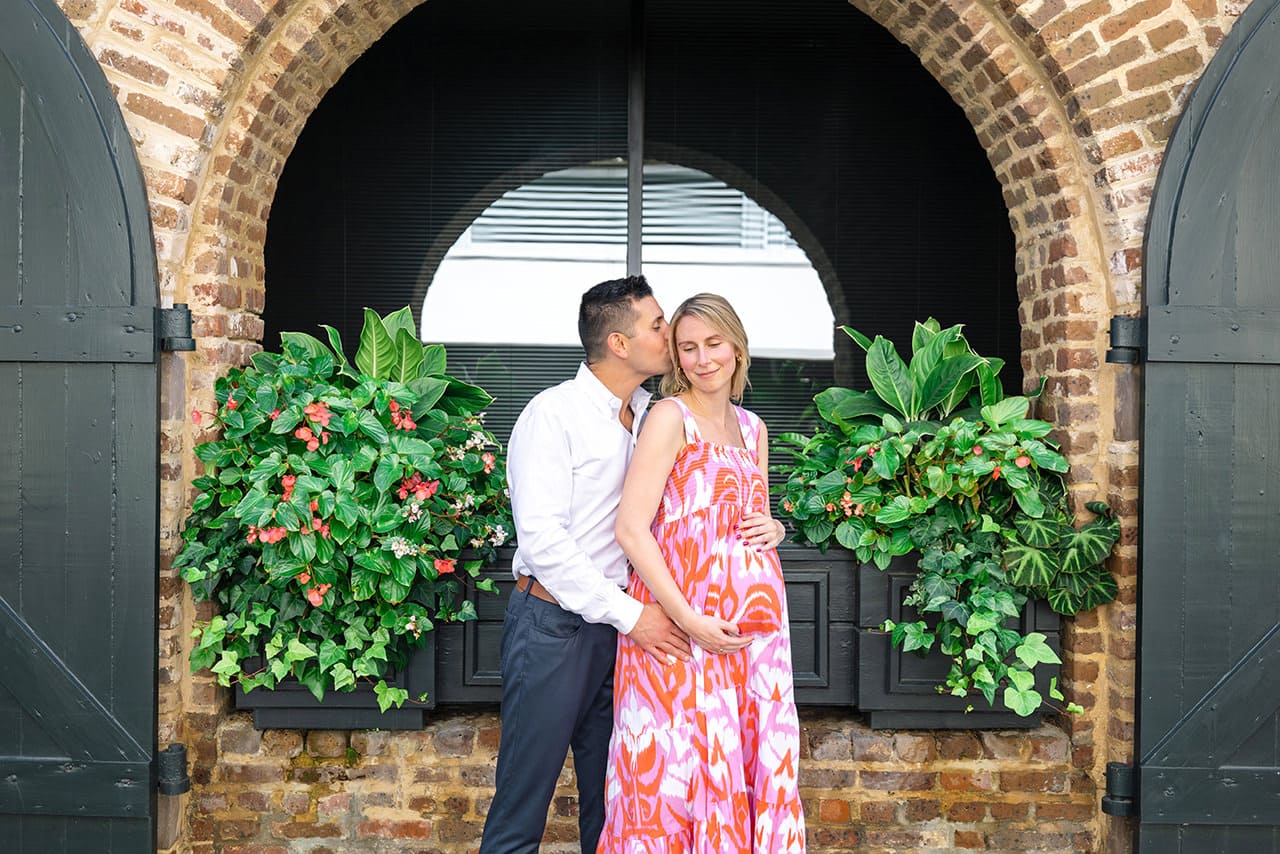


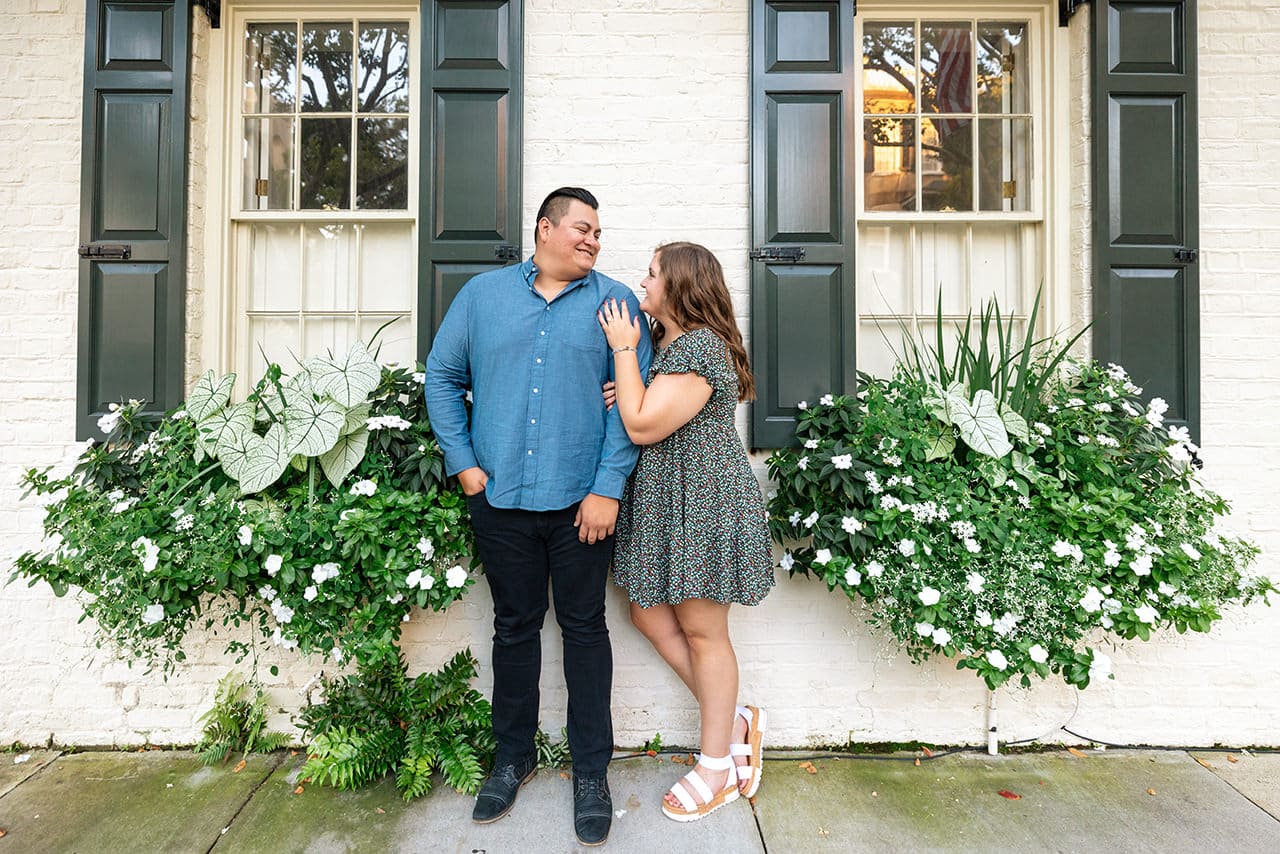
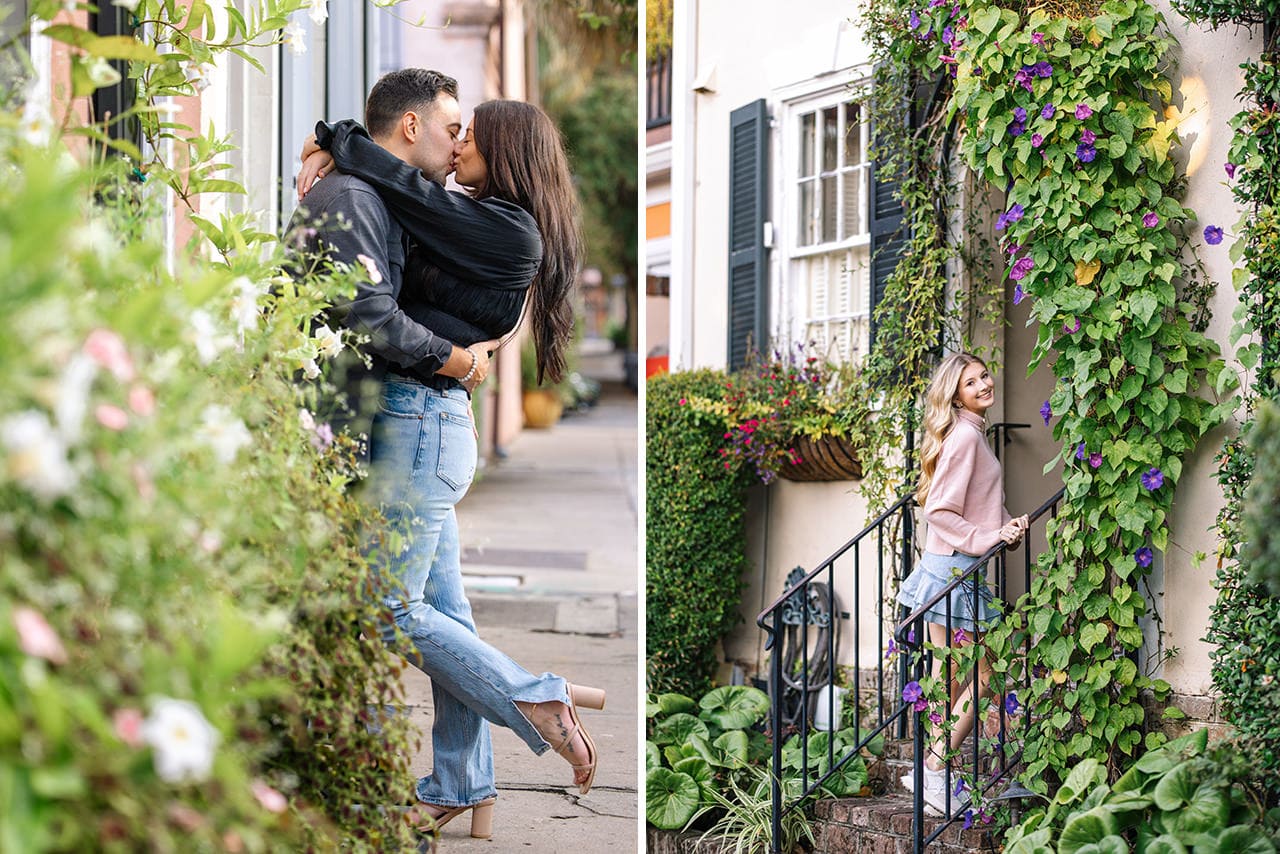
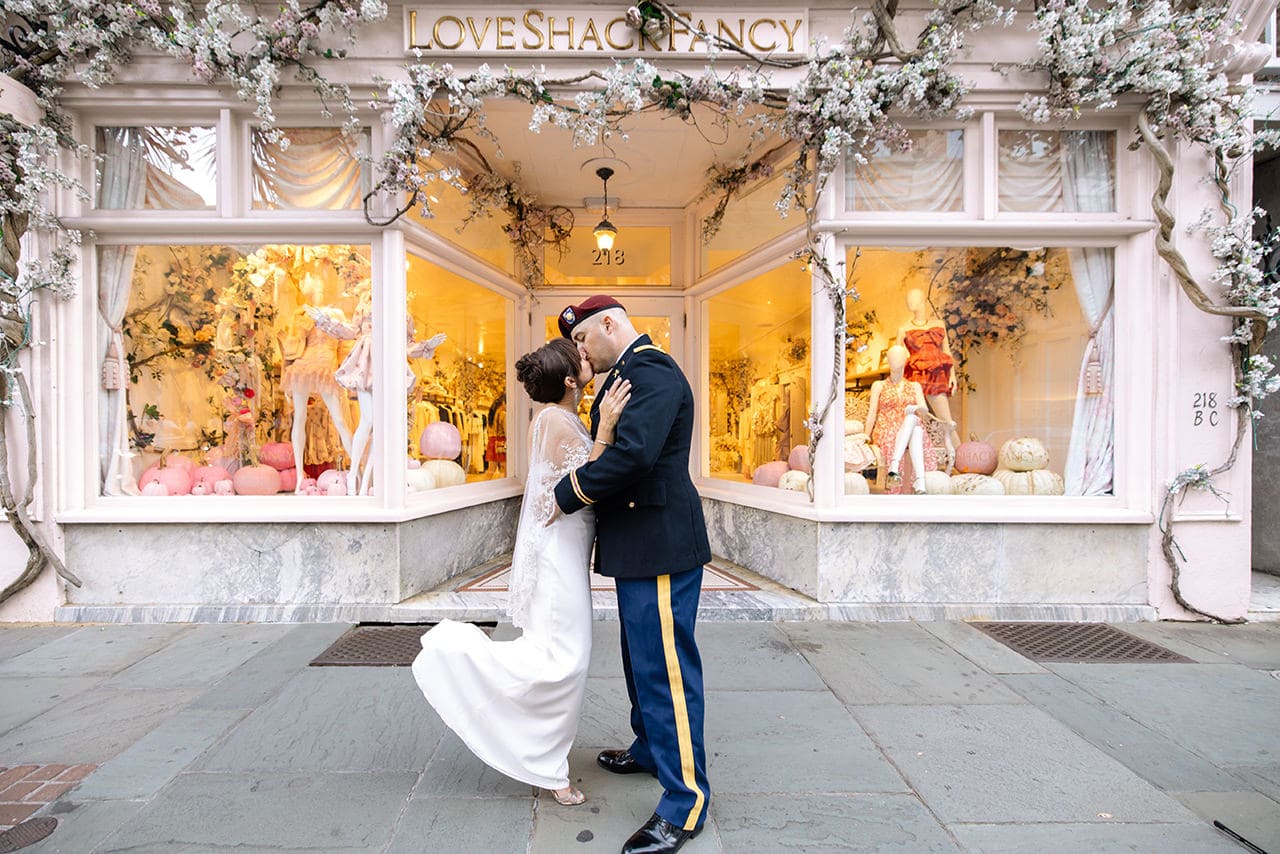
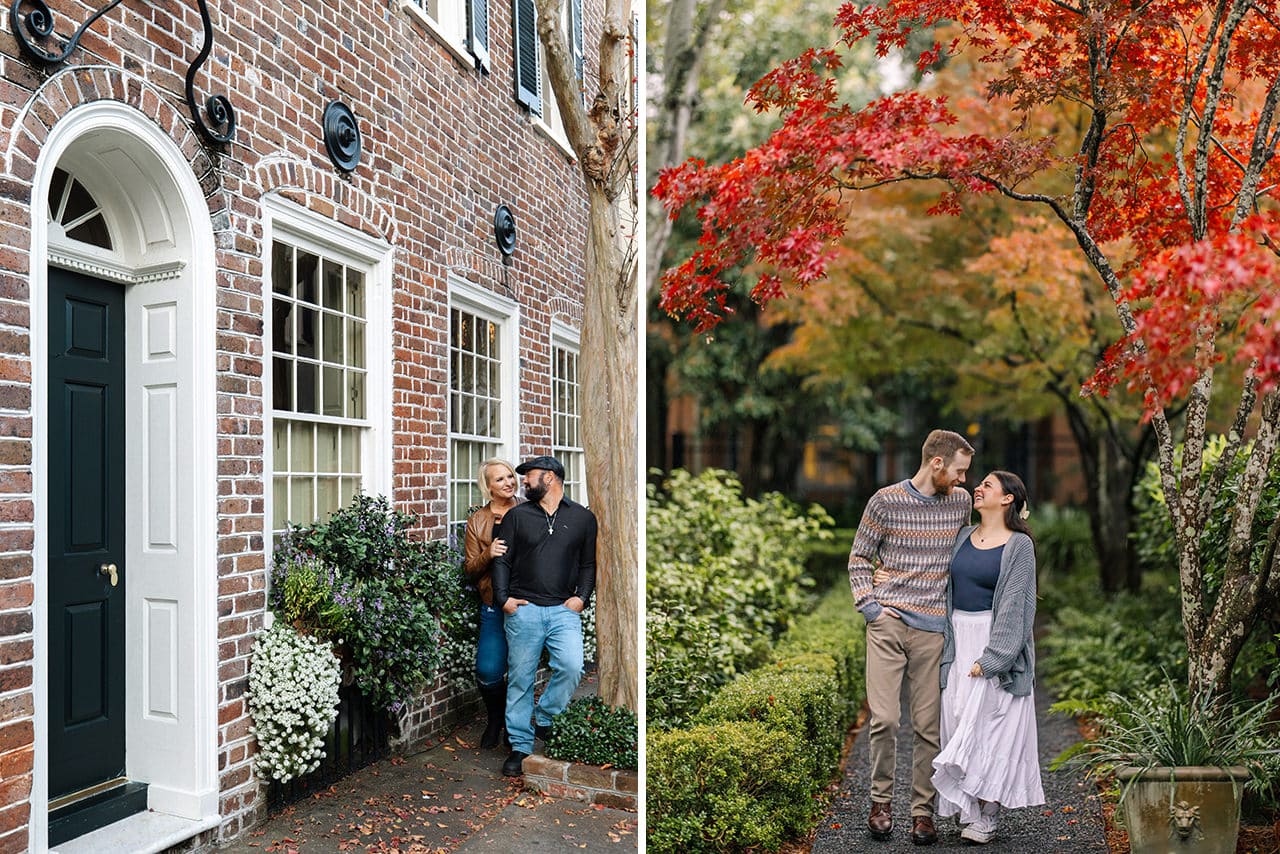

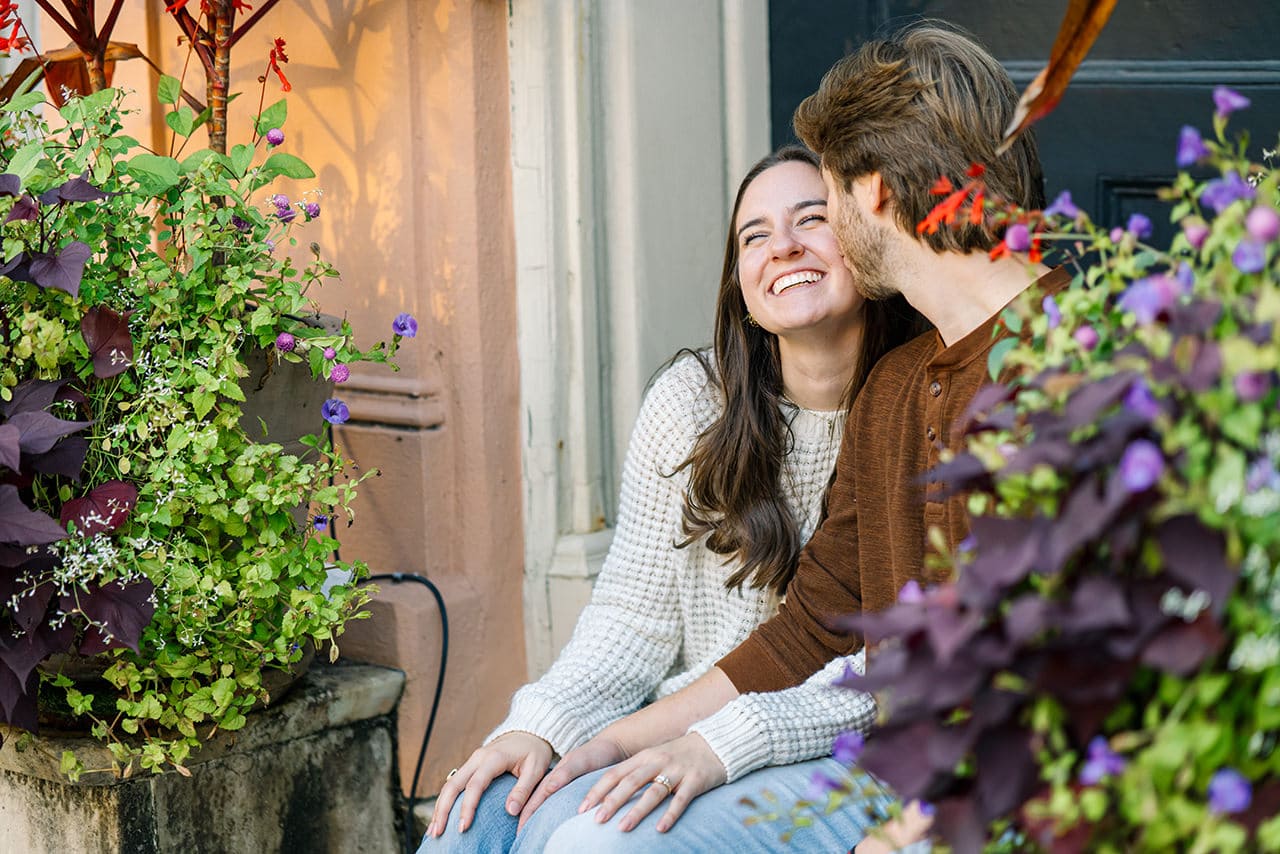
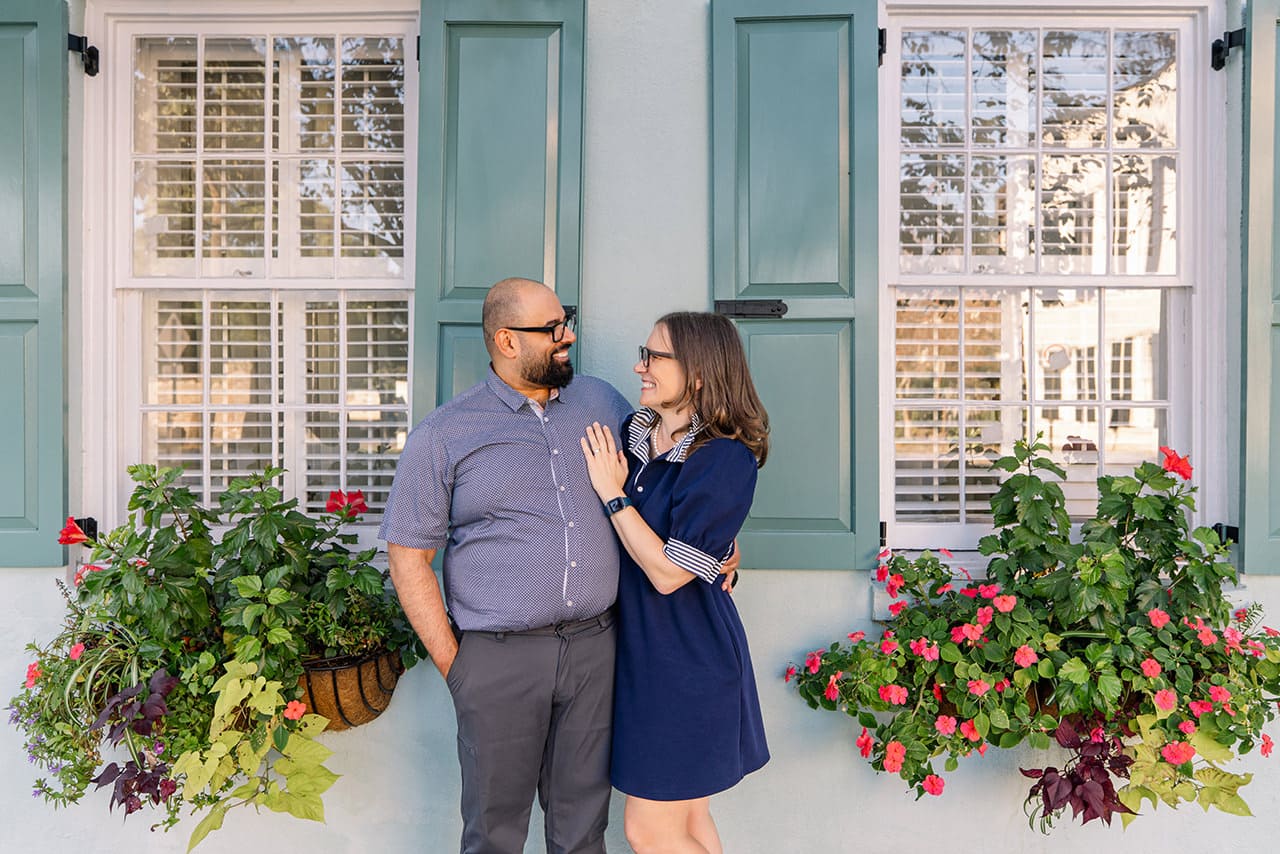
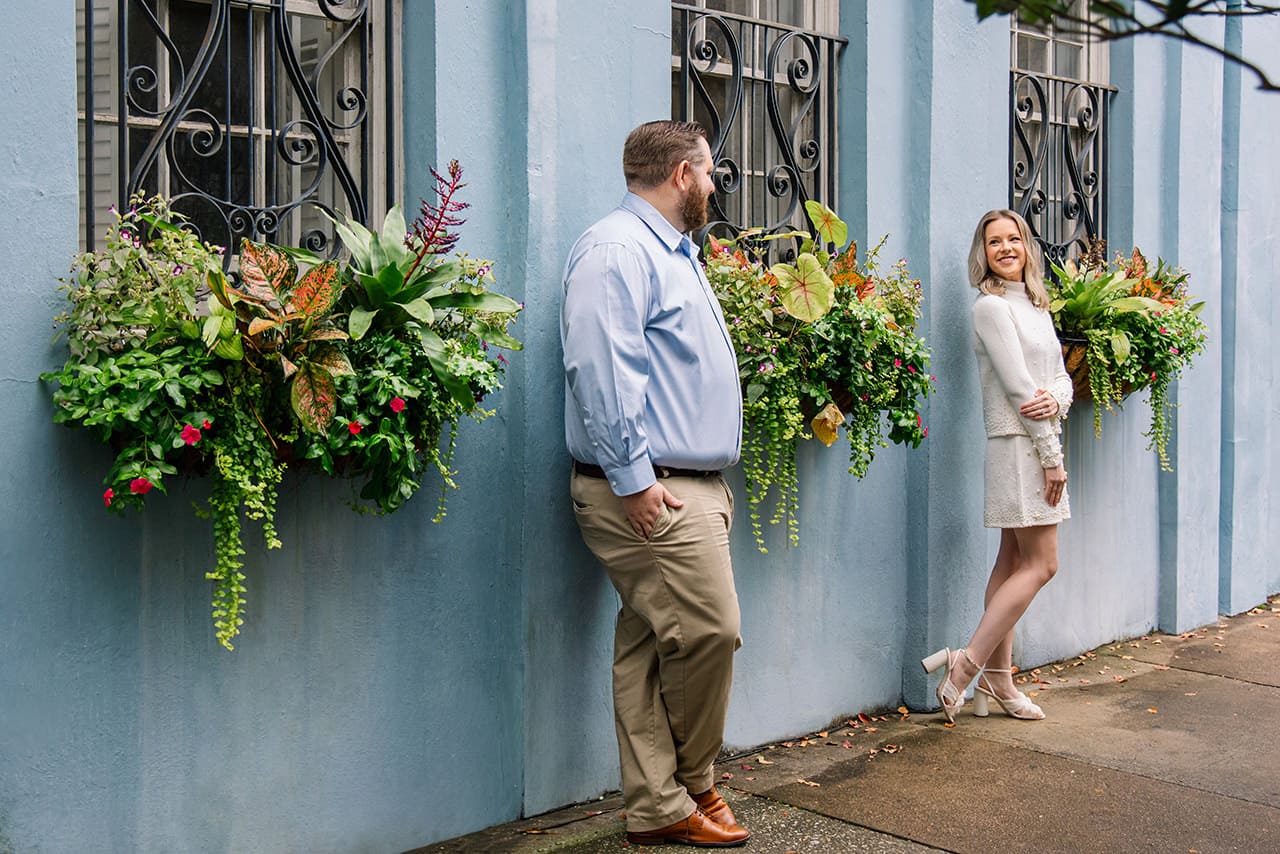
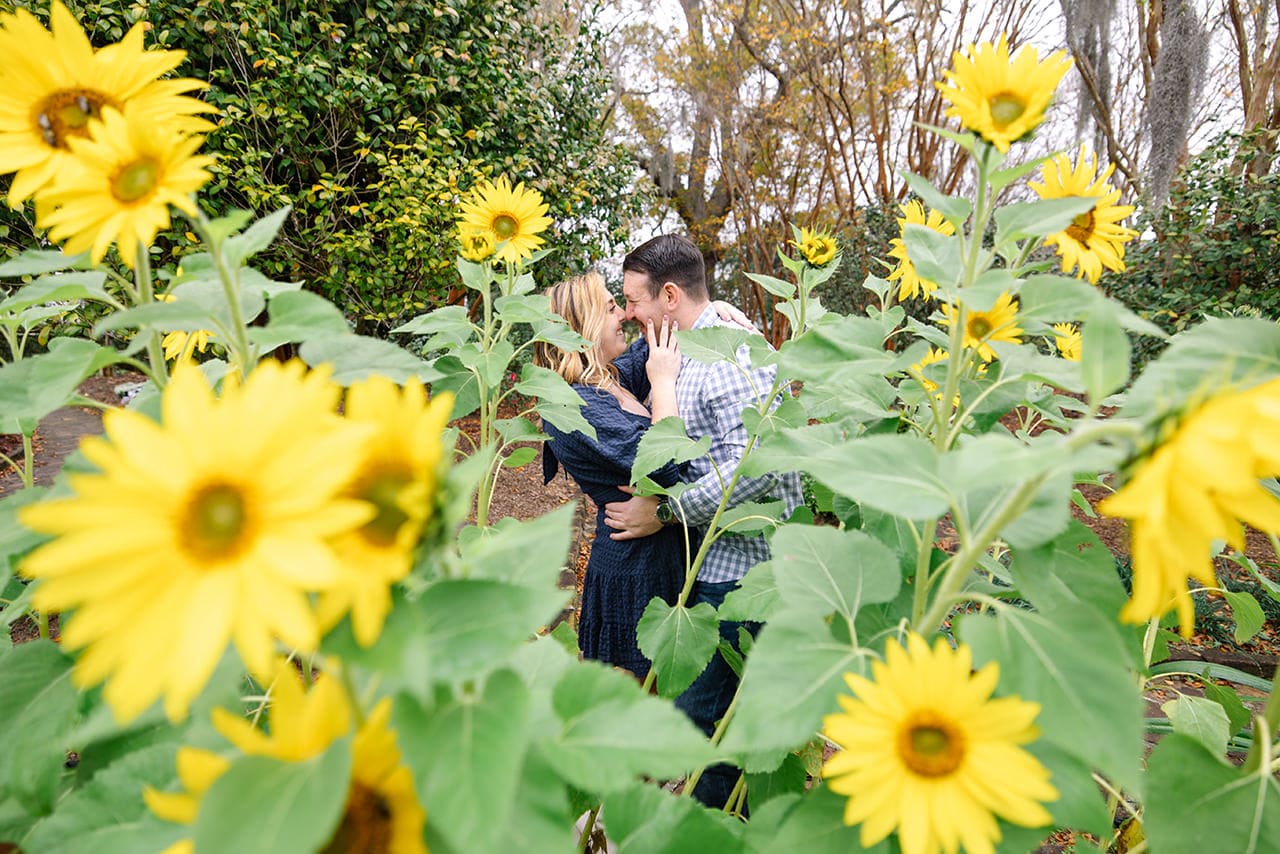
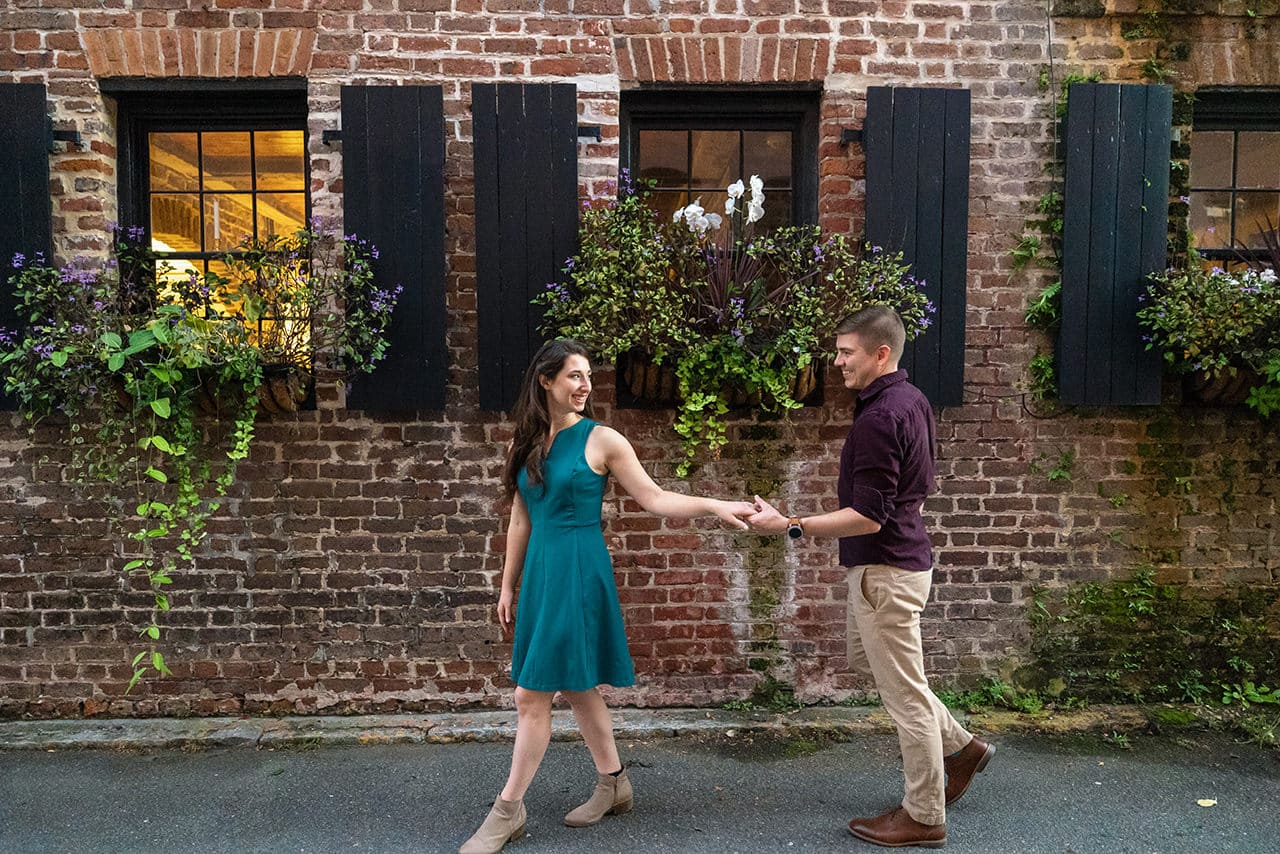
Why Work with a Local Charleston Photographer
Bloom timing isn’t calendar-based—it’s climate-based. Only locals recognize the subtle cues (temperature shifts, humidity changes, microclimates) that predict exact peak bloom windows—saving you from arriving a week too early or too late.
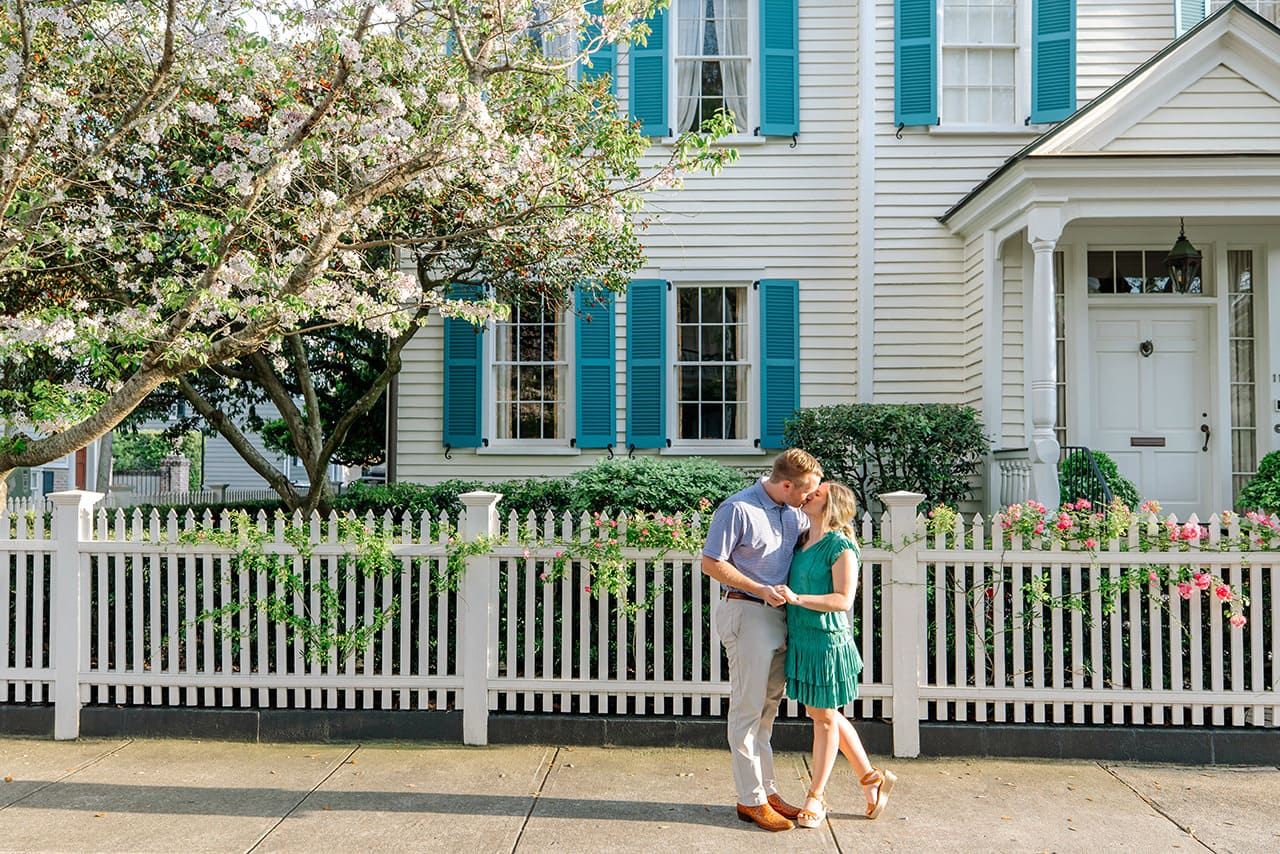
Microclimate mastery matters. Gardens south of Broad Street bloom 4–7 days earlier than West Ashley due to urban heat and maritime effects. Locals know where to shoot today for optimal color.
Access to hidden beauty. The most photogenic camellias and wisteria often grace private gardens. Established community relationships—not permits—unlock respectful access to authentic Charleston backdrops.
Weather intuition beats forecasts. We read passing showers, morning fog, and tidal patterns to predict golden-hour magic: glistening petals after rain, dramatic skies behind crepe myrtles, or soft light filtering through live oaks.
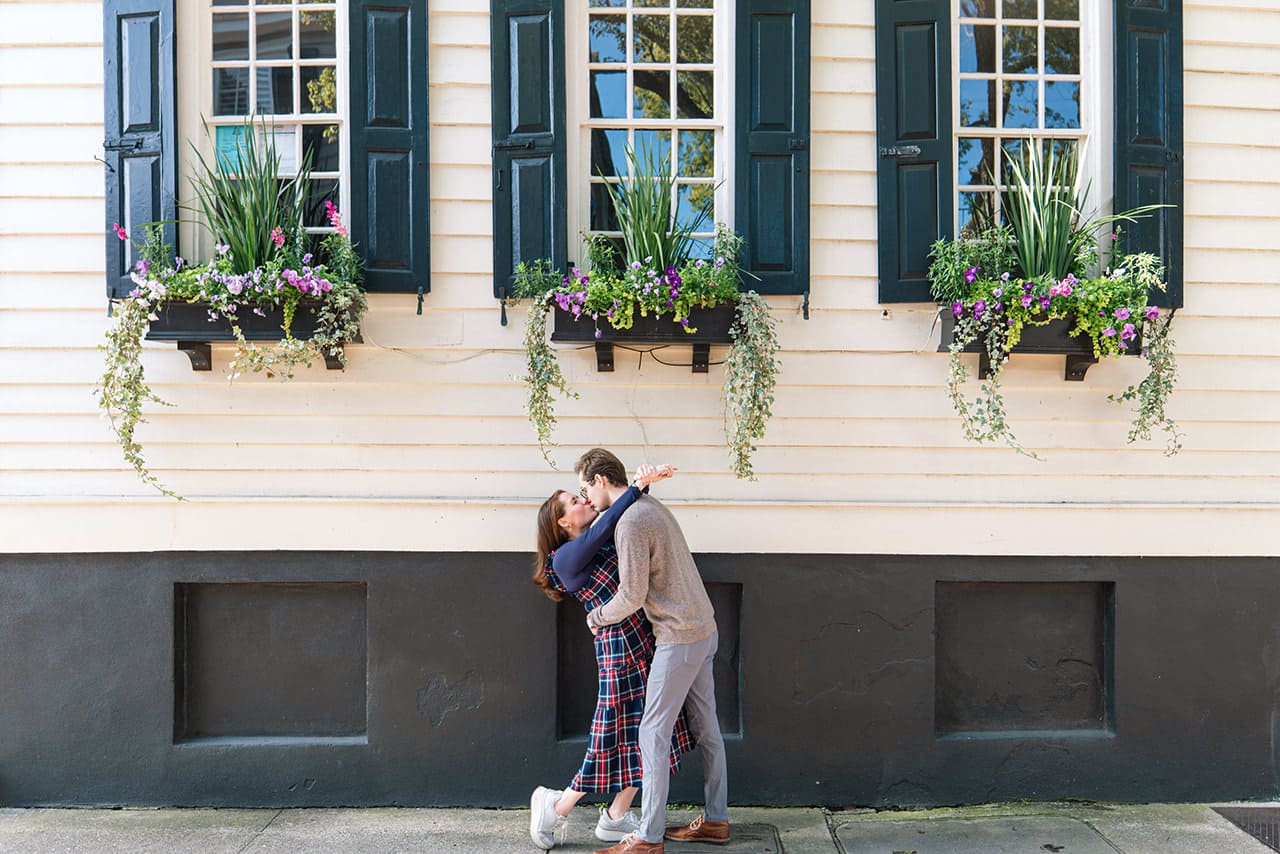
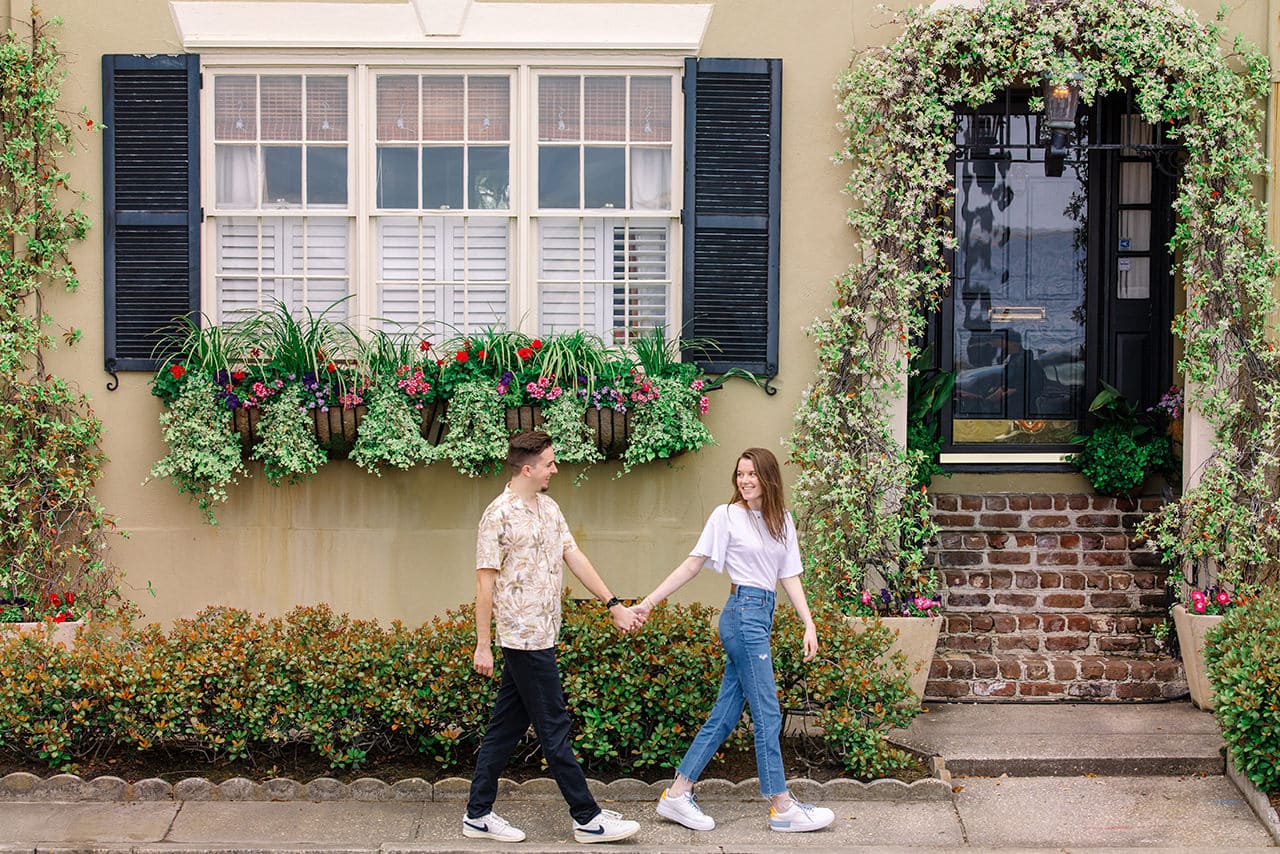
Context transforms composition. Locals frame flowers within Charleston’s story—jessamine against tabby walls, gardenias beside sweetgrass artisans—creating imagery that feels genuinely Lowcountry, not generically “southern.”
Efficiency equals authenticity. Skip wasted travel days waiting for blooms. A local collaborator delivers perfectly timed shoots, rich storytelling, and visuals that resonate because they’re rooted in place—not just pretty flowers.
Final Thoughts
Charleston’s floral calendar isn’t just a gardening schedule—it’s a visual rhythm that defines our city’s character month by month. From camellias braving winter chill to crepe myrtles defying summer heat, each bloom tells a story of resilience and beauty. As photographers, we’re privileged to document this ever-changing tapestry. Keep this guide handy, stay flexible with timing, and let Charleston’s blossoms lead you to moments of genuine wonder behind the lens. After all, in a city where flowers bloom nearly year-round, every month offers a fresh opportunity to create something beautiful.